
















Independence for All - Mobility Aids That Support Safe, Confident Living
by Deborah Batchelor on Dec 01, 2025
Independence Shouldn’t Be Out of Reach: How Adaptive Equipment Helps Mobility-Impaired Australians Live With Confidence
Independence is something most of us don’t think twice about - getting out of bed, making a cup of tea, moving through our home or stepping outside to enjoy the sunshine. Yet for thousands of Australians living with mobility challenges, these everyday moments can quickly become obstacles. Tasks that once felt simple can start to feel overwhelming, time-consuming, or even unsafe. And for many, losing independence can be more emotionally difficult than the physical challenges themselves.
At Adaptive Equipment, we believe independence should never be out of reach. Everyone deserves to feel confident, capable, and in control of their day - no matter their age, diagnosis, or level of mobility. With the right supports in place, people living with mobility impairments can maintain freedom, reconnect with meaningful activities and experience the comfort and security of living life on their own terms.
Our wide range of Mobility Aids has been carefully selected to ease daily struggles, restore autonomy, and offer genuine peace of mind for both users and caregivers. From walkers and wheelchairs to lift recliners, electric scooters and simple home aids, each product has one purpose: to make life easier, safer and more enjoyable.
This blog explores why independence matters, the challenges faced by mobility-impaired individuals, and how the right Mobility Equipment can rebuild confidence and improve quality of life in profound and lasting ways.
Why Independence Matters More Than We Realise
Independence isn’t just about doing things without assistance. It’s deeply tied to a person’s identity, dignity and overall wellbeing. When mobility changes, people often report:
- Loss of confidence
- Reduced social participation
- Fear of falling or injuring themselves
- Emotional distress or frustration
- Feeling like a burden on family or carers
- Declining physical ability due to reduced movement
Maintaining independence helps preserve physical health, emotional resilience and mental wellbeing. It encourages activity, routine and participation - three pillars of a fulfilling life. When someone feels secure in moving around their home or community, everything from relationships to hobbies becomes more accessible again.
This is where mobility aids play a transformative role. They aren’t simply tools; they are enablers of freedom.
The Daily Realities of Mobility Challenges
Mobility-impaired individuals face a range of obstacles that can make day-to-day life difficult. Even minor challenges, when repeated throughout the day, can take a toll.
1. Difficulty With Daily Tasks
Getting dressed, bathing, preparing meals or simply moving from room to room can become exhausting or unsafe. Everyday routines that others complete in minutes may require extensive effort or assistance.
2. Increased Risk of Falls
Falls are one of the biggest health risks for older adults and those with mobility issues. Hazards in the home, unsteady balance, or reduced leg strength all increase the likelihood of a fall - which can have serious physical and emotional consequences.
3. Social Withdrawal
Many people start turning down outings or social invitations because moving around takes too much energy or causes discomfort. This isolation can lead to loneliness and declining mental health.
4. Reduced Physical Fitness
When it becomes harder to move around, activity levels drop, leading to muscle weakness, reduced balance and lower endurance. This can further decrease independence.
5. Emotional Stress on Both Users and Caregivers
Loved ones may constantly worry about safety, while users may feel guilty asking for help or frustrated by the limitations they face.
Adaptive Equipment’s mobility aids are designed to address these concerns head-on - simplifying movement, reducing risk and supporting a more active and confident lifestyle.
How the Right Mobility Aid Can Transform Everyday Life
Mobility Equipment isn’t just for people with severe disabilities or those in aged care. Anyone who finds daily movement difficult can benefit from supportive devices tailored to their needs.
Here’s how the right mobility aid can make a tremendous difference:
1. Maintain or Restore Independence
Mobility Aids empower people to do more on their own - whether it’s navigating the home, going to the shops, accessing community spaces or performing daily self-care tasks.
2. Improve Safety and Reduce Falls
Walkers, Rollators, Shower Commodes and Grab Rails create a safer environment. They offer support where it matters most and reduce unnecessary strain on the body.
3. Increase Confidence and Comfort
Knowing you have stable support can make users more willing to engage with life instead of feeling restricted. Confidence builds gradually but reliably.
4. Protect Long-Term Mobility
The more someone moves safely, the better their muscles, joints, and circulation function. Supportive aids encourage regular movement without exhaustion or pain.
5. Reduce Caregiver Stress
When users can independently manage certain tasks, caregivers experience less pressure and can provide support without burnout. It becomes a partnership rather than a full-time responsibility.
6. Enable Community Participation
Mobility scooters, wheelchairs, and walking aids open the door to outings, social events, and errands - helping users stay connected to their community.
7. Improve Mental and Emotional Wellbeing
Independence is empowering. When people regain control of their daily lives, their happiness, motivation and self-esteem rise significantly.
Mobility Aids That Make Independence Accessible for Everyone
Adaptive Equipment offers a wide selection of high-quality mobility aids designed to meet a range of needs, abilities, and preferences. Below are some of our most transformative categories, each chosen specifically to support safe, confident movement and enhance quality of life.
1. Walking Aids: Confidence With Every Step
Walking Aids are often the first step toward greater independence. They provide stability, reduce fall risk and help conserve energy.
Our range includes:
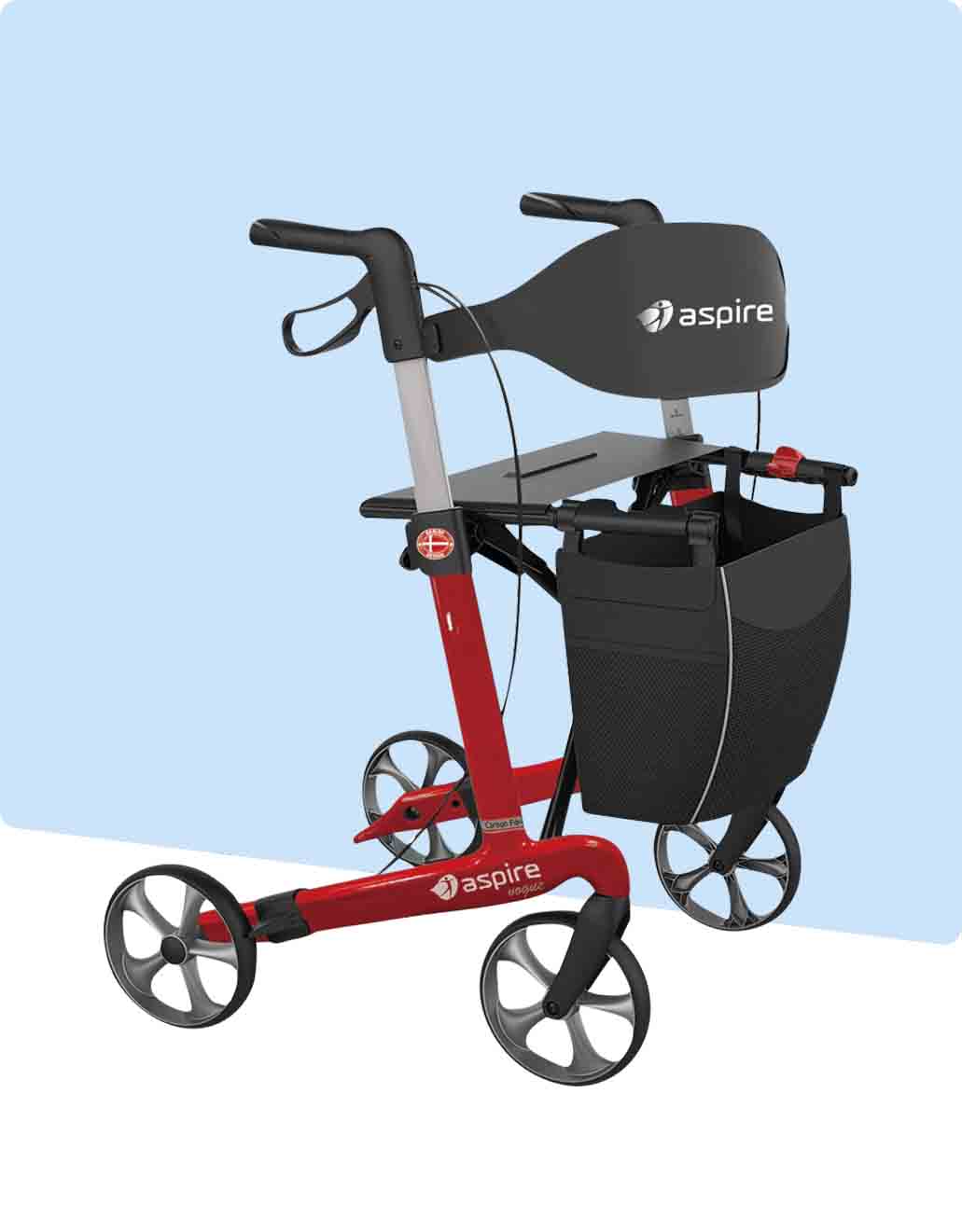
- Rollators and Walkers: Ideal for indoor and outdoor use; many feature seats, storage, and brakes.
- Mobility Walkers: Lightweight and easy to manoeuvre for those needing extra balance support.
- Canes and Sticks: Simple, portable, and incredibly effective for minor balance challenges.
These devices allow users to move at their own pace without fear of losing balance.
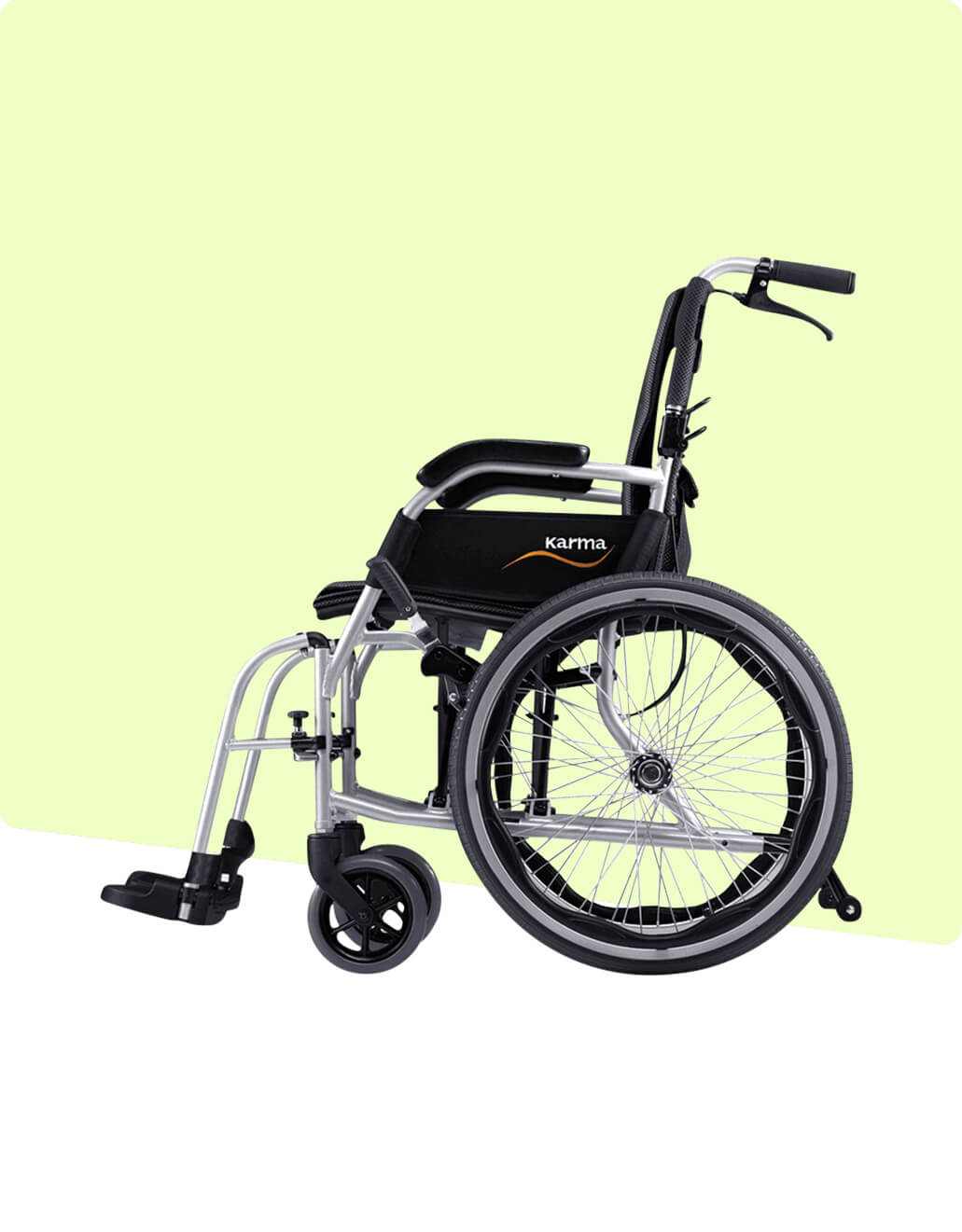
2. Wheelchairs: Designed for Comfort, Mobility, and Freedom
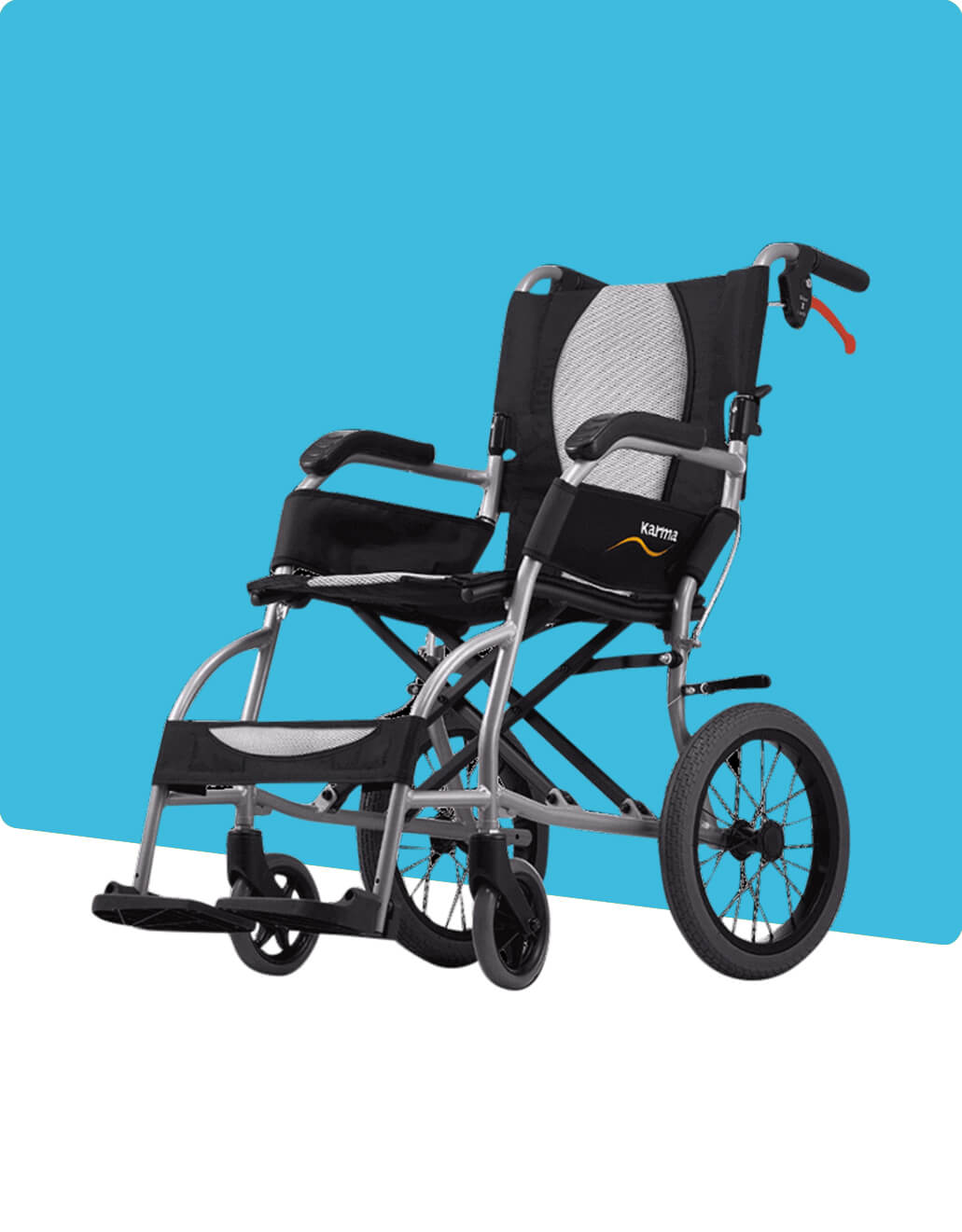
Wheelchairs offer reliable mobility for individuals with reduced walking ability. Adaptive Equipment supplies lightweight, ultra-portable and long-lasting options including:
- Transit chairs
- Self-propelled manual wheelchairs
- Lightweight travel wheelchairs
- Reclining comfort chairs
Many models prioritise ergonomic seating to reduce pressure, improve posture and enhance long-term comfort.
3. Mobility Scooters: Independence Beyond the Home
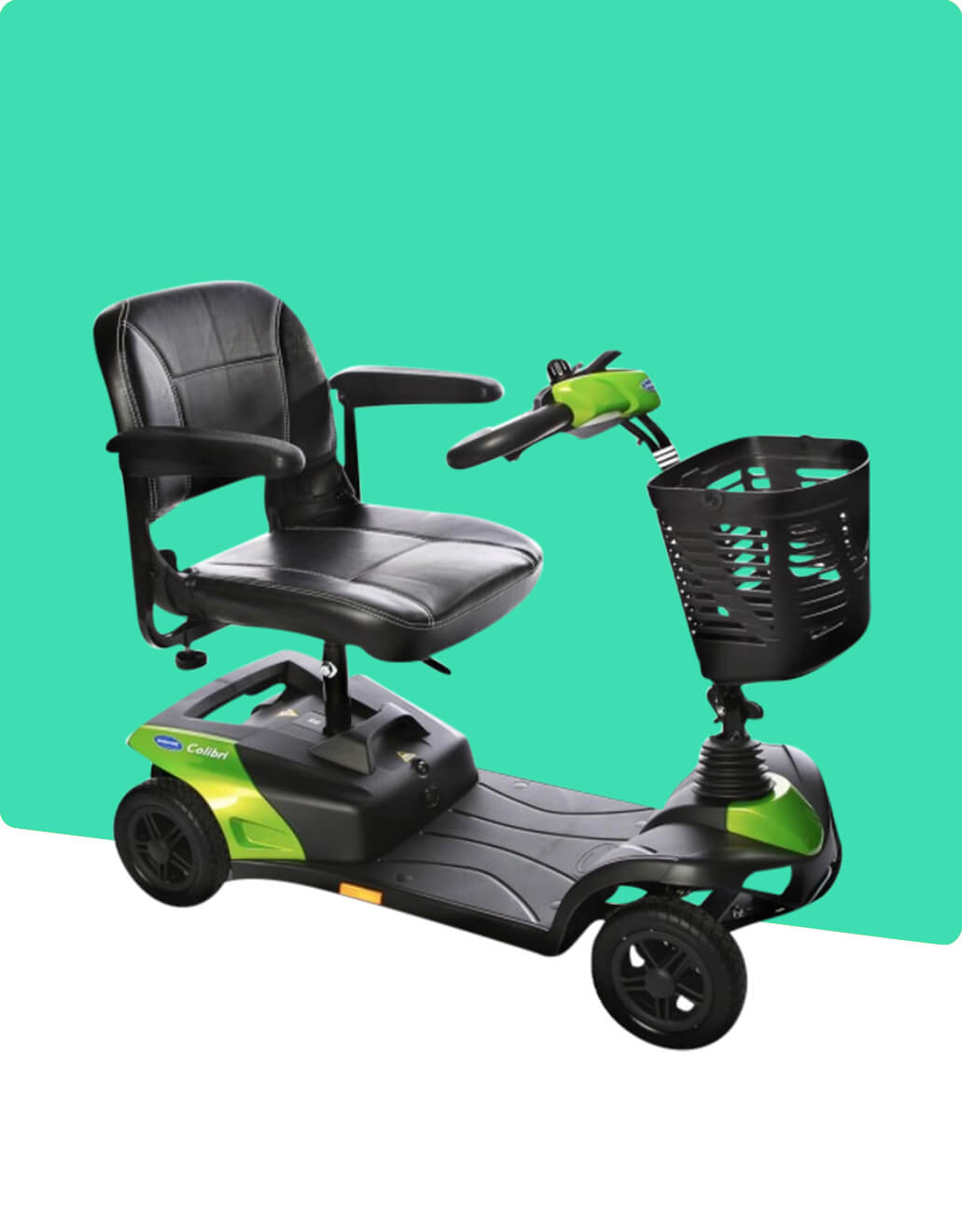
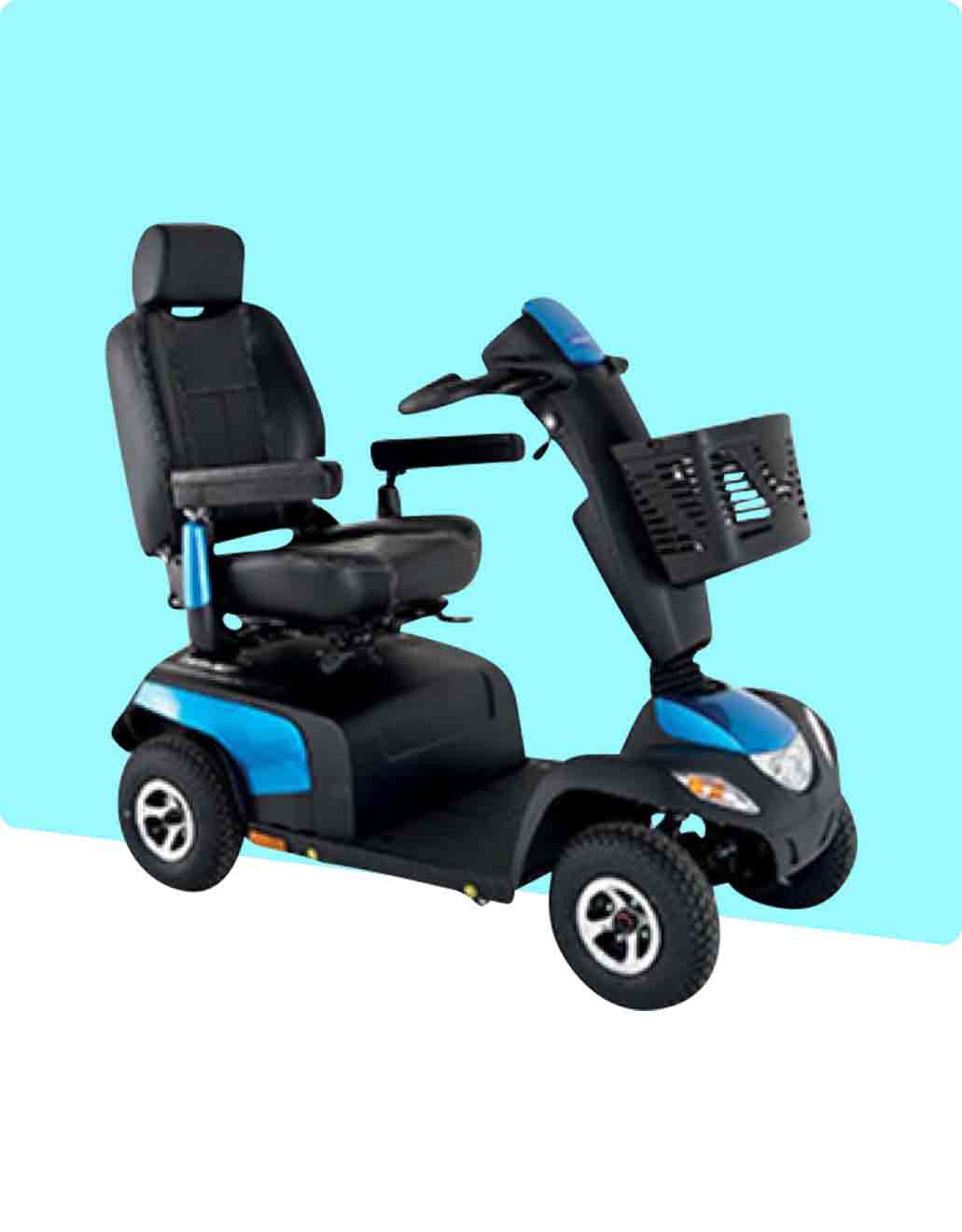
A mobility scooter opens up a world of freedom. Users can travel to the shops, visit friends or explore their neighbourhood without relying on others. Adaptive Equipment offers scooters built for:
- Urban errands
- Indoor manoeuvring
- Outdoor exploration
- Long-distance travel
With features like all-terrain tyres, comfortable seating and simple controls, they provide confidence for users - and peace of mind for caregivers.
4. Lift Recliners and Day Chairs: Comfort Meets Independence
Standing up from a deep chair can be one of the most difficult tasks for individuals with reduced strength. Lift Recliners gently raise the user to a standing position, minimising strain and supporting safer transfers.
Day chairs offer stability, height adjustability and comfort for daily use, helping users conserve energy and avoid unnecessary fatigue.
5. Bathroom Aids: Safety Where It Matters Most
The bathroom is a high-risk area for slips and falls. Adaptive Equipment provides a wide selection of aids to make washing and toileting safer, including:
- Shower commodes
- Over-toilet frames
- Grab rails
- Shower chairs
- Non-slip solutions
These devices transform the bathroom into a secure environment where users can manage personal care with confidence and dignity.
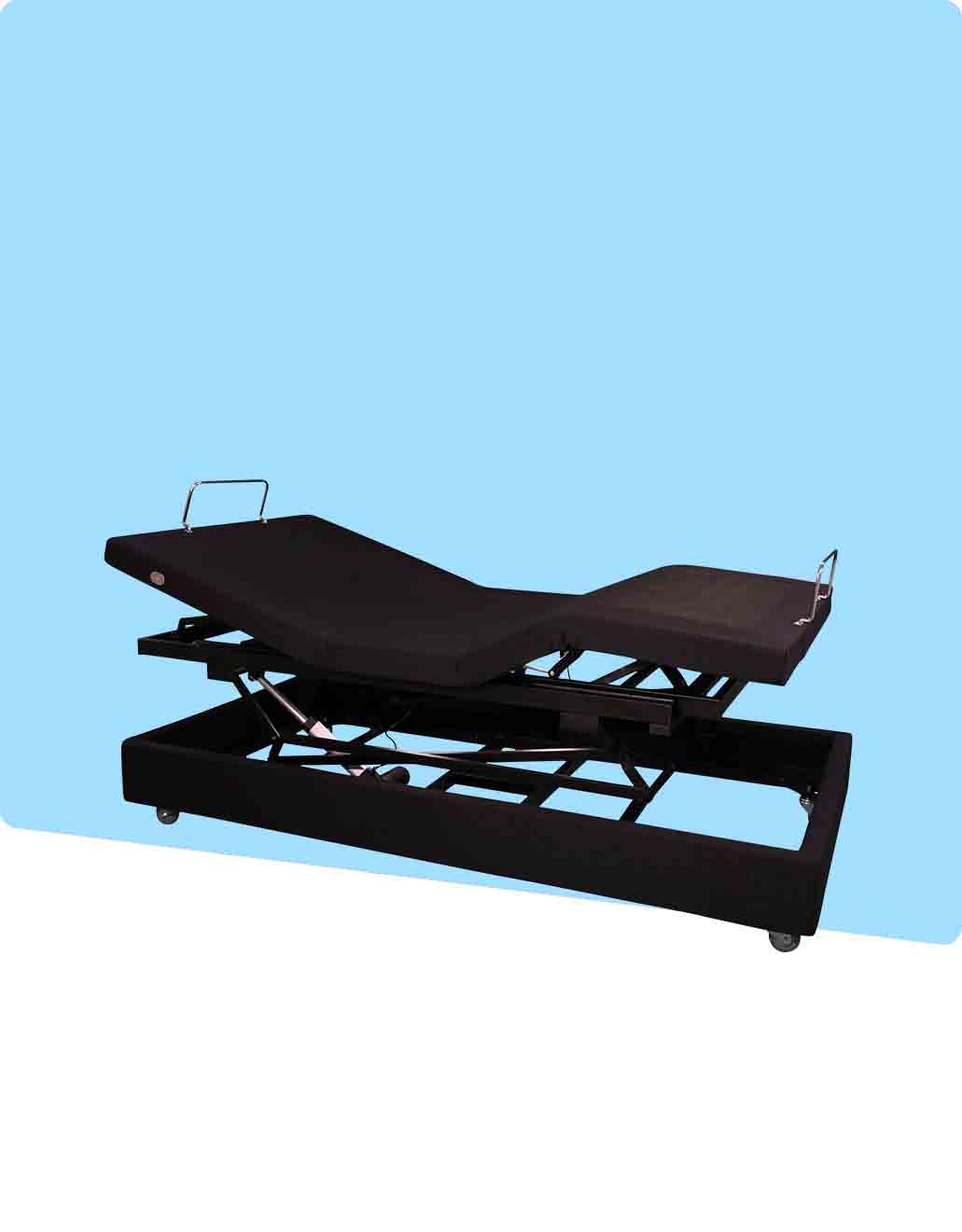
6. Bedroom and Transfer Aids: Restful Sleep and Safer Mornings
Getting in and out of bed, repositioning overnight or managing fatigue can be challenging. Our bedroom range includes:
- Over-bed tables
- Bed rails
- Transfer boards
- Electric adjustable beds
These tools enhance comfort and reduce the physical strain on both users and caregivers during transfers or repositioning.
7. Home and Daily Living Aids: Small Tools With Big Impact
Sometimes a simple tool makes the biggest difference. We offer:
- Dressing aids
- Reachers and grabbers
- Kitchen aids
- Car transfer aids
- Fall-prevention technology
These products support users in completing everyday tasks independently - from dressing to cooking to moving safely throughout the home.
How Adaptive Equipment Supports Both Users and Caregivers
While Adaptive Equipment's mission is to help mobility-impaired individuals regain control and confidence, we also understand the immense role caregivers play. Whether a caregiver is a partner, family member, friend or professional, having the right equipment lightens the load.
For caregivers, mobility aids offer:
- Reduced physical strain
- Less stress and worry
- Better communication and teamwork with the user
- Safer transfers and movement
- More opportunities to rest and recharge
For users, mobility aids offer:
- Dignity
- Autonomy
- Comfort
- Confidence
- Reconnection with meaningful activities
Together, these benefits improve relationships, reduce frustration and create a more positive daily living environment for everyone involved.
The Emotional Impact of Regaining Independence
Mobility Aids do more than support movement - they often restore hope.
Many users share that gaining independence feels like getting a part of themselves back. The shift can be profound:
- They begin leaving the house again.
- They rejoin social activities.
- They feel safe moving around the home alone.
- They reduce their reliance on family members.
- They participate in decisions and preferred routines again.
The sense of empowerment is priceless. Caregivers, too, often feel an enormous sense of relief knowing their loved one is safer, more comfortable and more capable of living independently.
Adaptive Equipment: Supporting Australians on Every Step of the Journey
We are committed to providing mobility aids that are:
- Safe
- High-quality
- Affordable
- Easy to use
- Clinically considered
- Backed by expert customer support
We take time to listen - understanding each person’s unique needs, goals, and frustrations. Our recommendations are tailored, not generic, because every individual deserves solutions suited to their lifestyle.
Whether it’s choosing the right walker, exploring scooter options, or identifying the best aids for home safety, Adaptive Equipment is here to guide the process.
No one should feel alone or overwhelmed when facing mobility challenges. Support is available - and the right equipment can make daily life immeasurably easier.
Independence Shouldn’t Be Out of Reach
Loss of mobility doesn’t have to mean loss of independence. With thoughtful support and the right tools, people can continue living the life they love - filled with purpose, comfort and connection.
At Adaptive Equipment, we believe:
- Everyone deserves to feel safe.
- Everyone deserves to move with confidence.
- Everyone deserves to maintain their independence, dignity and identity.


