
















What Daily Life Is Really Like Using a Mobility Scooter
by Deborah Batchelor on Mar 11, 2026
Mobility Scooters often get talked about in simple terms - convenience, independence, or getting around more easily. But what is daily life actually like when you rely on one?
The honest answer is: it’s a mix of practical adjustments, new routines and surprisingly liberating moments.
Many people assume a Mobility Scooters represents a loss of independence. In reality, for many Australians living with reduced mobility, arthritis, chronic illness, injury recovery or ageing-related challenges, it’s the opposite.
A Mobility Scooter can restore freedom that walking limitations gradually took away.
Trips to the shops become manageable again. Visiting friends feels possible. Even something as simple as enjoying fresh air in the park becomes easier.
But daily life with a Mobility Scooter also comes with learning curves - understanding battery range, navigating footpaths, planning transport and finding the right equipment.
This guide takes a realistic look at everyday life using a Mobility Scooter including the practical challenges, the unexpected benefits and how the right mobility equipment can make a meaningful difference.
A Mobility Scooter doesn’t replace your independence - it often gives it back.
Understanding Why People Use Mobility Scooters
Before exploring daily life with one, it’s helpful to understand why people start using Mobility Scooters in the first place.
Mobility changes gradually for many people. What begins as mild fatigue when walking longer distances can slowly evolve into significant limitations.
One of the most surprising aspects of using a Mobility Scooter is how quickly it becomes part of everyday routine. At first, people may feel unsure about steering, parking or navigating footpaths, but with a little practice those actions become automatic. Just like driving a car or riding a bike, confidence grows through regular use. Many new users say that after a few weeks, they hardly think about the scooter itself - they simply focus on where they want to go.
Common reasons Australians begin using Mobility Scooters include:
-
Arthritis or joint pain
-
Chronic fatigue conditions
-
Neurological disorders
-
Recovery after surgery
-
Reduced balance or fall risk
-
Limited walking endurance
-
Age-related mobility decline
Many people can still walk short distances, but struggle with longer outings like shopping centres, parks or community events.
In those situations, a Mobility Scooter becomes a practical mobility aid rather than a permanent replacement for walking.
The Emotional Side of Starting a Mobility Scooter
One topic that rarely gets discussed openly is the emotional adjustment.
Some people feel relief immediately. Others feel hesitant at first.
That’s completely normal.
Using any mobility equipment - whether it’s a walking stick, rollator walker, wheelchair or Mobility Scooter- can trigger feelings about ageing, independence or public perception.
But those feelings usually shift once the real benefits appear.
Another important part of daily life with a Mobility Scooter is learning how to manage energy levels. Many people who begin using mobility aids do so because walking long distances causes pain, fatigue or instability. A Mobility Scooter helps conserve energy so that important activities - like spending time with family, enjoying social events or running errands - remain achievable. Instead of using all their energy getting somewhere, users can save it for what really matters once they arrive.
Common early concerns include
-
“Will people stare at me?”
-
“Am I giving up walking?”
-
“Is this only for older people?”
-
“Will it make me less active?”
In reality, many people discover the opposite happens.
Instead of staying home due to fatigue or pain, they start going out more.
Most people don’t realise how much their world has shrunk until something gives it back.
A Typical Day Using a Mobility Scooter
Daily life with a Mobility Scooter often becomes surprisingly routine.
Just like driving a car or riding a bicycle, it becomes second nature.
Weather can also influence how people use their mobility equipment day to day. On sunny days, Mobility Scooters make it easy to spend time outdoors visiting parks, local shops or waterfront areas. During rainy weather, some users plan shorter outings or bring protective covers to keep controls dry. Planning around weather conditions becomes a normal part of scooter ownership and helps ensure both comfort and safety while travelling.
Here’s what an average day might involve.
Morning: Charging and Planning
Most Mobility Scooters are charged overnight.
In the morning, users usually check:
-
Battery level
-
Tyre condition
-
Basket storage
-
Weather conditions
Modern Mobility Scooters typically provide between 15 km and 40 km of range, depending on the model.
For short local trips - shops, pharmacies, cafés - charging once every day or two is often sufficient.
Midday: Local Errands
This is where Mobility Scooters shine.
Many people use them for everyday tasks like:
-
Grocery shopping
-
Visiting the pharmacy
-
Going to appointments
-
Meeting friends for coffee
-
Walking the dog in parks
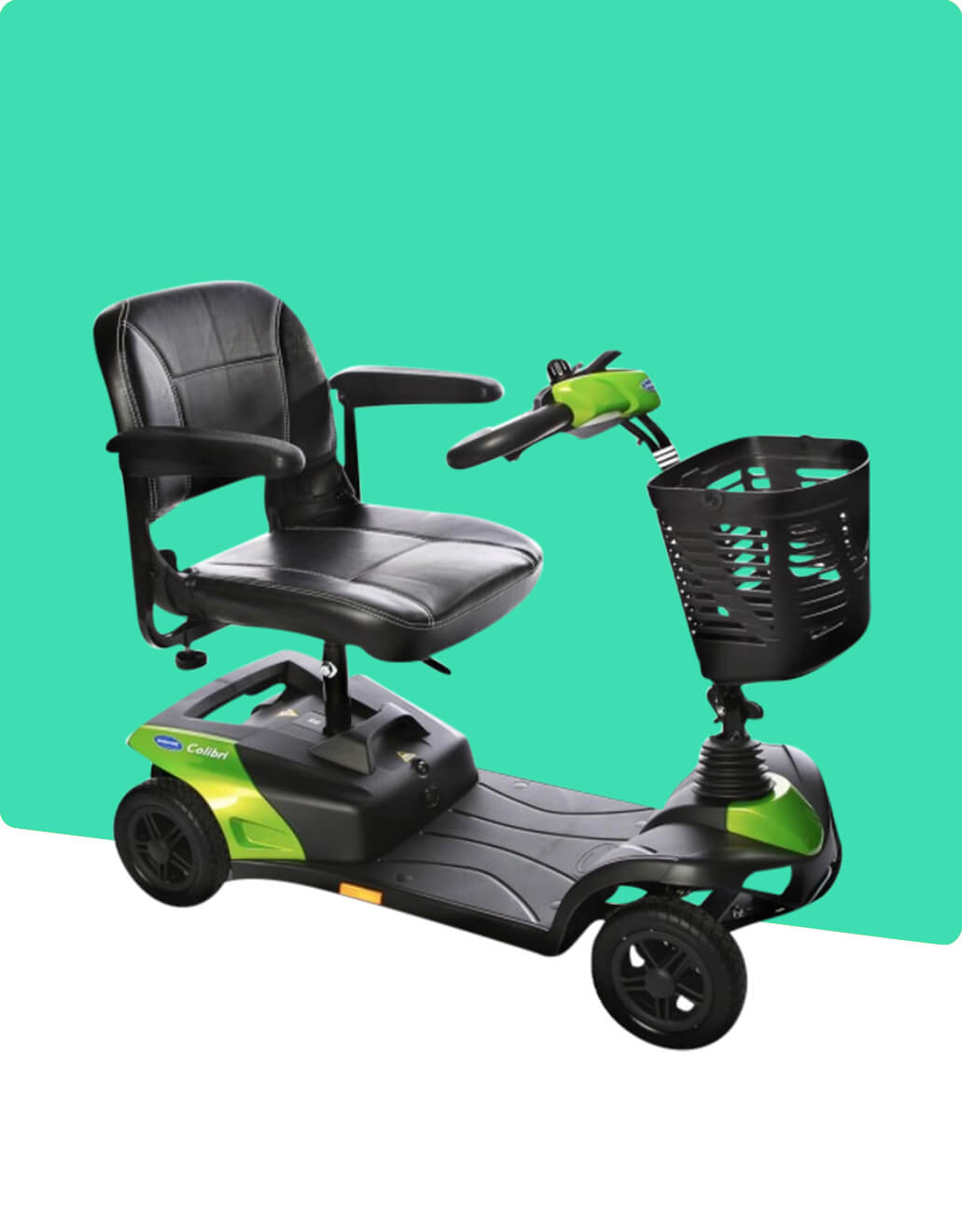
Mobility Scooters designed for urban environments offer:
-
Tight turning circles
-
Adjustable speed controls
-
Comfortable seating
-
Easy steering
These features make them suitable for footpaths and shopping centres.
Afternoon: Social Activities
One of the biggest lifestyle changes people notice is the return of spontaneous outings.
Instead of worrying about fatigue halfway through a walk, scooter users can comfortably travel further distances.
Common activities include:
-
Community events
-
Visiting family
-
Park outings
-
Local markets
-
Outdoor cafés
For many users, this increased social participation has a noticeable impact on wellbeing.
Mobility is about more than movement - it’s about connection.
Learning to Navigate the Community
Using a Mobility Scooter around town does require some practical awareness.
Australian footpaths, shopping centres and transport systems are generally accessible, but conditions vary between areas.
New users often learn strategies such as:
Choosing Accessible Routes
-
Wide footpaths
-
Ramped crossings
-
Pedestrian-friendly areas
-
Shopping centres with lifts
Avoiding Busy Periods
Travelling during quieter hours can make navigation easier.
Checking Local Council Guidelines
Many councils provide advice on Mobility Scooter use and safety.
These simple habits quickly become routine.
How Mobility Scooters Compare to Other Mobility Aids
Mobility Scooters are just one part of the broader world of mobility equipment.
Different mobility aids serve different needs.
Walking Sticks
Best for mild balance issues.
Benefits:
-
Lightweight
-
Portable
-
Simple to use
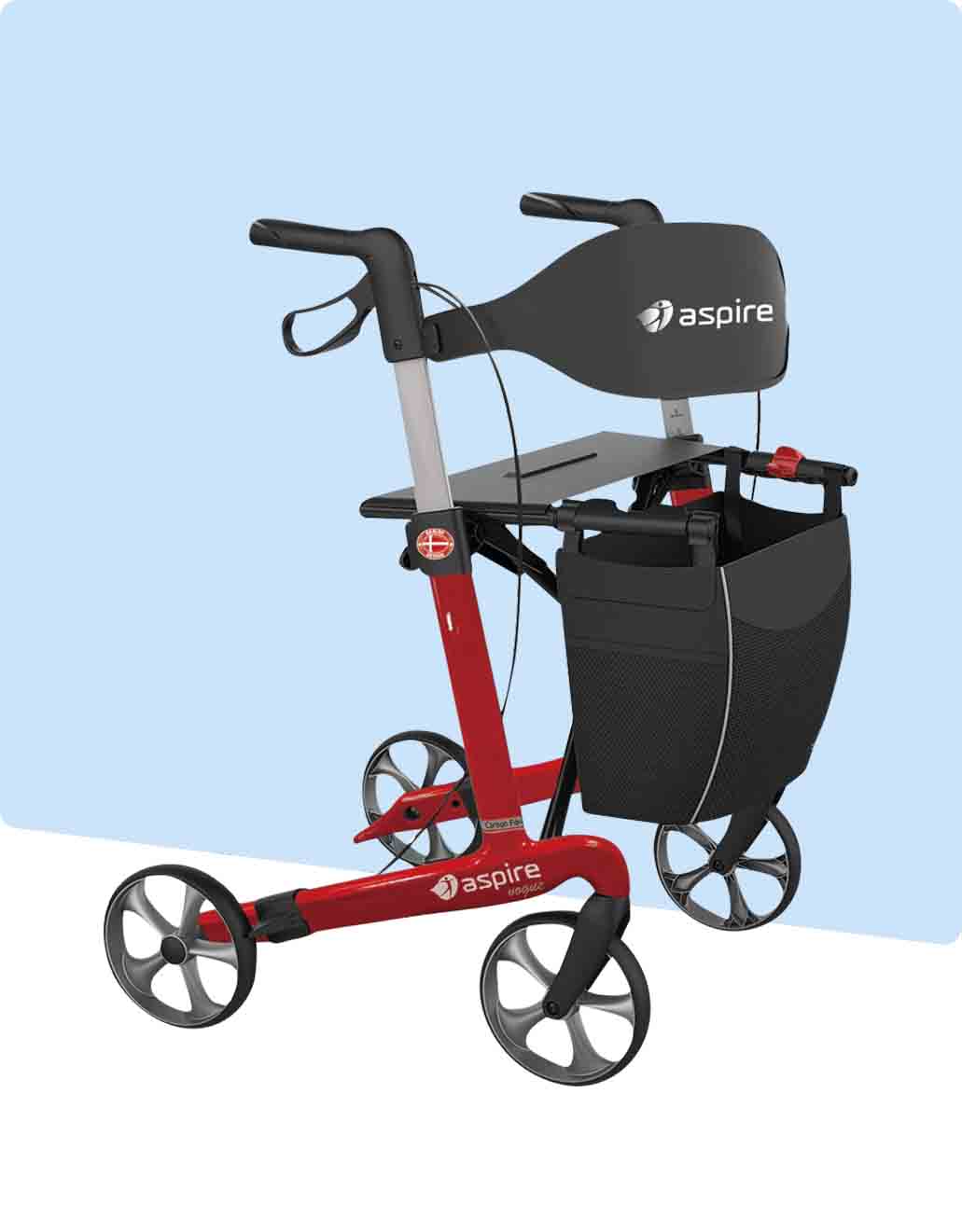
Rollator Walkers
Best for moderate mobility support.
Features include:
-
Four wheels
-
Hand brakes
-
Built-in seat
-
Storage basket
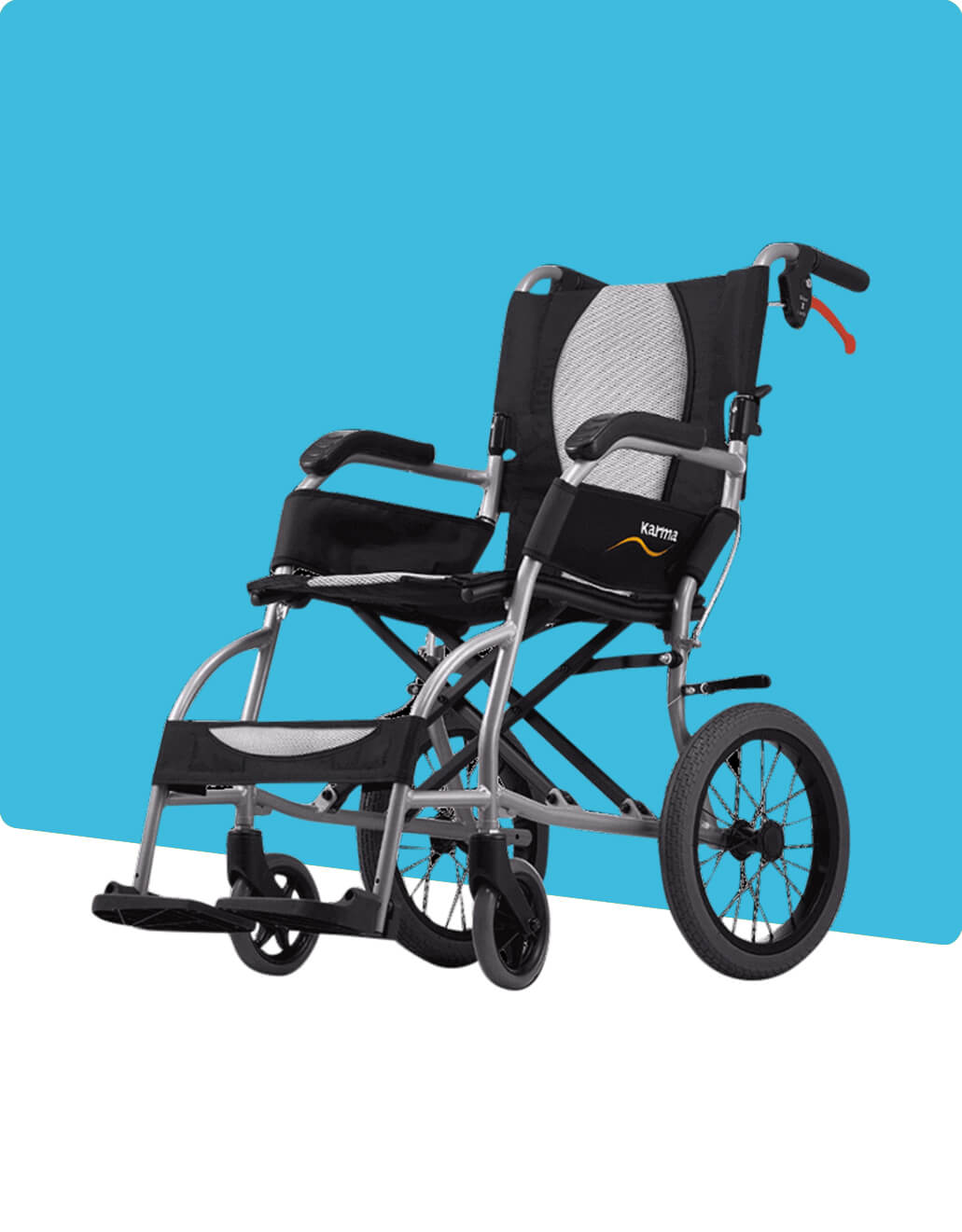
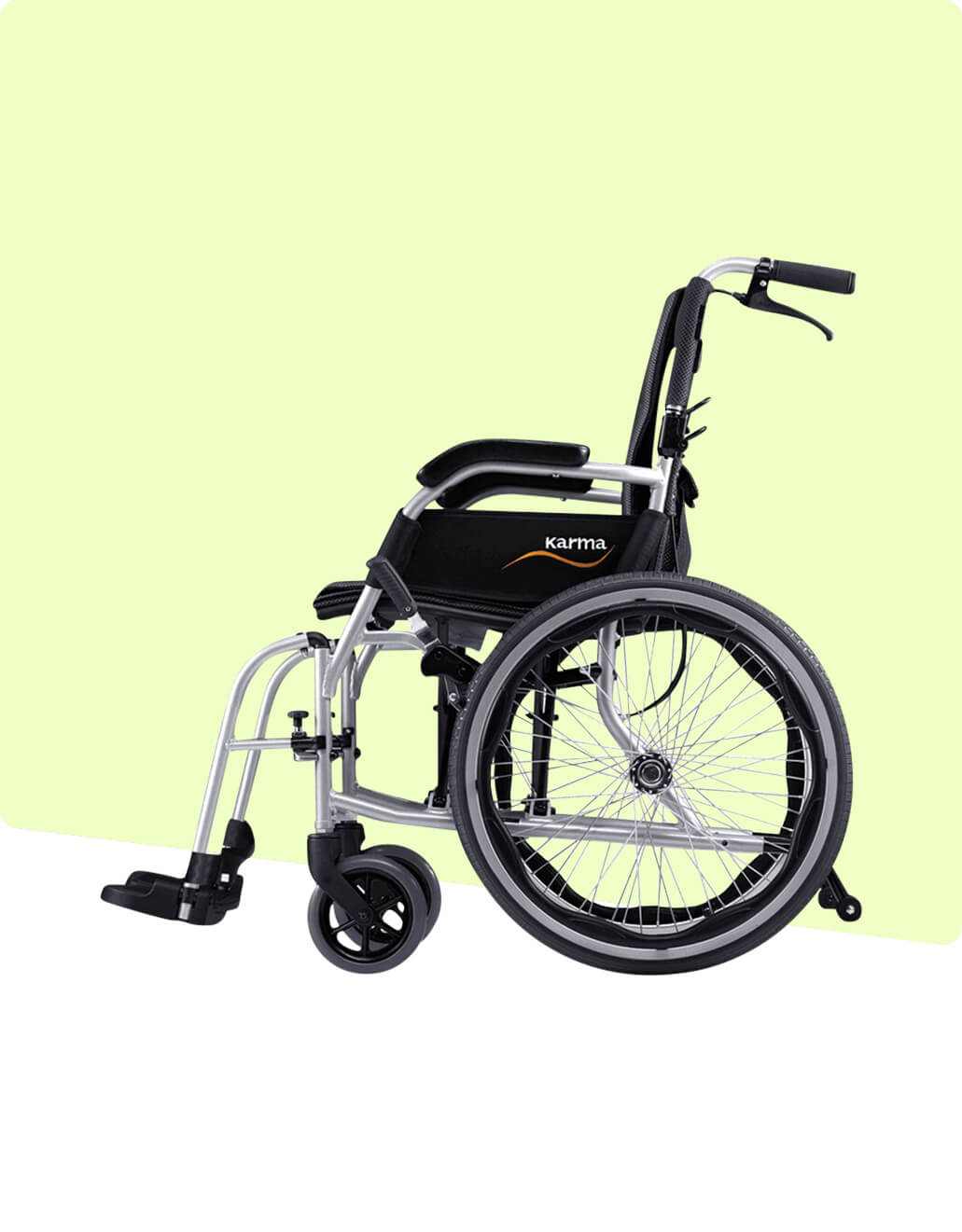
Wheelchairs
Used when walking is significantly limited.
Available in:
-
Manual wheelchairs
-
Power wheelchairs
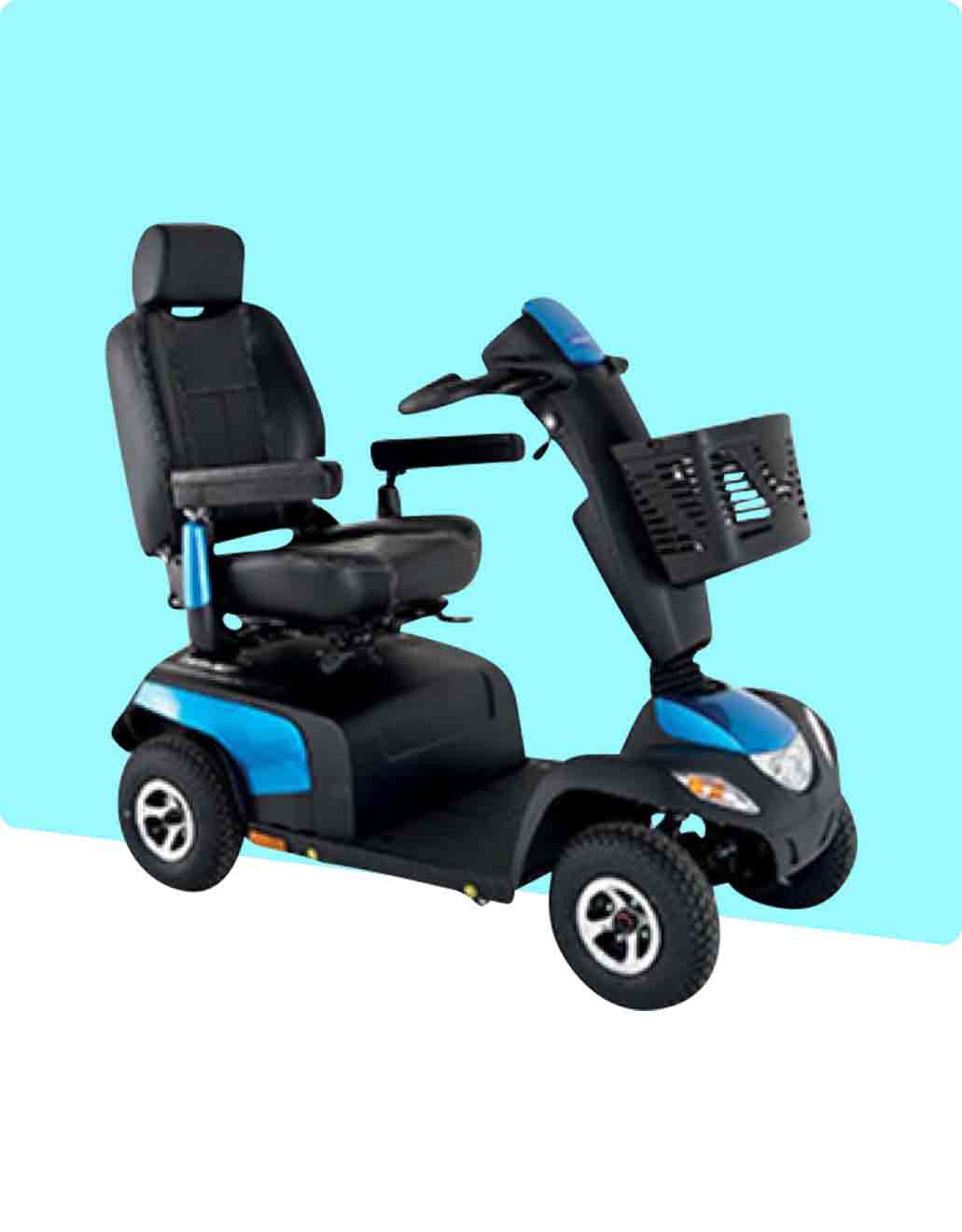
Mobility Scooters
Best for longer distances and outdoor travel.
Advantages include:
-
Reduced fatigue
-
Greater range
-
Comfortable seating
-
Storage capacity
Each mobility aid supports independence in different ways.
The Practical Side of Owning a Mobility Scooter
Daily life also involves practical considerations.
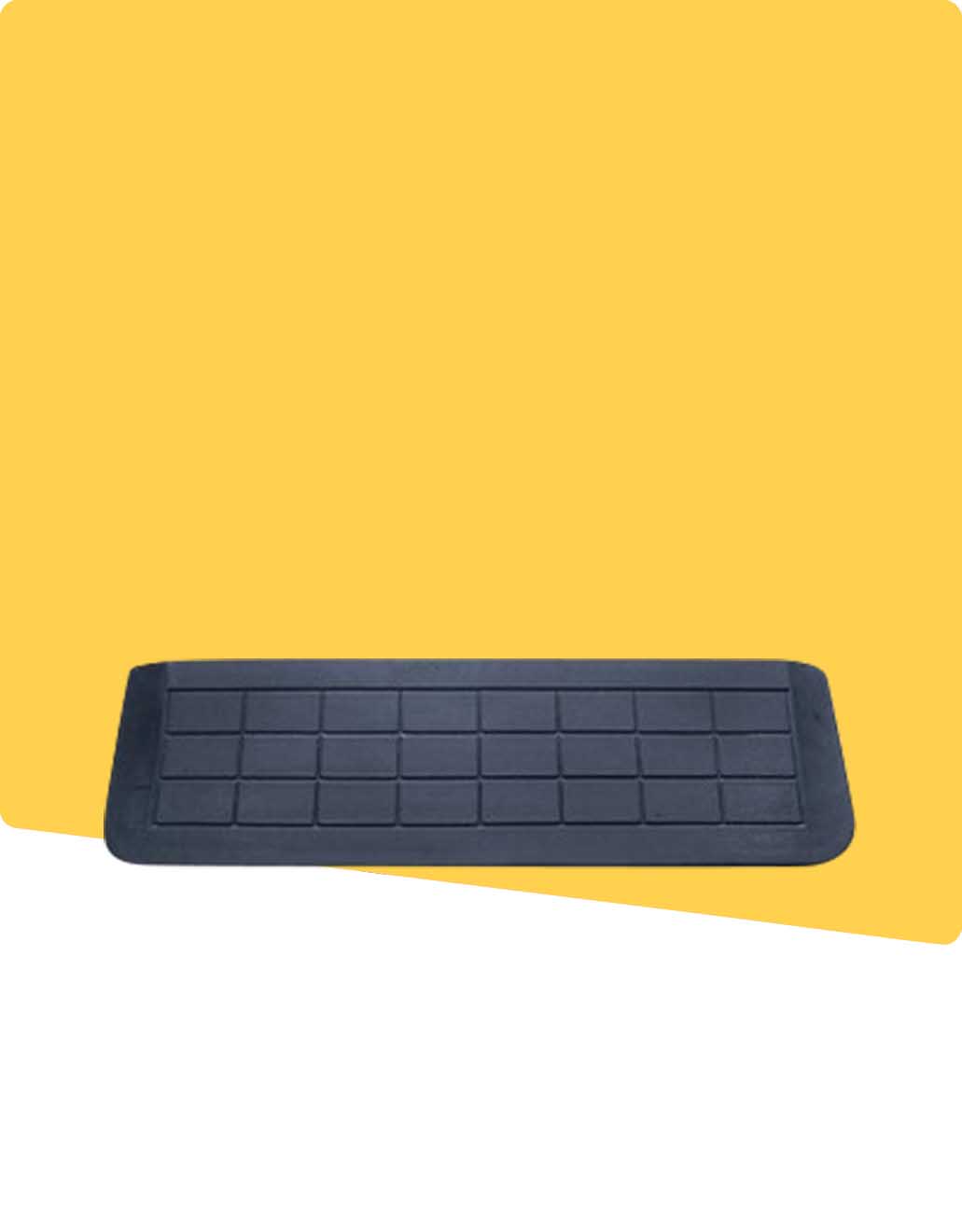
Storage and accessibility at home are another practical consideration. Many Mobility Scooter users designate a specific charging area in a garage, hallway or covered outdoor space. Having a convenient place to park and charge the Mobility Scooter overnight makes daily use far easier. Some people also install simple ramps or clear pathways to ensure smooth entry and exit from their home, which further improves independence.
Let’s talk about them honestly.
Storage
Mobility Scooters need secure storage.
Options include:
-
Garage
-
Covered outdoor area
-
Mobility scooter storage shed
Weather protection is important for battery life and electronics.
Charging
Most Mobility Scooters plug into standard power outlets.
Charging usually takes 6-8 hours.
Some users top up batteries during the day if they travel frequently.
Maintenance
Routine maintenance helps extend scooter life.
Common checks include:
-
Battery condition
-
Tyre wear
-
Brake function
-
Control panel
Many mobility equipment suppliers offer servicing support.
Unexpected Benefits of Mobility Scooters
People often focus on mobility improvements, but there are other benefits too.
Reduced Pain
Less walking strain means:
-
Lower joint pressure
-
Reduced fatigue
-
Better energy management
Improved Mental Health
Greater independence often leads to:
-
Increased social engagement
-
Reduced isolation
-
Improved mood
More Outdoor Time
Fresh air and sunlight can have positive effects on wellbeing.
Common Misconceptions About Mobility Scooters
Community awareness is gradually improving as more people use mobility aids in public spaces. Shopping centres, parks and medical facilities increasingly design pathways and entrances with accessibility in mind. This means scooter users often find it easier to navigate places that may have felt challenging in the past. Accessible parking, wider entrances and lift access all contribute to creating a more inclusive environment for people using mobility equipment.
Let’s address a few myths.
“Using a Mobility Scooter makes you less active”
In reality, many people become more active socially.
They simply conserve energy for meaningful activities.
“ Mobility Scooters are only for elderly people”
People of many ages use mobility aids due to:
-
Disability
-
Injury
-
Chronic illness
-
Neurological conditions
Mobility equipment is about function, not age.
“They’re difficult to learn”
Most Mobility Scooters are extremely user-friendly.
Controls typically include:
-
Speed dial
-
Forward/reverse lever
-
Battery indicator
-
Braking system
Many new users feel comfortable within minutes.
Choosing the Right Mobility Scooter
Not all Mobility Scooters are the same.
Selecting the right model depends on lifestyle and mobility needs.
Important considerations include:
Range
How far do you need to travel?
Terrain
Will you travel mostly on:
-
Footpaths
-
Shopping centres
-
Parks
-
Uneven paths
Different Mobility Scooters suit different terrain.
Portability
Some Mobility Scooters disassemble for transport in a car boot.
Search phrase: portable mobility scooter Australia
Comfort
Key features include:
-
Adjustable seats
-
Suspension
-
Armrests
-
Ergonomic controls
Comfort matters for longer outings.
Mobility Scooters and Australian Accessibility
Australia has gradually improved accessibility standards.
Many public spaces now include:
-
Accessible pathways
-
Ramps
-
Accessible bathrooms
-
Lifts in shopping centres
Public transport accessibility continues improving across major cities.
However, infrastructure can vary by region.
Planning ahead still helps ensure smoother journeys.
Safety Tips for Mobility Scooter Users
Safety always matters.
Here are practical guidelines many experienced users follow.
Everyday Safety Tips
-
Drive at walking speed in crowded areas
-
Use lights in low visibility
-
Keep tyres properly inflated
-
Slow down on slopes
Crossing Roads
-
Use pedestrian crossings
-
Make eye contact with drivers
-
Allow extra time
Weather Awareness
Rain and slippery surfaces require extra caution.
Tips for First-Time Mobility Scooter Users
Starting something new can feel intimidating.
These tips help make the transition easier.
Start Somewhere Familiar
Practice in:
-
Quiet streets
-
Empty car parks
-
Local parks
Learn the Controls Slowly
Most scooters have adjustable speed settings.
Begin at the slowest speed.
Build Confidence Gradually
Short trips build comfort over time.
Supporting Someone Who Uses a Mobility Scooter
Family members and carers also play a role.
Helpful ways to support include:
-
Encouraging independence
-
Assisting with maintenance checks
-
Helping plan accessible routes
-
Avoiding overprotection
Respecting autonomy is important.
Independence doesn’t disappear with mobility changes - it simply adapts.
Why Quality Mobility Equipment Matters
Choosing reliable mobility equipment makes daily life easier and safer.
High-quality Mobility Scooters typically offer:
-
Better battery performance
-
Improved stability
-
Comfortable seating
-
Durable construction
Reputable suppliers also provide guidance and servicing support.
Adaptive Equipment offers a wide range of mobility aids and mobility equipment across Australia designed to support independence, comfort and confidence.
Frequently Asked Questions
Are Mobility Scooters legal on footpaths in Australia?
Yes. Mobility Scooters are generally permitted on footpaths provided they travel at safe speeds and follow pedestrian safety rules.
Do mobility scooters require registration?
Most personal Mobility Scooters do not require registration in Australia, though rules vary slightly by state.
How far can mobility scooters travel?
Depending on the model, many Mobility Scooters travel between 15 km and 40 km per charge.
Are mobility scooters covered by NDIS or aged care?
In some cases, mobility equipment may be funded through NDIS or aged care programs if it supports independence.
The Reality of Life With a Mobility Scooter
Daily life using a Mobility Scooter is not about replacing walking.
Perhaps most importantly, daily life with a mobility scooter often restores a sense of possibility. Tasks that once felt exhausting or overwhelming become manageable again. Visiting friends, attending appointments, enjoying local events or simply getting out of the house becomes part of normal life once more. For many people, the scooter itself fades into the background - what stands out instead is the return of freedom, independence and connection to the world around them.
It’s about extending possibility.
It allows people to:
-
Stay connected
-
Remain active in their communities
-
Conserve energy
-
Maintain independence
Yes, there are adjustments.
Yes, there are practical considerations.
But for many Australians, the trade-off is worth it.
Because mobility is not just about getting from one place to another.
It’s about maintaining freedom, dignity and participation in everyday life.
Mobility isn’t measured by steps - it’s measured by the life you’re still able to live.


