
















Regaining Confidence After a Fall | Mobility Aids Guide
by Deborah Batchelor on Feb 23, 2026
Regaining Confidence After a Fall
A fall can change more than your physical balance. It can shake your confidence, limit your independence and quietly reduce the things you once enjoyed doing without a second thought.
If you or someone you love has experienced a fall, you’ll know the feeling. The hesitation before standing. The careful steps. The constant “What if it happens again?”
Here’s the reassuring truth: confidence can be rebuilt. Strength can return. Independence can grow again - often with the right support, practical strategies and thoughtfully chosen mobility aids.
At Adaptive Equipment, we believe regaining confidence isn’t about rushing recovery. It’s about creating steady, safe progress - one supported step at a time.
A fall doesn’t define your future mobility - it simply marks a moment where extra support can make all the difference.
Regaining confidence after a fall also means learning to trust your environment again. Sometimes it’s not your body that feels uncertain - it’s the space around you. Hallways may seem narrower. Bathrooms may feel more hazardous. Outdoor paths may look uneven. Making small, practical home adjustments such as improved lighting, contrast edging on steps and removing clutter can immediately reduce anxiety. When your environment feels predictable and safe, your mind relaxes - and that mental shift is powerful.
Why Falls Affect More Than Just the Body
A fall is rarely “just a fall.”
Physically, there may be bruising, fractures or soreness. But emotionally, the impact can linger much longer.
The Hidden Impact of a Fall
After a fall, many people experience:
-
Fear of falling again
-
Reduced activity levels
-
Loss of independence
-
Avoidance of social outings
-
Anxiety when walking outdoors
-
Sleep disruption
This is sometimes referred to as 'post-fall syndrome' - where fear itself begins limiting movement.
Ironically, when we move less, muscles weaken. Balance reduces. Stiffness increases. And the risk of falling again can actually rise.
That’s why rebuilding confidence safely is so important.
Understanding Fall Risk in Older Adults
In Australia, falls are one of the leading causes of injury-related hospitalisations among older adults. But falls aren’t inevitable. Many are preventable.
Common Causes of Falls at Home
-
Poor lighting
-
Slippery bathroom floors
-
Loose rugs
-
Uneven pathways
-
Weak leg muscles
-
Reduced balance
-
Medication side effects
-
Inappropriate footwear
Recognising these risk factors is the first step toward prevention.
And here’s the good news: most of them can be addressed with practical changes and supportive equipment from Adaptive Equipment.
Rebuilding Confidence Step by Step
Recovery after a fall isn’t about 'bouncing back'. It’s about steady progress.
It’s also important to recognise that mobility needs can change gradually over time. What worked six months ago may not feel quite supportive enough today. That’s not failure - it’s simply part of ageing well. Upgrading from a standard walking stick to a quad cane, or from a basic frame to a rollator walker with a seat, can dramatically improve endurance and reduce fatigue. Many people report they actually walk more once they have the right support in place.
Let’s break it down into manageable steps.
Step 1: Address Physical Recovery
Before focusing on mobility aids, ensure any injuries are properly assessed by your GP or physiotherapist.
Targeted exercises can help rebuild:
-
Leg strength
-
Core stability
-
Joint flexibility
-
Balance coordination
Even simple seated exercises can make a difference.
Movement is medicine - when done safely and consistently.
Step 2: Make the Home Safer
Your home should feel secure, not stressful.
Small modifications can significantly reduce fall risk.
Bathroom Safety Improvements
The bathroom is one of the highest-risk areas.
Consider:
-
Non-slip shower mats
-
Grab rails near toilets and showers
-
Shower chairs for seated bathing
-
Toilet surround frames for added support
These small additions create confidence during everyday routines.
Bedroom and Living Areas
-
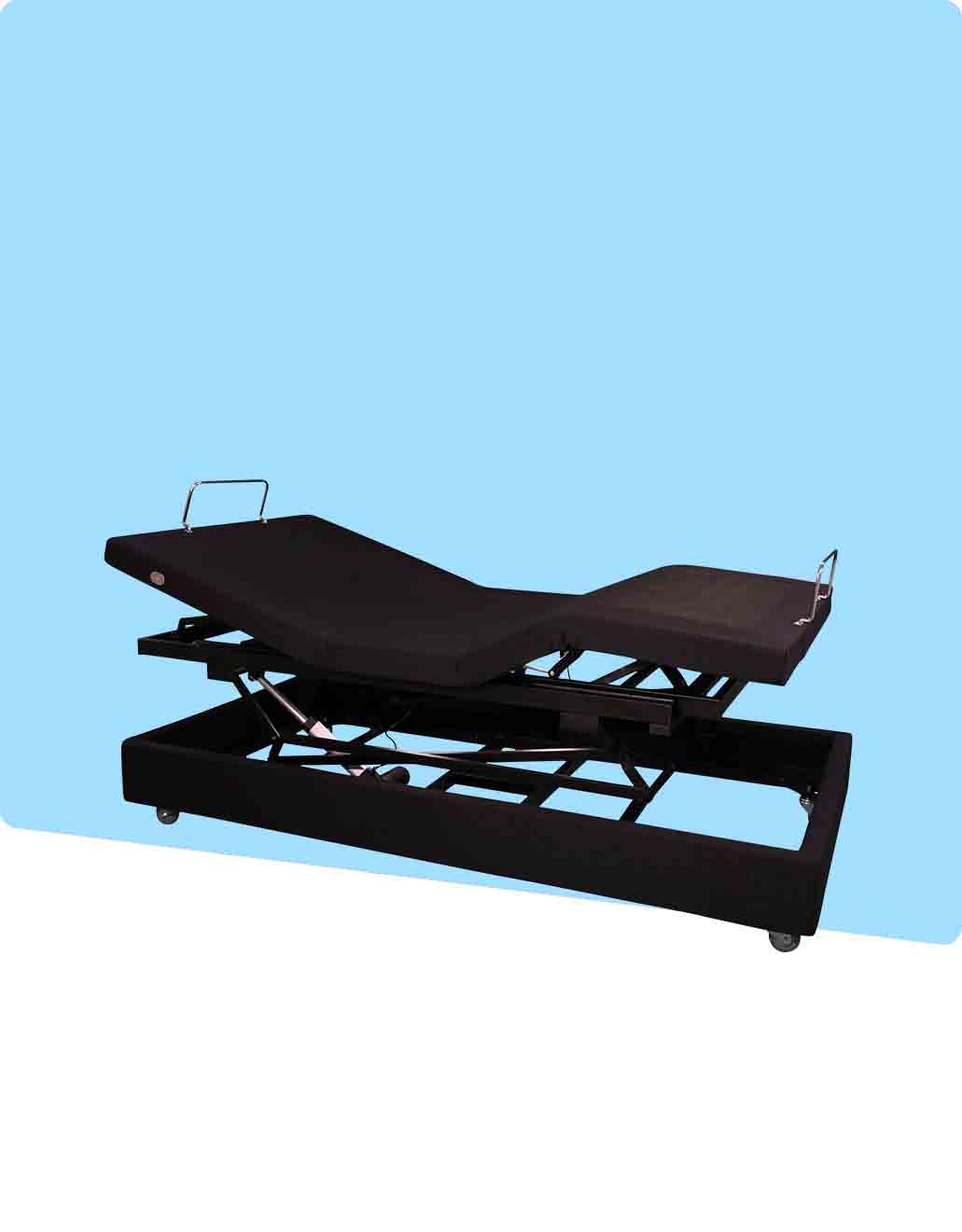
Bed rails for safe transfers
-
Overbed tables for stability
-
Non-slip floor mats
-
Clear walking pathways
Sometimes, simply rearranging furniture improves flow and safety.
Another often-overlooked factor is energy conservation. After a fall, fatigue can increase because your body is working harder to stabilise itself. A lightweight walking frame, ergonomic hand grips or a mobility scooter from Adaptive Equipment for longer outings can reduce strain and preserve energy for meaningful activities. The goal isn’t to limit movement - it’s to make movement sustainable. When you’re less exhausted, confidence naturally improves.
Choosing the Right Walking Aid After a Fall
One of the most powerful tools for regaining confidence is the right walking aid from Adaptive Equipment.
But choosing correctly matters.
Using a walking aid isn’t a sign of weakness. It’s a sign of smart, proactive independence.
The right support doesn’t limit you - it expands your world.
Types of Walking Aids Explained
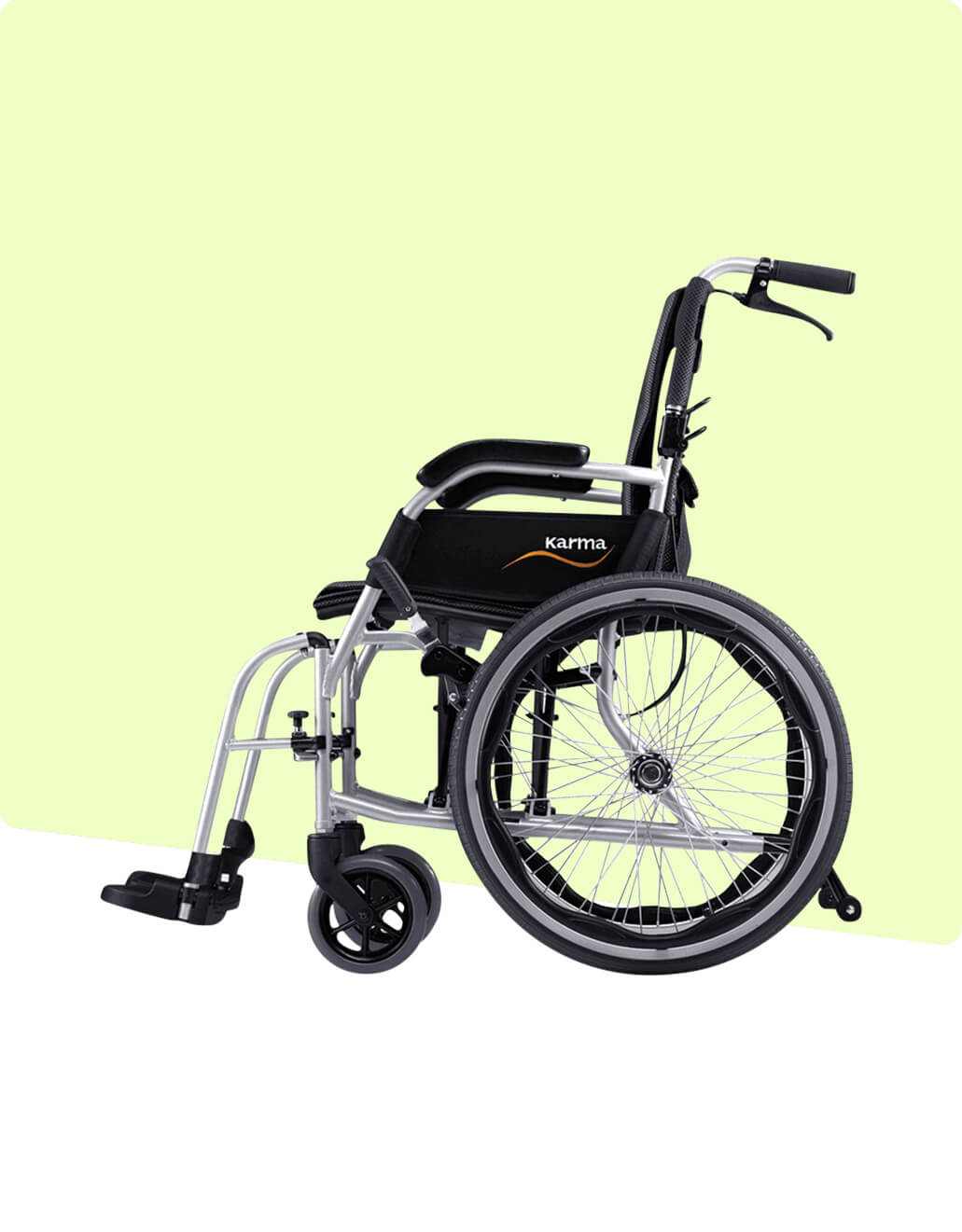
Adaptive Equipment offers a large range of mobility aids designed to support different levels of balance and strength.
Let’s explore the most common options.
1. Walking Sticks and Canes
Best for: Mild balance issues or slight weakness.
Benefits:
-
Lightweight and portable
-
Easy to use
-
Adjustable height options
-
Foldable designs for travel
A walking stick from Adaptive Equipment provides subtle support while maintaining independence.
Popular search term: best walking stick for balance support
2. Quad Canes
Best for: Extra stability needs.
Quad canes have a wider base for greater balance control.
Benefits:
-
Increased ground contact
-
Improved stability on uneven surfaces
-
Suitable for indoor and outdoor use
Search-friendly phrase: stable walking cane for elderly
3. Walking Frames
Best for: Moderate balance or strength challenges.
Walking frames provide four points of contact for maximum stability.
Types include:
-
Standard frames (lift and step)
-
Wheeled frames (front wheels for smoother movement)
-
Lightweight aluminium designs
Search term: walking frame for seniors at home
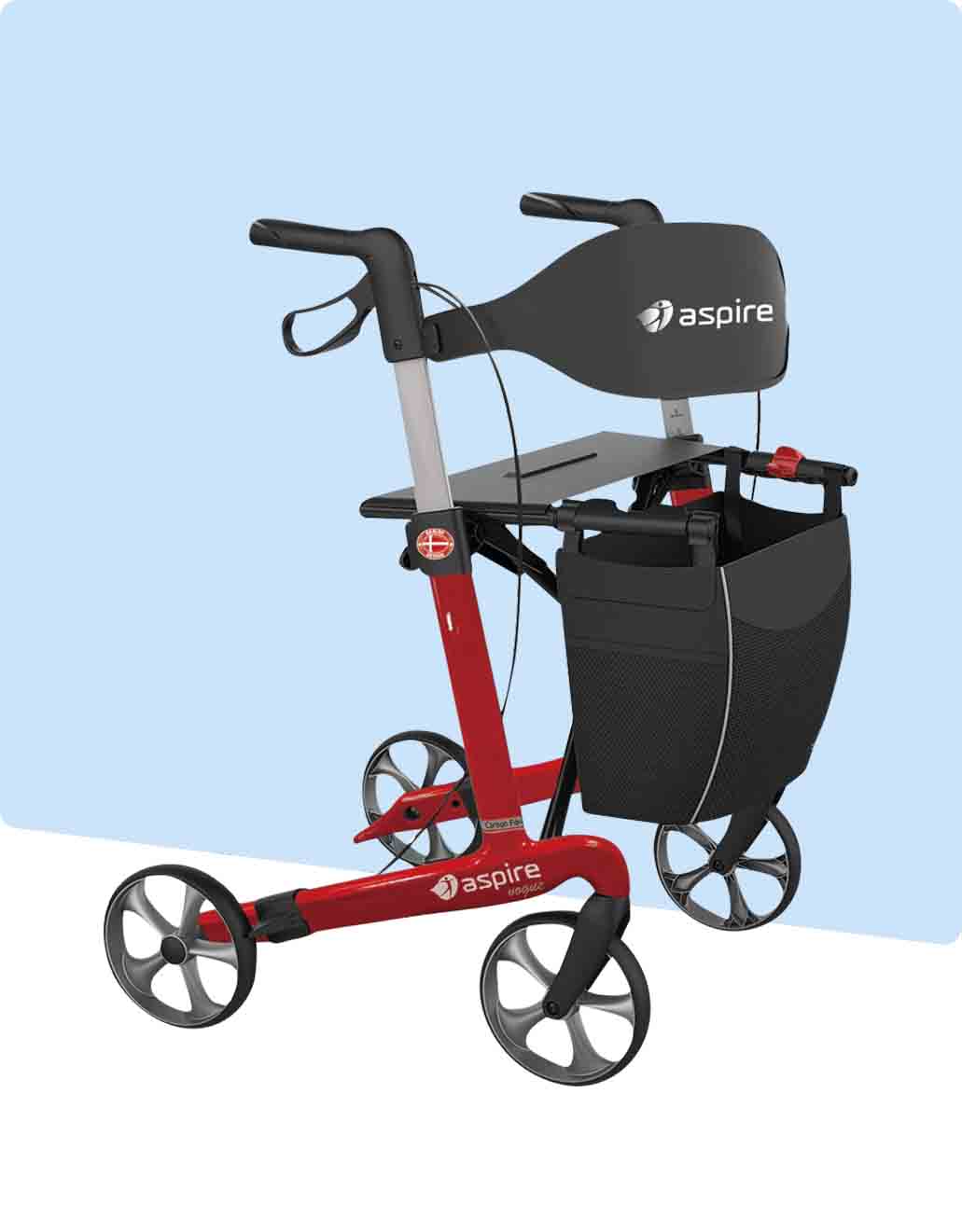
4. Rollators (Four-Wheel Walkers)
Best for: Those needing support but wanting mobility freedom.
Rollators typically include:
-
Four wheels
-
Hand brakes
-
Seat for resting
-
Storage basket
They are ideal for community outings and longer distances.
Search term: rollator walker with seat Australia
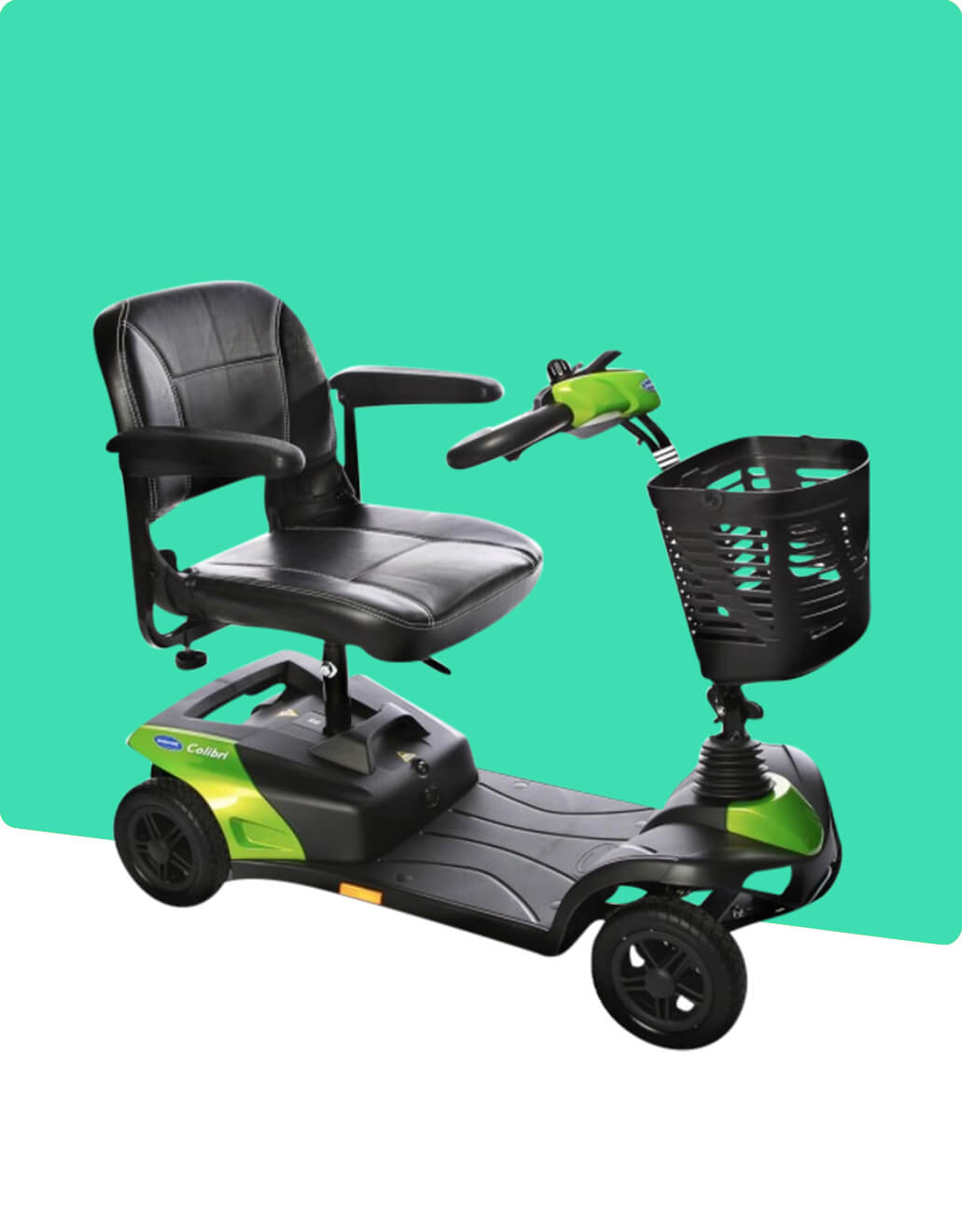
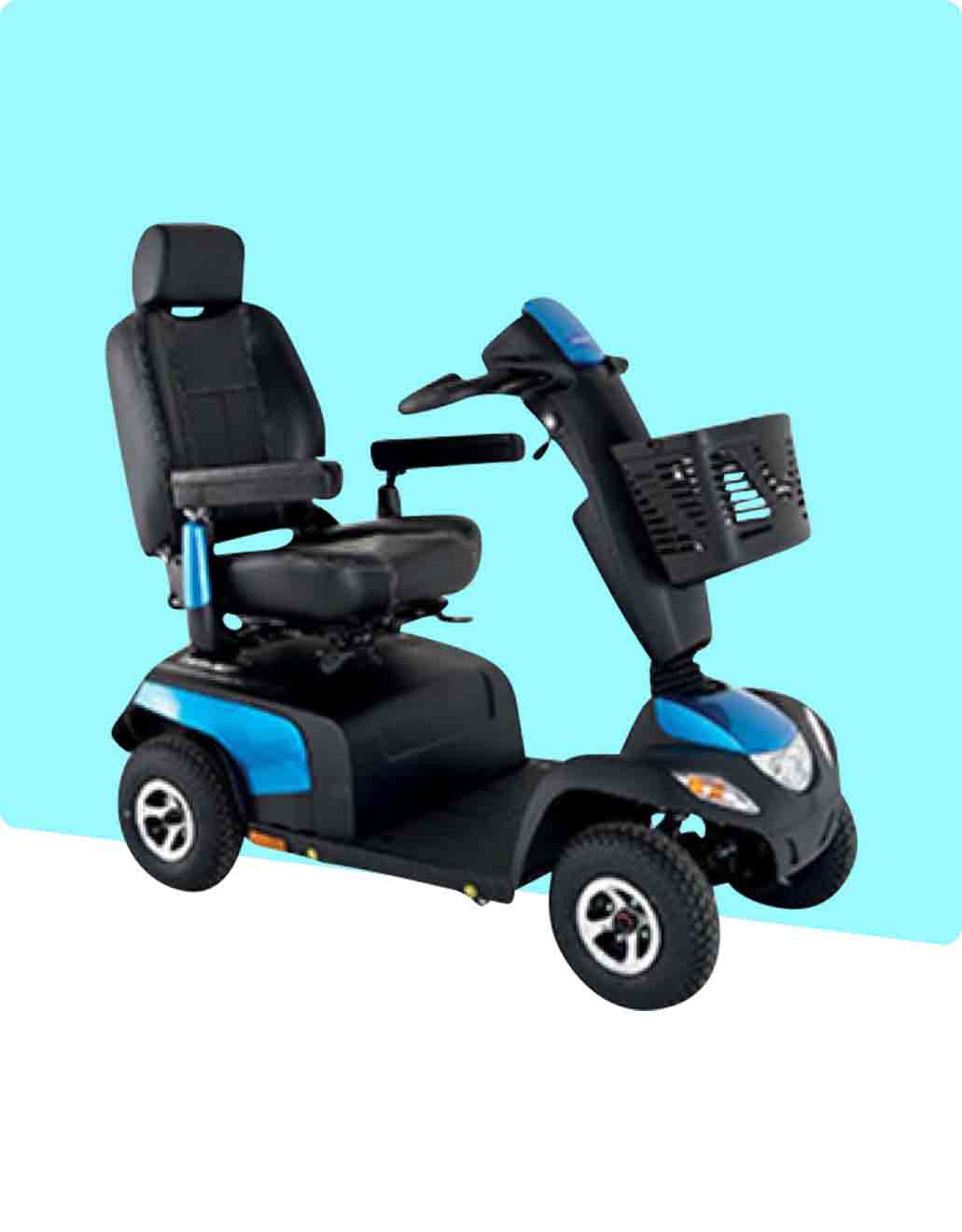
5. Mobility Scooters
For those who struggle with longer distances, a mobility scooter from Adaptive Equipment restores outdoor independence.
Search-friendly phrase: mobility scooter for seniors Australia
Benefits include:
-
Comfortable seating
-
Long battery life
-
Increased outdoor access
-
Adjustable speed control
How to Choose the Right Mobility Aid
Choosing a mobility aid should consider:
-
Current strength level
-
Indoor vs outdoor use
-
Storage space
-
Transport needs
-
Advice from a healthcare professional
It’s okay to trial options. Comfort and confidence matter most.
For those returning to community activities, planning ahead can ease anxiety. Choose locations with flat pathways, accessible parking, seating areas and accessible bathrooms. Bring your mobility aid even if you’re unsure you’ll need it - having it nearby creates reassurance. Many people find that simply knowing their rollator has a built-in seat provides enough peace of mind to enjoy longer outings without worry.
Common Questions After a Fall
“Will using a walking aid make me dependent?”
No. In fact, the opposite is often true. Proper support allows you to move more safely and confidently, preventing further decline.
“How do I know if I need a walker instead of a cane?”
If you feel unsteady even while using a cane, or if you need support on both sides, a walking frame may offer better stability.
“Are mobility aids covered under NDIS or aged care?”
Many mobility aids may be eligible depending on your plan. It’s worth speaking with your provider.
Preventing Future Falls
Regaining confidence includes reducing risk.
Here are practical strategies:
Strength and Balance Exercises
-
Sit-to-stand repetitions
-
Heel-to-toe walking practice
-
Gentle tai chi
-
Physiotherapy-guided programs
Search term: balance exercises for elderly at home
Regular Equipment Checks
-
Inspect ferrules (rubber tips)
-
Check brakes on rollators
-
Ensure scooter batteries are charged
-
Tighten loose screws
Small maintenance steps prevent larger issues.
Footwear Matters
Choose:
-
Non-slip soles
-
Supportive heels
-
Proper fit
Avoid loose slippers or worn-out shoes.
The Emotional Side of Recovery
Let’s talk honestly for a moment.
After a fall, some people withdraw. Social outings feel overwhelming. Walking outside feels risky.
That’s completely understandable.
But isolation can increase fear.
Gradual exposure - short walks, supported outings, supervised practice - rebuilds trust in your body.
Confidence grows when action replaces avoidance.
Family conversations can also make a meaningful difference. After a fall, loved ones sometimes become overly protective, which can unintentionally reduce independence. Open communication helps set balanced expectations. Express what feels supportive and what feels limiting. A collaborative approach - combining appropriate mobility equipment from Adaptive Equipment with encouragement - allows independence to grow safely rather than shrink.
Supporting a Loved One After a Fall
If you’re reading this as a carer or family member, your reassurance matters.
Ways to help:
-
Encourage independence, don’t overprotect
-
Offer support without taking over
-
Celebrate small progress
-
Attend physiotherapy appointments together
-
Help choose appropriate mobility aids
The goal is partnership, not control.
Why Quality Mobility Equipment Matters
Not all mobility aids are equal.
High-quality equipment offers:
-
Better durability
-
Enhanced safety features
-
Comfortable design
-
Adjustable settings
-
Reliable braking systems
Investing in the right equipment can prevent further falls.
Adaptive Equipment provides a carefully selected range of mobility aids in Australia, designed to support safe, confident movement at every stage of recovery.
Creating a Fall Prevention Plan
A personalised fall prevention plan may include:
-
GP review
-
Medication assessment
-
Vision check
-
Home safety audit
-
Strength training plan
-
Appropriate walking aid selection
Taking proactive steps restores control.
When to Consider Upgrading Your Mobility Aid
Signs it may be time to reassess:
-
Increased wobbling
-
Leaning heavily on one side
-
Fatigue when walking
-
Difficulty managing slopes
-
Frequent near-falls
Mobility needs change. Your equipment should adapt with you.
Frequently Asked Questions (SEO Optimised)
What is the best walking aid after a fall?
The best walking aid depends on your balance level. For mild instability, a cane may be sufficient. For moderate weakness, a walking frame or rollator offers greater support.
How can I regain confidence walking after a fall?
Start with physiotherapy, ensure your home is safe, and use an appropriate mobility aid. Gradual exposure to movement rebuilds confidence.
Are walking frames better than walking sticks?
Walking frames provide more stability because they offer four points of contact. They are often recommended for those with significant balance issues.
How do I prevent falls at home?
Improve lighting, remove trip hazards, install grab rails and use non-slip mats. Regular strength exercises also reduce fall risk.
Moving Forward With Confidence
A fall can feel like a setback.
But it can also be a turning point.
It can be the moment you:
-
Make your home safer
-
Strengthen your body
-
Choose supportive mobility aids
-
Regain independence
And yes - feel confident again.
At Adaptive Equipment, we understand that mobility isn’t just about movement. It’s about dignity, freedom and quality of life.
You deserve to feel steady. You deserve to feel safe. And you deserve to keep doing the things you love.
Confidence doesn’t return overnight - it returns one supported step at a time.
If you or someone you love is rebuilding after a fall, explore the large range of mobility aids available through Adaptive Equipment- designed to support balance, confidence and independence across Australia.
Finally, remember that rebuilding confidence is not a straight line. There will be good days and cautious days. That’s completely normal. Progress may look like walking to the letterbox without hesitation, standing a little taller or venturing out for coffee again. Each of these moments matters. With the right fall prevention strategies, supportive mobility aids and steady encouragement, independence doesn’t disappear after a fall - it evolves, becoming safer, smarter and more sustainable with Adaptive Equipment.


