

















Mobility Safety Tips: Using Aids on Public Transport and Around Town
by Deborah Batchelor on Mar 04, 2026
Mobility Safety Tips: How to Use Aids on Public Transport & Around Town
Practical advice, accessible travel tips and common mistakes to avoid - from Adaptive Equipment
Getting around town should feel empowering, not intimidating. Whether you use a Cane, Walker, Rollator, Wheelchair, Mobility Scooter or other assistive device, safe and confident travel is possible with the right preparation, techniques and mindset.
Public transport, busy streets, uneven pavements, shops, cafés, and community spaces weren’t always designed with accessibility in mind. That can make everyday journeys feel unpredictable. But with thoughtful planning and a few proven safety strategies, mobility aids can open doors rather than create barriers.
At Adaptive Equipment, we work closely with people who rely on mobility aids every day. We hear the real-world challenges - and the clever solutions - that don’t always appear in manuals or product descriptions. This guide brings together practical, experience-based advice to help you stay safe, independent and confident while navigating public transport and everyday environments.
Using a Mobility Aid on public transport and around town can feel daunting at first, but with the right preparation and support, it quickly becomes part of everyday life. Whether you use a walking stick, rollator, walking frame or mobility scooter, planning ahead builds confidence and reduces stress. Simple steps like checking transport accessibility in advance, travelling outside peak times, and allowing extra time for boarding can make outings smoother and more enjoyable. With thoughtful preparation, community access remains not only possible - but empowering.

Understanding Your Mobility Aid: Safety Starts with Fit and Familiarity
Before discussing buses, trains and pavements, it’s essential to start with the foundation: your mobility aid itself.
When using mobility aids on buses or trains, stability is key. Always apply brakes on rollators before sitting, keep walking frames positioned securely, and hold handrails whenever available. If you use a mobility scooter, ensure it meets public transport size guidelines and position it in designated accessible areas. Don’t hesitate to ask drivers or transport staff for assistance - they are trained to help. A calm, steady approach reduces the risk of slips or sudden imbalance during movement.
Ensure Proper Fit and Setup
A Mobility Aid that doesn’t fit your body correctly can increase fatigue, strain, and fall risk.
- Canes - should reach the crease of your wrist when standing upright
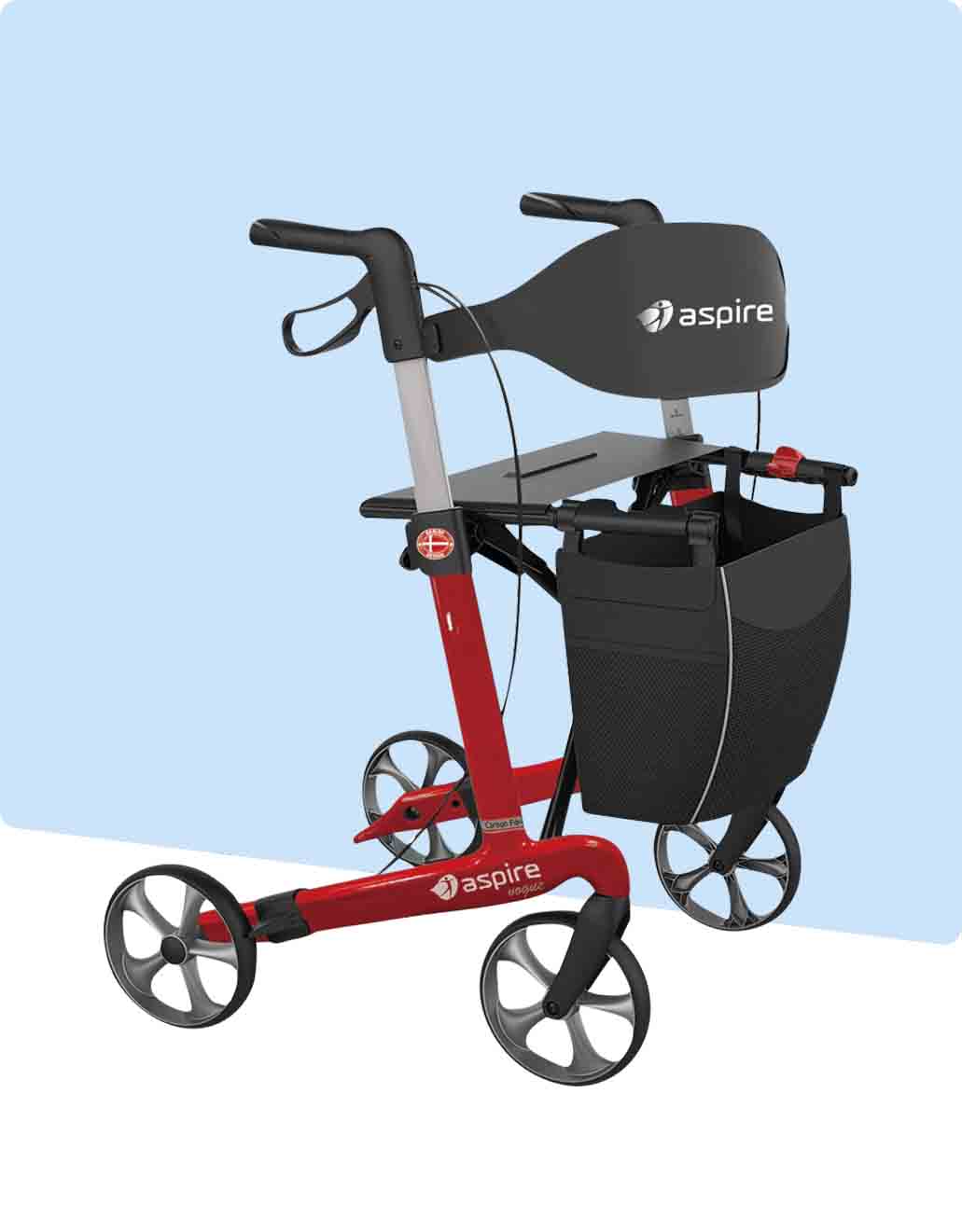
- Walkers and rollators - should allow your elbows to bend slightly (about 15–30 degrees)
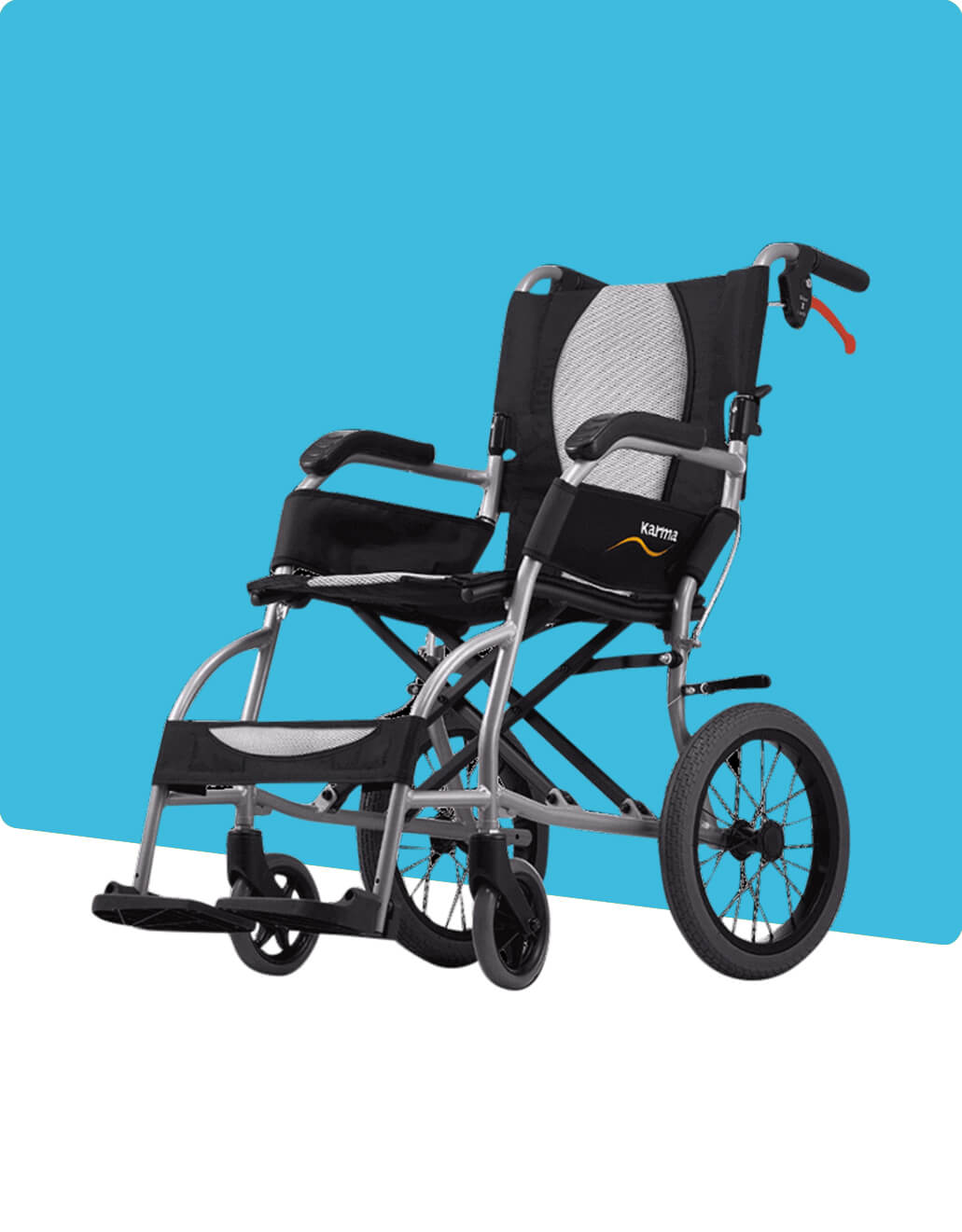
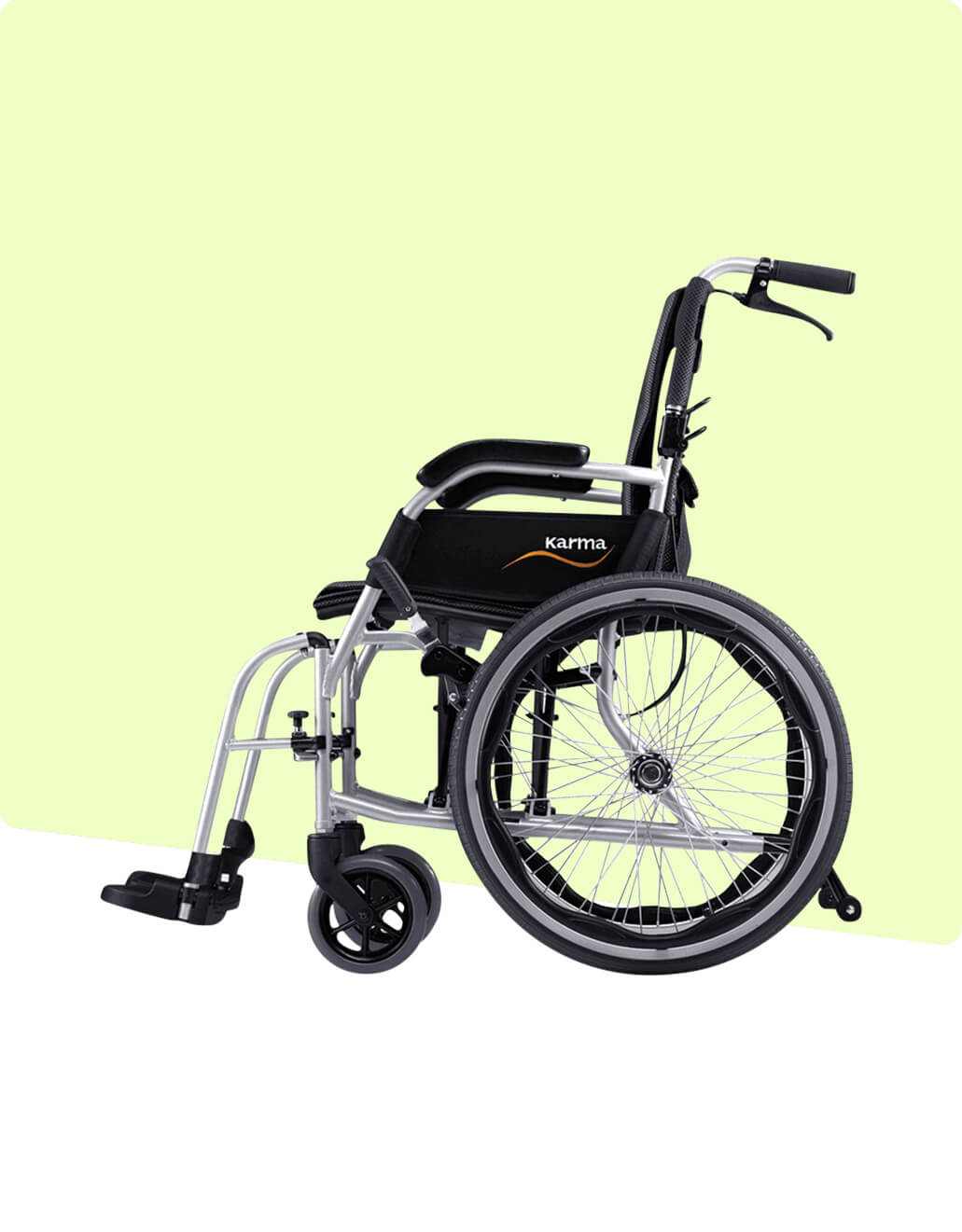
- Wheelchairs - should provide adequate seat depth, back support, and foot positioning
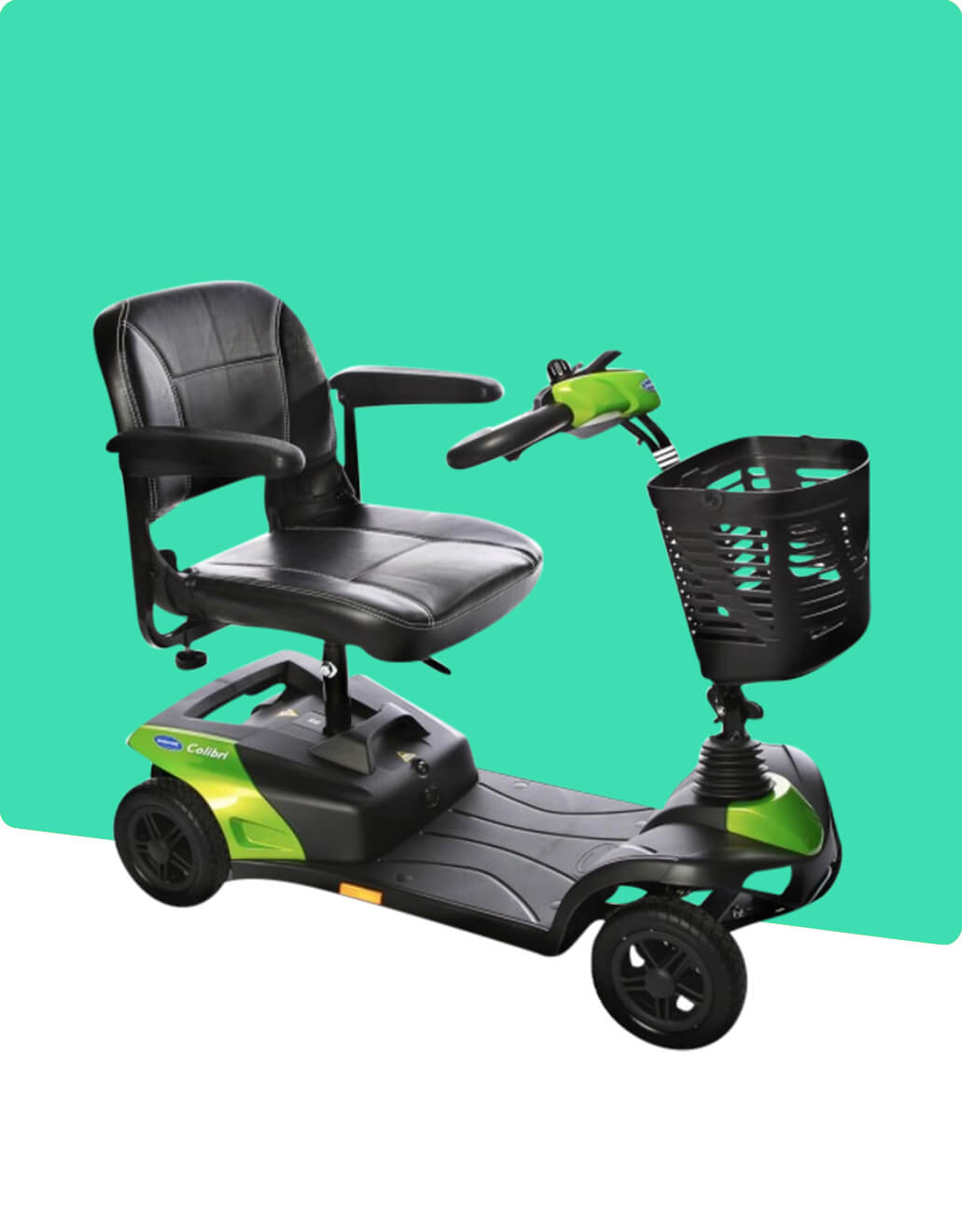
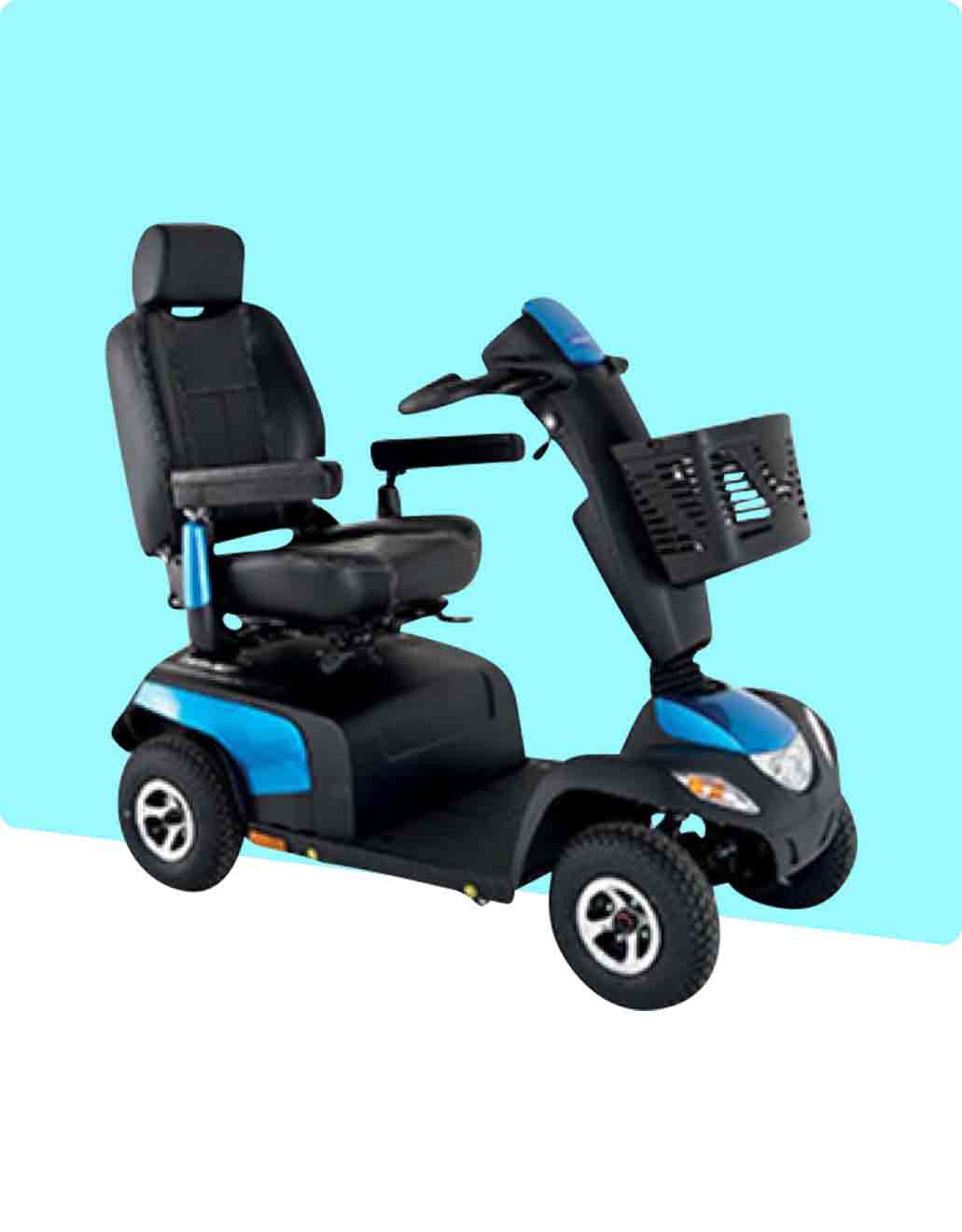
- Scooters - should allow you to reach controls without leaning or twisting
If your shoulders ache, wrists hurt or you feel unstable, your aid may need adjustment. Small changes can make a big difference in safety.
Practice in Low-Stress Environments
Before using a new Mobility Aid in public:
- Practice at home or in a quiet outdoor area
- Learn how it handles turns, slopes, thresholds and tight spaces
- Test braking systems and locking mechanisms
Confidence grows with repetition - and familiarity reduces panic in unexpected situations.
Planning Ahead: A Key Mobility Safety Strategy
Spontaneity is wonderful but when you rely on a Mobility Aid, planning ahead can prevent hazards.
Research Your Route
Before heading out:
- Check whether your route includes - accessible pavements, curb cuts and crossings
- Look up - accessible transport options (low-floor buses, step-free stations)
- Identify places to rest if fatigue is a concern
- Note potential problem areas like steep hills or construction zones
Many public transport apps now include accessibility filters - use them whenever possible.
Allow Extra Time
Rushing increases risk. Leaving earlier gives you:
- Time to board safely
- Space to ask for assistance
- Freedom to wait for the next bus or train if one is too crowded
Reducing time pressure improves decision-making and overall safety.
Using Mobility Aids on Public Transport
Public transport can be one of the most challenging environments for Mobility Aid users. Crowds, moving vehicles and limited space require extra awareness.
Boarding Buses Safely
Low-floor buses and ramps are designed for accessibility, but they still require caution.
Tips for safer boarding:
- Position yourself clearly where the driver can see you
- Signal early if you need the ramp deployed
- Wait until the bus comes to a complete stop
- Keep your mobility aid stable and brakes engaged (if applicable)
If a bus feels unsafe or overcrowded, it’s okay to wait for the next one.
Seating and Securement
Once onboard:
- Use designated priority seating if available
- Lock wheelchair brakes or scooter stabilisers
- Keep canes and walkers close to avoid tripping hazards
If standing with a mobility aid:
- Position yourself near handrails
- Keep feet shoulder-width apart
- Avoid sudden movements when the vehicle accelerates or stops
Exiting Safely
Many falls happen when getting off transport:
- Signal your stop early
- Wait for the vehicle to stop fully
- Ask the driver to deploy ramps if needed
- Take your time - there’s no need to rush
Trains, Trams and Underground Systems
Rail travel offers more space than buses but comes with its own challenges.
Platform Safety
- Stay well back from platform edges
- Be mindful of gaps between train and platform
- Use designated boarding points when available
If staff assistance is offered, accept it - it’s there for your safety.
Managing Gaps and Steps
Some stations have:
- Large step-ups or step-downs
- Horizontal gaps that can trap wheels or tips
Use portable ramps where permitted or request station assistance ahead of time.
Navigating Pavements, Streets and Outdoor Spaces
Around town, surfaces are rarely consistent. Awareness and technique matter.
Footpaths, shopping centres and community spaces present different challenges. Uneven pavement, ramps, escalators and crowded walkways require awareness and steady pacing. Choosing mobility equipment with reliable brakes, non-slip tyres and ergonomic grips can make a noticeable difference outdoors. Take your time navigating kerbs and crossings, and look for pedestrian signals that allow longer crossing periods. Confidence grows when you feel supported by equipment designed for real-world conditions.
Watch for Uneven Surfaces
Common hazards include:
- Cracked pavements
- Loose paving stones
- Tree roots
- Wet leaves or ice
When possible:
- Take slower routes with better maintenance
- Use mobility aids with appropriate wheels or tips for outdoor use
Curb Cuts and Crossings
Not all curb cuts are equal:
- Some are too steep
- Others are poorly aligned with crossings
Approach at a controlled speed and avoid sharp angles that can cause tipping or wheel snagging.
Weather Awareness
Rain, snow, and heat all affect mobility safety:
- Wet surfaces reduce traction
- Ice makes even short distances hazardous
- Heat increases fatigue and dehydration
Adapt your schedule and equipment accordingly.
Shops, Cafés, and Indoor Public Spaces
Indoor environments come with tight layouts, slippery floors and unexpected obstacles.
Navigating Tight Spaces
- Take wider turns to avoid catching wheels or tips
- Be cautious around displays and furniture
- Don’t hesitate to ask staff to move chairs or obstacles
Your safety is more important than convenience or embarrassment.
Managing Doors and Thresholds
Heavy doors and raised thresholds can be risky:
- Use automatic doors when available
- Ask for assistance if doors are difficult
- Approach thresholds slowly and straight on
Asking for and Accepting Help
Independence doesn’t mean doing everything alone.
Energy management is another important consideration when moving around town. Public outings often involve more walking, standing and waiting than expected. A rollator with a built-in seat allows you to rest whenever needed, helping prevent fatigue-related instability. If longer distances are challenging, a lightweight mobility scooter can preserve energy while maintaining independence. The goal isn’t to push through exhaustion - it’s to move comfortably and sustainably.
How to Ask Effectively
Be specific:
- “Could you hold the door open?”
- “Can you lower the ramp, please?”
- “May I have help lifting this over the gap?”
Clear communication reduces misunderstandings and keeps you in control.
Handling Unwanted Help
Sometimes people help without asking. If it feels unsafe:
- Politely but firmly say, “Thank you, I’ve got it.”
- Or redirect: “Please let go of the chair.”
You are the expert on your own needs.
Common Mobility Safety Mistakes to Avoid
At Adaptive Equipment, we see patterns that increase risk. Awareness can prevent injury.
Rushing
Hurrying to catch transport or cross streets leads to:
- Poor balance
- Missed hazards
- Falls
It’s better to miss one bus than risk injury.
Using Worn or Incorrect Equipment
- Worn cane tips reduce grip
- Loose walker brakes cause slips
- Under-inflated wheelchair tires affect stability
Regular maintenance is essential for safety.
Carrying Too Much
Heavy bags:
- Throw off balance
- Catch on doors or seats
- Increase strain
Use backpacks, mobility-aid attachments or small wheeled bags when possible.
Ignoring Fatigue
Fatigue increases fall risk dramatically.
- Take breaks
- Sit when needed
- Shorten trips if your body signals exhaustion
Listening to your body is a safety skill.
Building Confidence Through Practice
Confidence isn’t about fearlessness - it’s about preparation.
Practice New Routes Gradually
- Try routes during off-peak hours
- Walk or roll part of the journey first
- Increase complexity over time
Familiarity builds confidence and reduces anxiety.
Reflect and Adjust
After outings, ask yourself:
- What felt safe?
- What felt difficult?
- What could I do differently next time?
Small adjustments lead to big improvements.
Safety also involves visibility and communication. Wear supportive, non-slip footwear and ensure your mobility equipment is in good working condition before leaving home. Reflective strips on walking frames or scooters can improve visibility in low light. Carry a mobile phone for reassurance and consider a small bag attached securely to your Mobility Aid to keep personal items close without affecting balance. Small preparations create a greater sense of control.
Empowerment Through the Right Equipment
The right adaptive equipment from Adaptive Equipment doesn’t just support mobility - it supports freedom.
At Adaptive Equipment, we believe:
- Safety should never come at the cost of dignity
- Mobility Aid should adapt to your life - not limit it
- Practical knowledge is just as important as the equipment itself
Choosing quality, well-fitted Mobility Aid and learning how to use them effectively transforms everyday travel from stressful to manageable.
Final Thoughts: Safer Travel, Greater Independence
Using a Mobility Aid on public transport and around town comes with challenges - but it also comes with opportunities for independence, connection and confidence.
At Adaptive Equipment, we understand that mobility doesn’t stop at your front door. Our range of mobility equipment is selected to support safe, confident movement both at home and in the community. With durable designs, user-friendly features and practical accessories, the right Mobility Aid helps you stay connected to the places and people that matter most - because independence should travel with you, wherever you go.
With:
- Proper preparation
- Well-maintained equipment
- Awareness of common mistakes
- Willingness to ask for support
You can move through your community safely and on your own terms.
At Adaptive Equipment, we’re proud to support people at every stage of their mobility journey. Because everyone deserves to travel with safety, confidence and dignity -wherever the day takes them.


