
















How to Get the Right Mobility Equipment Without Feeling Overwhelmed
by Deborah Batchelor on Feb 18, 2026
How to Get the Right Mobility Equipment Without Feeling Overwhelmed
Choosing mobility equipment can feel like standing at the bottom of a very big mountain.
There are so many options. So many features. So many opinions.
And if you’re already dealing with reduced mobility, injury, surgery recovery, ageing or a health condition, the last thing you need is more stress.
Take a breath.
This guide will walk you through how to choose the right mobility equipment from Adaptive Equipment - calmly, clearly and confidently. Whether you’re searching for mobility aids for seniors, walking aids for balance or a mobility scooter for everyday use, this blog will help you make a decision without feeling overwhelmed.
The right mobility aid doesn’t take away independence - it protects it.
Let’s begin.
Why Choosing Mobility Equipment Feels Overwhelming
Before we talk about solutions, let’s acknowledge the real reasons this process can feel difficult.
1. There Are Too Many Choices
From walking sticks to rollators, power chairs to shower stools - the range of mobility aids available today is extensive. And while that’s a good thing, it can feel confusing.
2. You Don’t Want to Get It Wrong
Mobility equipment is not just a purchase. It’s something you’ll use daily. Comfort, safety and reliability matter.
3. Emotions Are Often Involved
Needing mobility support can feel confronting. It may represent change - and change can feel uncomfortable.
Feeling hesitant doesn’t mean you’re weak. It means you care about staying independent.
The key is to simplify the process.
When you’re ready to take the next step, choosing where to shop matters just as much as choosing the right product. That’s where Adaptive Equipment makes the process easier. Instead of feeling overwhelmed by endless options, you’ll find a carefully curated, comprehensive range of mobility aids designed to support balance, safety and independence at every stage of life.
Adaptive Equipment offers a large range of mobility equipment in one convenient online store - from walking sticks and rollators to mobility scooters, power chairs and bathroom safety aids. This means you don’t have to search multiple websites or compare inconsistent information. Everything is clearly explained in one place, making it easier to confidently explore walking aids for seniors, lightweight mobility scooters and practical home safety solutions.
Step 1: Start With Your Daily Life (Not the Product)
Instead of beginning with product categories, begin with your routine.
Ask yourself:
-
Where do I struggle most?
-
Is it getting out of chairs?
-
Is it walking longer distances?
-
Is it balance in the bathroom?
-
Is it fatigue when shopping?
When you focus on your daily challenges, the right type of mobility aid from Adaptive Equipment becomes clearer.
Understanding Different Types of Mobility Equipment
Let’s break down common categories in a simple way.
Walking aids for Balance and Stability
Walking aids are ideal if you:
-
Feel unsteady
-
Tire easily
-
Need light support
-
Want to prevent falls
Walking Sticks and Canes
Best for mild balance support.
Search terms people often use:
-
Walking stick for seniors
-
Adjustable walking cane Australia
-
Lightweight cane for balance
Benefits:
-
Lightweight
-
Easy to transport
-
Affordable
-
Simple to use
Walking Frames
Provide more stability than a cane.
Ideal if:
-
You need stronger support
-
You’re recovering from surgery
-
You feel unsteady on uneven ground
Keywords:
-
Walking frame with wheels
-
Folding walker for elderly
-
Mobility walker for home use
Rollators (Four-Wheel Walkers)
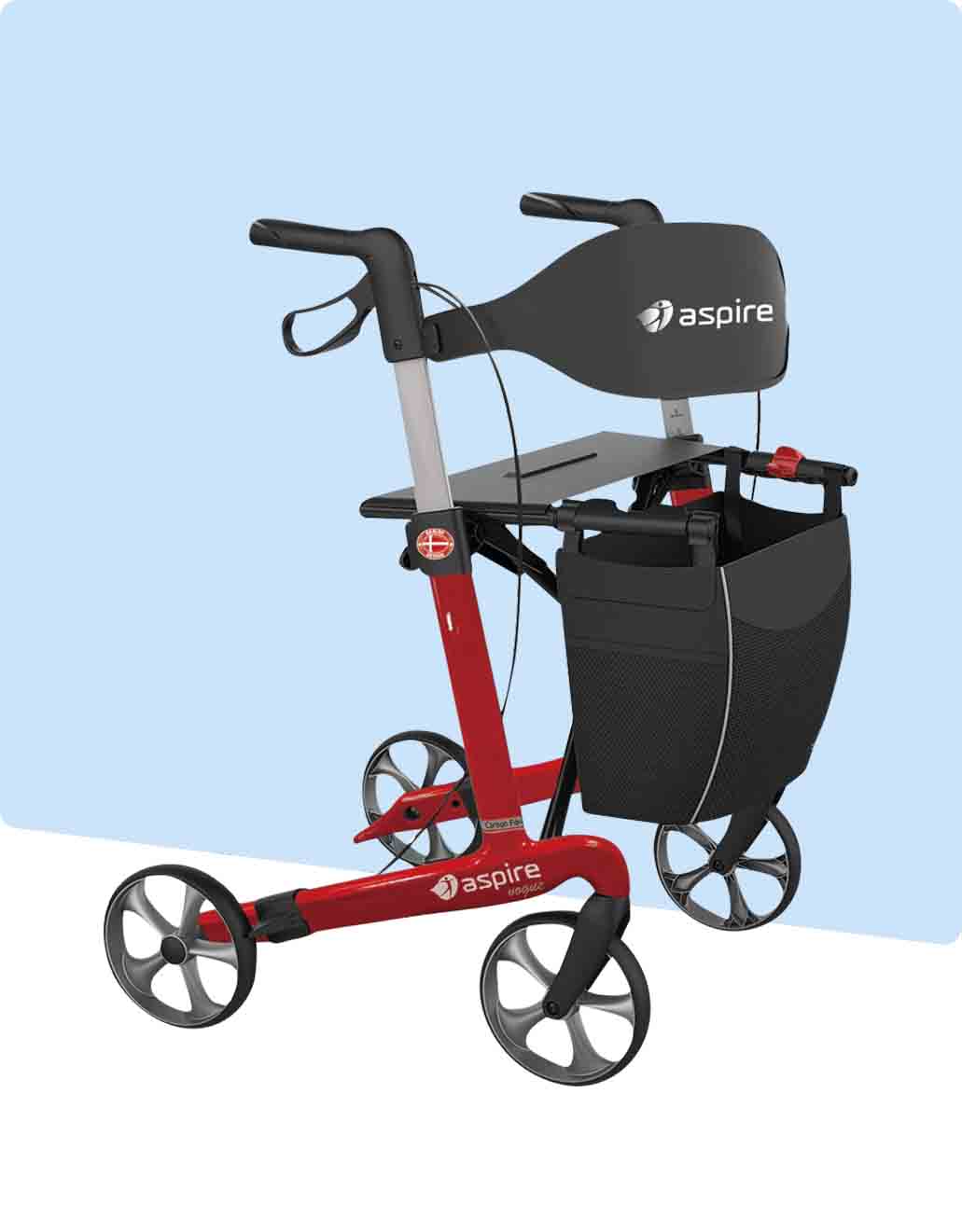
Rollators are increasingly popular because they combine support with independence.
Features often include:
-
Seat for resting
-
Hand brakes
-
Storage basket
-
Height adjustment
Common search phrases:
-
Rollator walker with seat
-
Lightweight rollator Australia
-
Best walker for elderly with seat
A rollator doesn’t slow you down - it helps you go further safely.
Mobility Scooter for Independence Outdoors
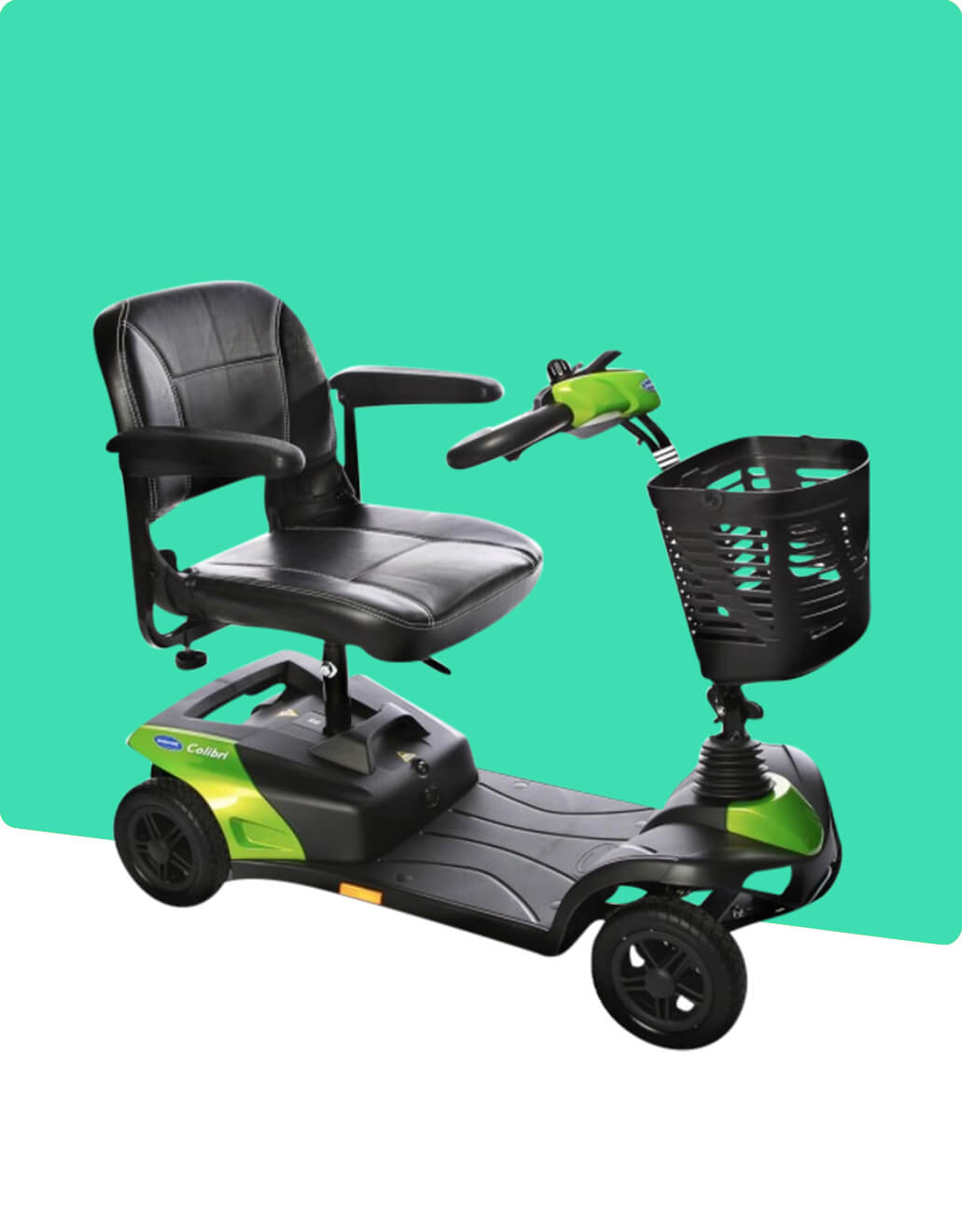
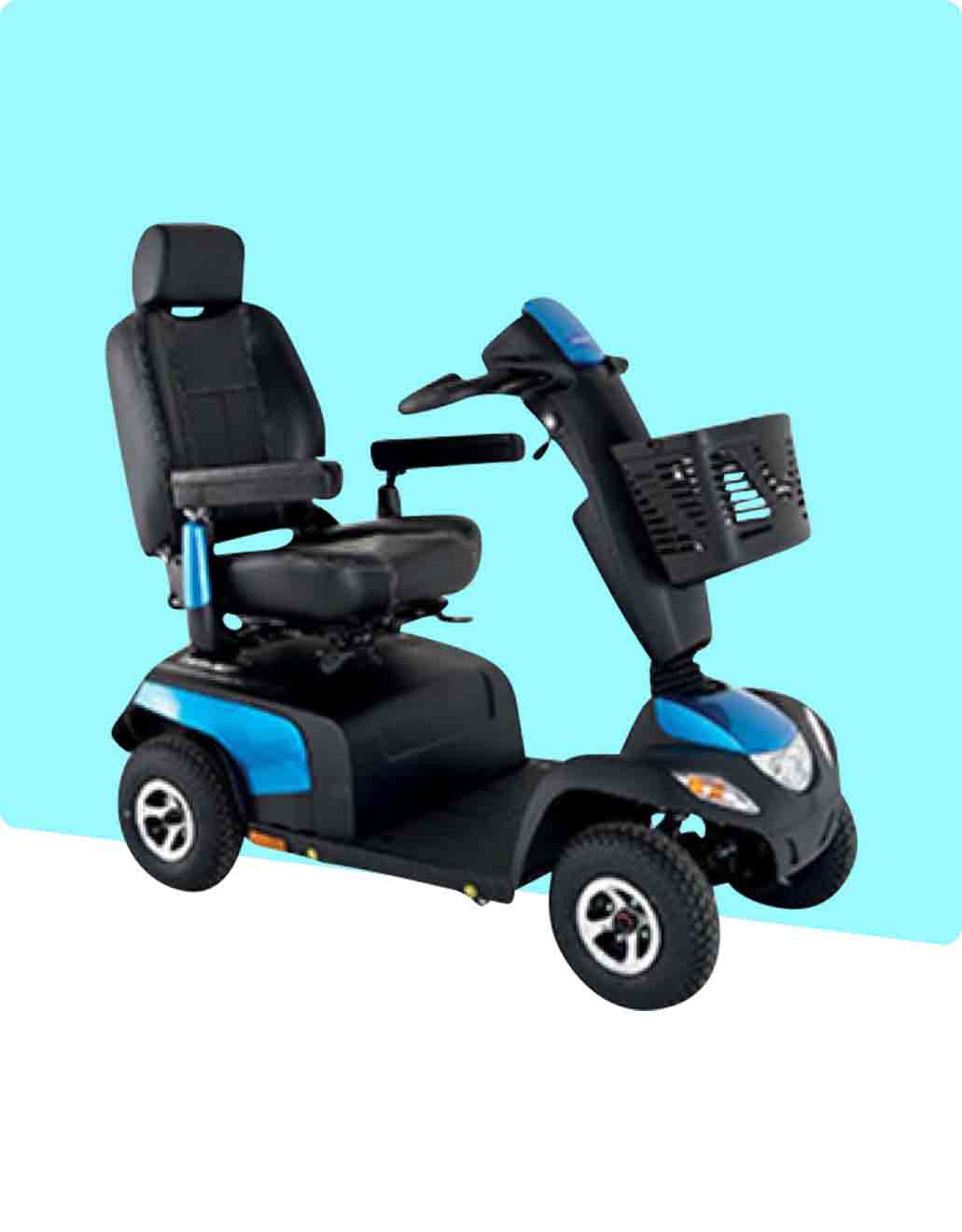
If walking long distances is exhausting or painful, a mobility scooter may provide the freedom you’re missing.
They are ideal for:
-
Shopping centres
-
Outdoor events
-
Travelling around your neighbourhood
-
Long pathways
Search-friendly keywords:
-
Mobility scooter for seniors
-
Portable mobility scooter
-
Foldable mobility scooter Australia
-
Small mobility scooter for travel
Questions to Ask Before Buying a Mobility Scooter
-
Where will I mainly use it?
-
Do I need it to fit in a car boot?
-
How far do I need it to travel?
-
Is comfort important for longer rides?
The right mobility scooter should expand your world - not complicate it.
Power Chairs for Greater Support
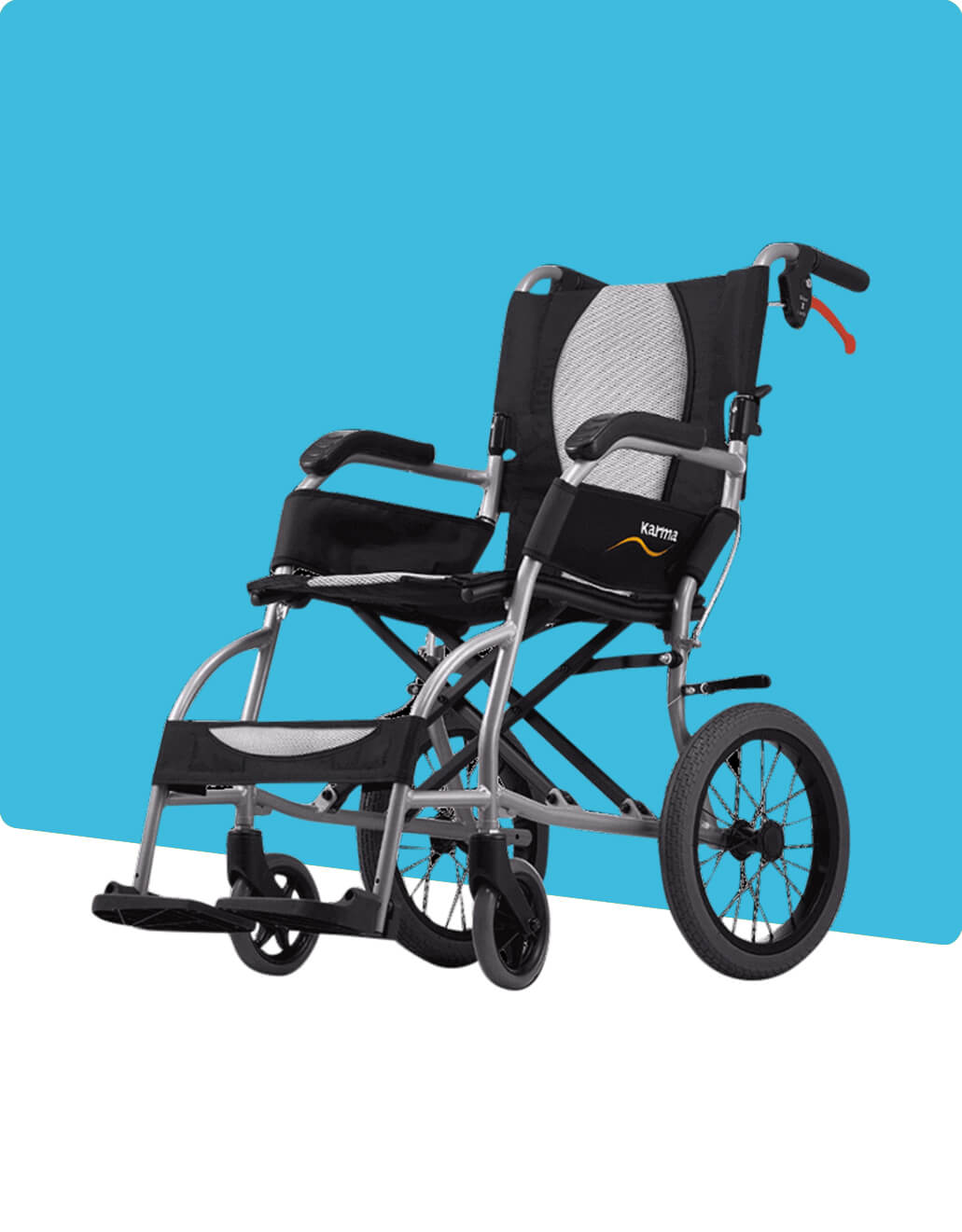
Power Chairs are designed for individuals who:
-
Have limited upper body strength
-
Need precise indoor manoeuvrability
-
Require long-term mobility assistance
They offer:
-
Tight turning radius
-
Comfortable seating systems
-
Adjustable support
-
Joystick control
Popular search queries:
-
Electric power chair Australia
-
Compact power wheelchair
-
Indoor power wheelchair for seniors
Bathroom and Home Safety Mobility Aids
Often, the biggest risks occur inside the home - especially in bathrooms.
If your concern is slipping, bending or standing from low surfaces, consider:
Bathroom Safety Equipment
-
Shower chairs
-
Toilet surround frames
-
Non-slip shower mats
-
Raised toilet seats
Keywords:
-
Bathroom aids for elderly
-
Shower chair with arms
-
Toilet frame for seniors
-
Non slip shower mat for elderly
Small changes in the bathroom can prevent big falls.
Step 2: Think Safety First
Safety should always guide your decision.
Ask:
-
Does this provide enough support?
-
Is it adjustable to my height?
-
Is it stable on different surfaces?
-
Is it easy to use without strain?
If something feels unstable in the shop or online demo - trust that instinct.
Step 3: Focus on Comfort
Mobility equipment should feel like support - not punishment.
Look for:
-
Padded seats
-
Ergonomic handles
-
Lightweight frames
-
Easy folding mechanisms
-
Smooth braking systems
Comfort increases usage. And consistent use increases safety.
Step 4: Consider Your Environment
Your home and lifestyle matter.
Indoors
You may need:
-
Narrow frames
-
Lightweight designs
-
Tight turning capabilities
Outdoors
You may need:
-
Larger wheels
-
Suspension
-
Weather-resistant materials
-
Longer battery range
Travel
Search-friendly terms:
-
Foldable walker for travel
-
Lightweight travel mobility scooter
-
Portable power wheelchair Australia
The best mobility equipment fits your life - not the other way around.
Step 5: Avoid Information Overload
When researching online, it’s easy to fall down a comparison rabbit hole.
Here’s how to simplify:
Limit Your Options to 3
Choose three models that meet your needs. Compare only those.
Prioritise Essentials
Focus on:
-
Stability
-
Comfort
-
Ease of use
-
Warranty
Ignore:
-
Fancy add-ons you may never use
-
Features that complicate operation
Step 6: Understand That Needing Help Is Normal
One of the biggest emotional barriers is the belief that using mobility equipment means losing independence.
The opposite is often true.
Mobility aids are tools for independence - not symbols of limitation.
Thousands of Australians search every month for:
-
best mobility aids for seniors
-
help with walking balance elderly
-
mobility equipment for ageing at home
You are not alone in this.
What truly sets Adaptive Equipment apart is the human-first approach. Product descriptions are written in clear, easy-to-understand language - not technical jargon. You’ll find helpful guidance on who each product is suited for, key features that matter for everyday use, and practical considerations like weight, adjustability and storage. It’s not about pushing products. It’s about helping you make informed, comfortable decisions.
Adaptive Equipment also understands that mobility needs change over time. Whether you’re recovering from surgery, supporting ageing at home or managing a long-term condition, you can find flexible solutions that grow with you. From adjustable walking frames to portable mobility scooters for travel, the range is designed to support independence both indoors and outdoors.
Common Mistakes to Avoid When Buying Mobility Equipment
Buying Too Much Support
If the equipment is overly bulky or restrictive, you may avoid using it.
Buying Too Little Support
If it doesn’t feel stable, you risk falls.
Ignoring Adjustability
Height and handle position matter more than most people realise.
Choosing Based on Price Alone
While affordability matters, safety and durability are long-term investments.
How to Choose the Right Size Mobility Equipment
Proper sizing prevents strain and improves posture.
Walking Aids
-
Elbow should be slightly bent (15–20 degrees)
-
Handles should align with wrist crease
Rollators
-
Feet should sit flat when seated
-
Brakes should be easy to engage
Mobility Scooters
-
Knees should have comfortable clearance
-
You should reach controls easily
-
Seat should support hips and back
If in doubt, seek professional advice from an occupational therapist.
When to Upgrade Your Mobility Equipment
Sometimes the equipment you bought five years ago may no longer suit your needs.
Signs it’s time to review:
-
You feel less stable
-
Your health condition has changed
-
You avoid going out
-
The equipment feels heavy or difficult to manage
Mobility needs evolve - your equipment should evolve too.
Choosing a Trusted Mobility Equipment Supplier
The store you buy from matters.
Look for:
-
Clear product descriptions
-
Transparent warranty information
-
Helpful customer support
-
Easy-to-understand return policies
-
Educational content (not just products)
A large range of mobility aids is helpful - but guidance is even more important.
A Simple 5-Step Decision Checklist
If you’re feeling overwhelmed right now, use this:
-
Identify your biggest daily mobility challenge.
-
Decide whether support is needed indoors, outdoors or both.
-
Choose the category (walker, rollator, scooter, bathroom aid).
-
Compare only 2–3 suitable models.
-
Prioritise safety, comfort and simplicity.
That’s it.
Frequently Asked Questions
What is the best mobility aid for elderly balance problems?
It depends on the severity of balance issues. A walking stick may suit mild instability, while a rollator provides greater support and a seat for resting.
Are mobility scooters difficult to use?
Most modern mobility scooters are designed for simplicity, with intuitive controls and adjustable seating.
How do I know if I need a walker instead of a cane?
If you feel unsteady even when using a cane or need to put weight through both arms, a walker from Adaptive Equipment may provide safer support.
Can mobility equipment help prevent falls?
Yes. Properly selected walking aids, bathroom safety equipment and mobility scooters from Adaptive Equipment significantly reduce fall risk.
Shopping online with Adaptive Equipment is straightforward and reassuring. Clear warranty information, transparent policies and supportive customer service help remove uncertainty from the buying process. If you have questions about sizing, stability or suitability, guidance is readily available - because choosing mobility equipment should feel supportive, not stressful.
Most importantly, Adaptive Equipment is built around one simple principle: helping people move with confidence. When you shop with a trusted provider that specialises in mobility aids, you’re not just purchasing equipment - you’re investing in safety, freedom and peace of mind.
And that makes all the difference.
Final Thoughts: You Don’t Have to Figure It Out Alone
Choosing mobility aids from Adaptive Equipment doesn’t have to feel overwhelming.
Break it down.
Focus on your lifestyle.
Prioritise safety.
Choose comfort.
Limit your options.
And most importantly - remember why you’re doing this.
The goal isn’t just movement. It’s confidence, independence and peace of mind.
The right mobility equipment helps you keep doing what matters most - safely, comfortably and confidently.
Take your time. Ask questions. And choose support that helps you move forward with reassurance.
Because mobility isn’t about limitation.
It’s about living well.


