
















Walking Aids for Balance, Confidence and Independence | Adaptive Equipment
by Deborah Batchelor on Feb 10, 2026
Walking should feel safe, steady and empowering - not stressful or uncertain. At Adaptive Equipment, we understand that mobility challenges are deeply personal and often change over time. That’s why Adaptive Equipment's carefully selected range of Walking Aids is designed to support balance, confidence and independence with every step.
From walking canes and sticks to walkers and rollators, each product in our collection focuses on comfort, safety and real-world usability. Whether you’re managing a long-term condition, recovering from surgery or simply wanting extra stability as you move through daily life, the right Walking Aid can transform how you feel about getting around.
Mobility support isn’t about giving up independence - it’s about protecting it.
This comprehensive guide explores walking aids for mobility-impaired people, including clinical considerations, buyer advice, safety tips and future-focused solutions. It’s written for everyday users, carers and health professionals alike.
Why Walking Aids Are Essential for Everyday Mobility
Mobility impairment affects people of all ages across Australia. While ageing is a common factor, many people experience walking difficulties due to injury, disability, chronic illness or neurological conditions.
Common causes of reduced mobility include:
-
Arthritis and joint degeneration
-
Stroke and neurological conditions (such as Parkinson’s disease or MS)
-
Balance disorders and vertigo
-
Muscle weakness or fatigue
-
Post-surgical recovery (hip, knee, or spinal surgery)
-
Chronic pain conditions
Without appropriate support, walking can become tiring, unsafe and anxiety-inducing. Walking aids reduce physical strain while restoring confidence - helping people stay active, social and independent.
Benefits of Using Walking Aids
Walking Aids provide both physical and emotional reassurance:
-
Improved balance and stability
-
Reduced risk of falls and injuries
-
Less pressure on joints and muscles
-
Increased confidence in public spaces
-
Support for longer walking distances
Feeling steady on your feet changes everything - from how far you walk to how often you say yes.
Types of Walking Aids Explained
Choosing the right Walking Aid from Adaptive Equipment starts with understanding what’s available. Each type offers different levels of support and suits different needs.
(Internal link suggestion: Guide to Choosing the Right Mobility Aid)
Walking Canes: Lightweight Balance Support
Walking canes are one of the most widely used mobility aids and are ideal for people who need light assistance with balance or confidence.
Who Are Walking Canes Best For?
Walking canes suit people who:
-
Experience mild balance issues
-
Have weakness on one side of the body
-
Feel unsteady on uneven surfaces
-
Want discreet, lightweight support
Key Features to Look For
-
Adjustable height for correct posture
-
Ergonomic handles to reduce wrist strain
-
Lightweight aluminium or carbon fibre shafts
-
Non-slip rubber ferrules for safety
Single-Point Walking Canes
Single-point canes are simple, easy to use, and suitable for indoor and outdoor mobility.
Quad Canes for Extra Stability
Quad canes feature a four-point base, offering increased stability when standing or transitioning from sitting to standing.
A walking cane might seem small - but its impact on confidence is enormous.
Please click here for the Walking Canes Collection from Adaptive Equipment
Walking Sticks: Everyday Balance with Comfort
Walking Sticks from Adaptive Equipment are often chosen for outdoor mobility and longer walks. They offer light support while encouraging upright posture.
Why Choose a Walking Stick?
-
Ideal for uneven terrain
-
Easy to carry and store
-
Available in foldable designs
-
Often include shock-absorbing features
Walking Sticks are popular among people who are still active but want extra reassurance when walking outdoors.
Please click here for the Walking Sticks Collection from Adaptive Equipment

Walking Frames: Maximum Stability Indoors
Walking frames from Adaptive Equipment are designed for people who require significant stability, particularly indoors or during early rehabilitation.
Types of Walking frames
Standard Walking frames
These frames must be lifted with each step and are best suited for slow, controlled walking.
Wheeled Walking frames
Front-wheeled frames glide more easily, reducing effort while maintaining stability.
Benefits of Walking frames
-
Excellent balance support
-
Lightweight but sturdy
-
Ideal for rehabilitation and daily indoor use
-
Easy to manoeuvre in tight spaces
Please click here for the Walking Frames Collection from Adaptive Equipment
Rollator Walkers: Confidence for Longer Distances
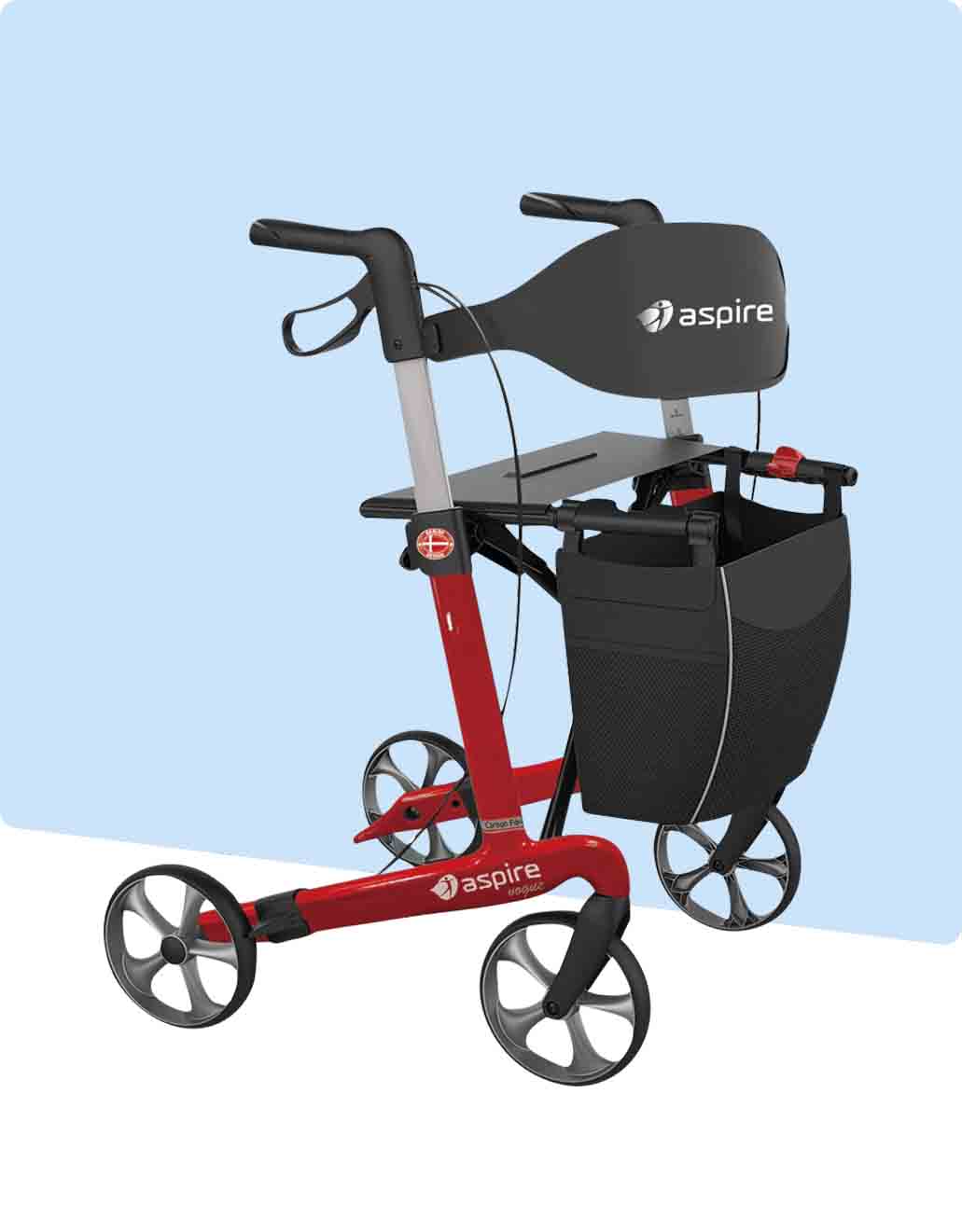
Rollator Walkers from Adaptive Equipment combine stability with independence. Featuring wheels, brakes and often a built-in seat, rollators support both indoor and outdoor mobility.
Who Benefits Most from Rollator Walkers?
-
People who fatigue easily
-
Users who walk independently but need balance support
-
Those who enjoy shopping, social outings or travel
Key Rollator Walker Features
-
Three or four-wheel designs
-
Lockable hand brakes
-
Padded seat for rest breaks
-
Storage baskets or bags
A rollator doesn’t just support walking - it supports lifestyle.
Please click here for the Walker Rollators Collection from Adaptive Equipment
How to Choose the Right Walking Aid
Choosing the correct Walking Aid is essential for comfort and safety.
Consider Your Physical Needs
Ask yourself:
-
Do I need light balance support or full stability?
-
Am I using it indoors, outdoors, or both?
-
Do I need weight-bearing support through my arms?
Fit, Comfort, and Adjustability
A suitable Walking Aid should:
-
Match your height correctly
-
Promote upright posture
-
Feel comfortable in your hands
-
Be easy to use daily
Lifestyle and Environment
-
Narrow hallways suit slim frames or canes
-
Outdoor use benefits from wheels and brakes
-
Travel may require foldable designs
Safety and Care Advice for Walking Aids
Correct use and maintenance improve safety and longevity.
Safety Tips
-
Adjust height properly
-
Replace worn rubber tips
-
Keep brakes in good working order
-
Remove trip hazards at home
Caring for Your Walking Aid
-
Clean handles regularly
-
Check bolts and joints
-
Store in a dry area
The safest walking aid is one that’s maintained and used with confidence.
Walking Aids and Independence
Using a Walking Aid from Adaptive Equipment doesn’t reduce independence - it protects it. The right support allows people to remain active, engaged and confident.
Walking Aids help users:
-
Maintain routines
-
Stay socially connected
-
Reduce fear of falling
-
Preserve energy throughout the day
Why Buy Walking Aids from Adaptive Equipment
Adaptive Equipment specialises in practical, reliable mobility solutions designed for real life.
What Sets Us Apart
-
Carefully selected, ergonomic designs
-
Durable materials for everyday use
-
Options for all mobility levels
-
Clear guidance for confident purchasing
Mobility support should fit your life - not complicate it.
Frequently Asked Questions
What is the best Walking Aid for balance problems?
The best Walking Aid depends on your level of balance impairment. Canes suit mild issues, while walkers and rollators provide greater stability.
Are walking aids only for older adults?
No. Walking Aids are used by people of all ages recovering from injury, managing disability, or living with chronic conditions.
Can walking aids prevent falls?
Yes. When chosen correctly and used properly, Walking Aids significantly reduce fall risk.
Should I consult a health professional?
An occupational therapist or physiotherapist can help assess your needs and recommend the most suitable option.
Final Thoughts: Moving Forward with Confidence
Walking Aids from Adaptive Equipment are tools for living well. With the right support, mobility becomes safer, more comfortable and more empowering.
Explore the Walking Aids range at Adaptive Equipment and discover how balance, confidence and independence can return to every step - today and into the future.
Every step forward matters - and you don’t have to take it alone.


