
















Mobility Scooter vs Power Chair | Adaptive Equipment Australia
by Deborah Batchelor on Feb 02, 2026
Mobility Scooters vs Power Chairs from Adaptive Equipment : Which One Is Right for You?
Exploring benefits, use-cases, terrains, lifestyle fit and how to choose the perfect mobility solution
Choosing between a Mobility Scooter and a Power Chair can feel overwhelming, especially when both are designed to support independence, comfort and confidence. At Adaptive Equipment, we know that the 'right' choice isn’t about labels - t’s about how you live, where you go and what makes everyday movement easier. Understanding the key differences can help you feel more assured when deciding which option best fits your needs.
Mobility challenges affect millions of people worldwide. Whether due to age, injury, chronic conditions or temporary disability, people seek reliable solutions that help them live independently, confidently and fully. Two of the most popular solutions in modern mobility are Mobility Scooters and Power Chairs - both offered by leading Adaptive Equipment providers. But when it comes to choosing between them, how do you decide what’s right for you?
In this comprehensive guide, I’ll explore:
- What Mobility Scooters and Power Chairs are
- Key differences between them
- Benefits of each
- Ideal use-cases
- Terrain performance (city vs rural, indoor vs outdoor)
- Lifestyle fit and personal considerations
- How to choose the right option from an Adaptive Equipment perspective
- Tips for test-driving and long-term satisfaction
By the end, you’ll have clarity on the Power Chairs vs Mobility Scooters decision and feel confident choosing a mobility solution that works best for your needs.
1. Understanding the Basics
What Is a Mobility Scooter?
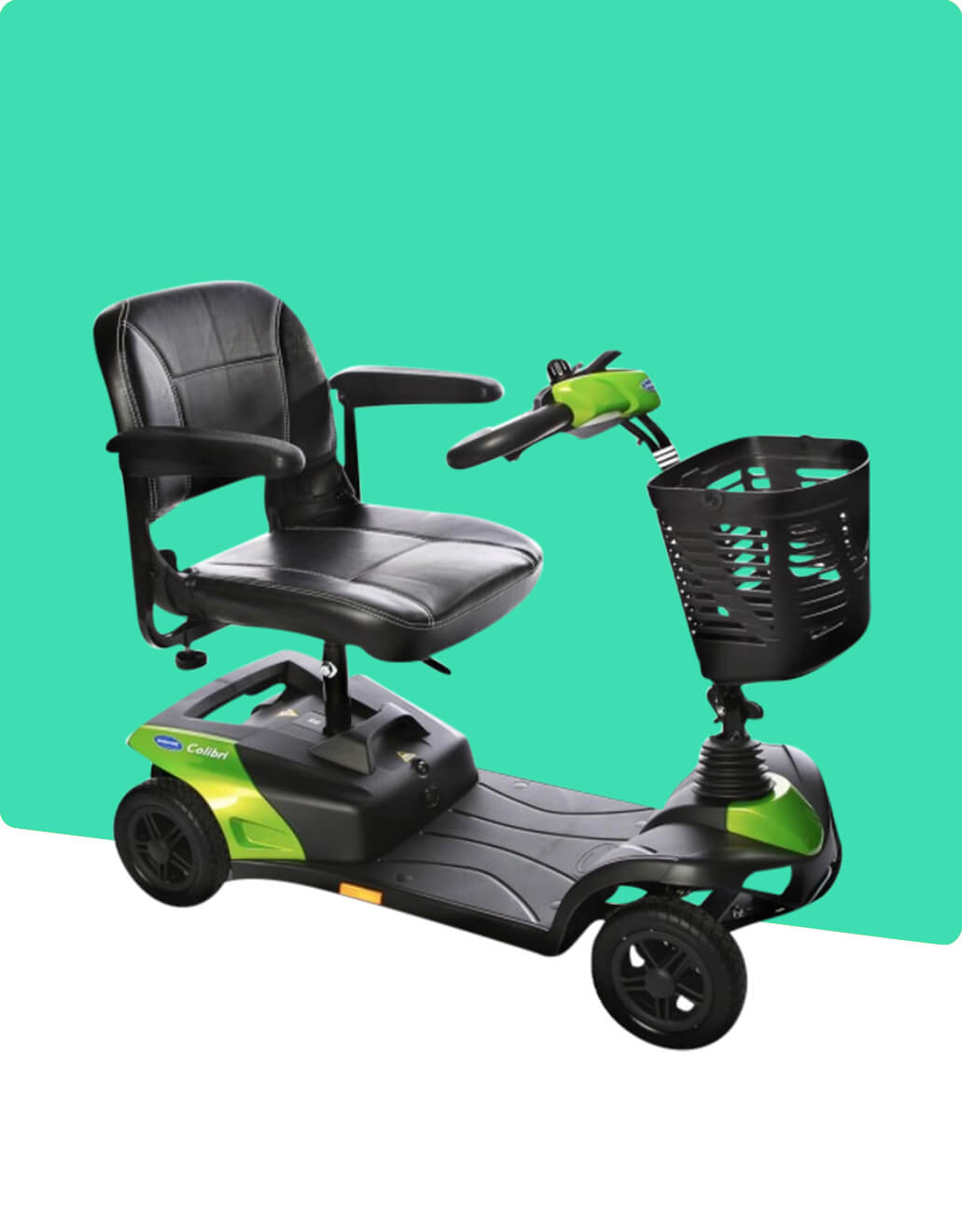
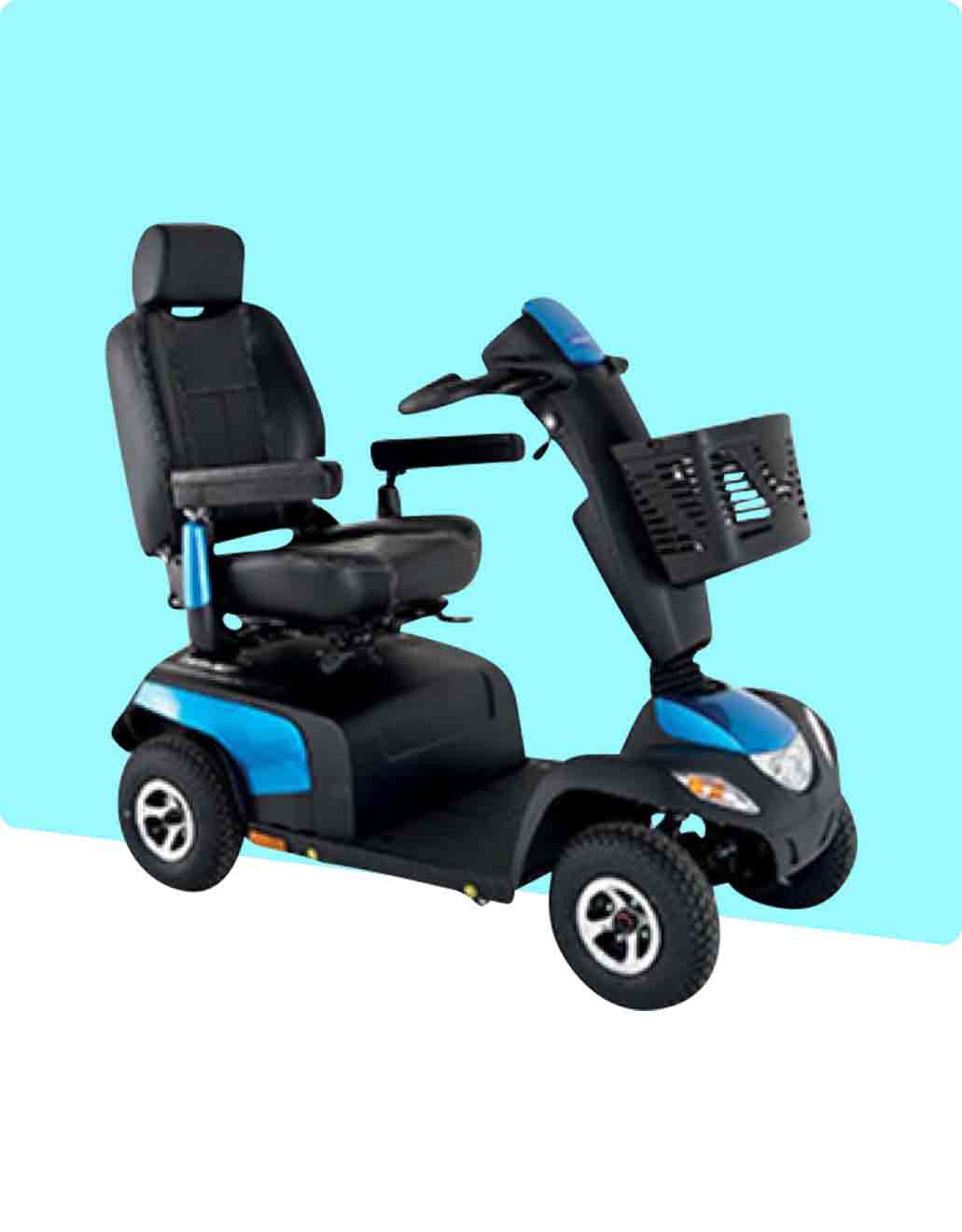
A Mobility Scooter is a battery-powered vehicle designed to help individuals with limited mobility travel longer distances with ease. They often resemble small motor scooters with a comfortable seat, tiller (steering column) and large wheels. Commonly used in mobility scooter Australia and around the world, scooters are known for their stability and ease of use.
Mobility Scooters are often ideal for people who can walk short distances but need support for longer trips or outdoor use. They’re typically easier to get on and off, have a tiller-style steering system, and are well suited to shopping centres, footpaths and community outings. With larger wheels, longer range batteries and higher top speeds, scooters are a popular choice for those who want a practical solution for getting out and about with minimal fuss.
Key features include:
- Four, three or even two wheels
- A steering tiller
- A platform for feet
- Large batteries for extended travel
- Comfortable seats with armrests
Mobility Scooters are typically powerful and suitable for both indoor and outdoor use - especially when travelling longer distances on footpaths, parks, shopping centres or local streets.
What Is a Power Chair?
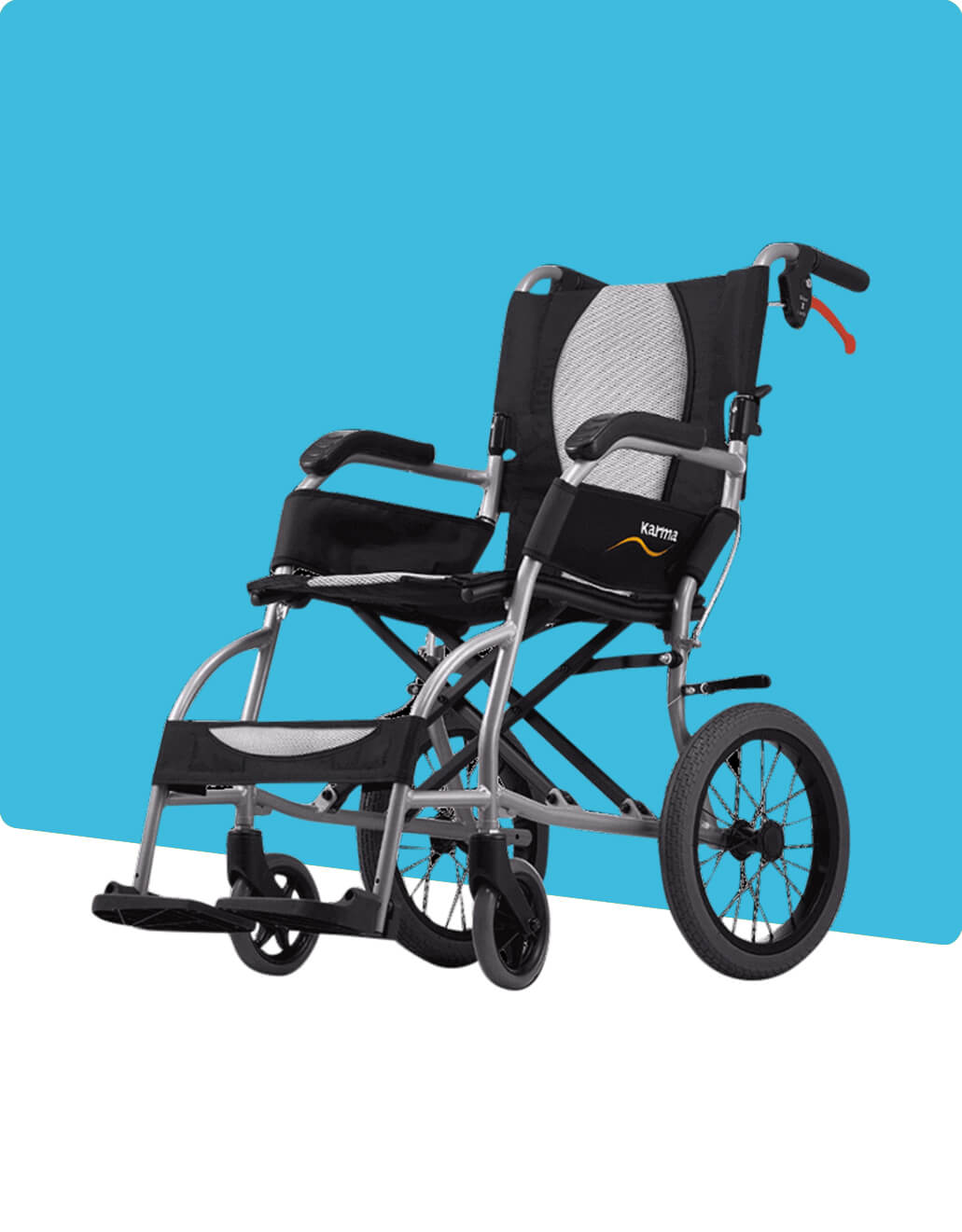
A Power Chair, also known as a powered wheelchair or electric wheelchair, is a more manoeuvrable mobility device designed for individuals who may require more precise control or use it actively throughout the day. Power Chairs can be controlled using a joystick, chin control, head control or other specialised adaptive switches.
Power Chairs, on the other hand, are designed for users who require consistent mobility support throughout the day. Controlled with a joystick and built for precise indoor manoeuvring, power chairs excel in tight spaces like homes, workplaces and medical facilities. Many models offer advanced seating, posture support and customisation options, making them a strong choice for people with limited upper body strength or those who rely on mobility aids full-time.
Power chairs are also part of the broader Adaptive Equipment family and are ideal for users who need responsiveness and flexibility.
Key features include:
- Joystick or alternative adaptive control
- Tight turning radius
- Often more compact than scooters
- Designed primarily for indoor manoeuvrability
- Multiple seating and positioning options
2. Key Differences Between Mobility Scooters and Power Chairs
When considering Power Chair vs Mobility Scooter it’s essential to look at how they differ across key functional and lifestyle areas.
Key Differences Between Mobility Scooters and Power Chairs
When comparing a Mobility Scooter vs Power Chair, it’s important to understand how each option supports different mobility needs, lifestyles, and environments. Below are the key differences to help you choose the right solution from Adaptive Equipment.
-
Steering & Control Systems
Mobility Scooters are operated using handlebars or a tiller, similar to a bicycle, making them familiar and easy for many users. Power Chairs use a joystick or alternative controls, ideal for people with limited hand strength or dexterity. -
Turning Radius & Manoeuvrability
Power Chairs are designed with a tight turning radius, making them well-suited to indoor spaces such as hallways, bedrooms, and bathrooms. Mobility Scooters require more space to turn and perform best in outdoor or open environments. -
Indoor vs Outdoor Mobility
Mobility Scooters are commonly used for outdoor travel, shopping centres, footpaths, and longer distances. Power Chairs are designed for both indoor and outdoor use, offering precise control in confined spaces. -
Seating, Comfort & Postural Support
Power Chairs often include advanced seating options such as tilt, recline, and customised postural support. Mobility Scooters typically feature simpler seating designed for comfort over shorter periods. -
User Strength & Accessibility Needs
Mobility Scooters generally suit users with good upper-body strength and balance. Power Chairs are better suited for users with reduced strength, coordination, or endurance, providing greater accessibility and independence. -
Portability & Transportation
Many Mobility Scooters are lightweight or can be dismantled for transport in a car. Power Chairs are heavier and usually require vehicle hoists or accessible transport solutions. -
Lifestyle & Daily Use
Mobility Scooters are ideal for maintaining independence during errands, social outings, and outdoor activities. Power Chairs are often chosen for full-time mobility support and all-day comfort.
3. Benefits of a Mobility Scooter
3.1 Extended Travel Capability
One of a mobility scooter’s biggest advantages is its ability to cover longer distances - making it ideal for errands, shopping and outdoor exploration. With larger batteries and powerful motors, mobility scooter Australia users can travel farther on a single charge.
This is especially helpful when:
- Navigating large towns or cities
- Exploring parks, beaches, and promenades
- Going on day trips or outings
3.2 Stability and Comfort for Outdoor Use
Mobility Scooters generally have sturdier builds and are designed to handle uneven outdoor surfaces, slightly rough terrain and gentle slopes. A higher ground clearance keeps users comfortable even on grass, gravel paths, or cobblestones.
3.3 Ease of Use
Mobility Scooters are generally intuitive to drive. With simple forward, reverse, and steering controls on the tiller, users - including seniors or first-time riders - find them comfortable to operate.
3.4 Ideal for Long Trips and Errands
Need to go grocery shopping or visit multiple locations? Mobility Scooters often include baskets and storage options that make errands easier.
4. Benefits of a Power Chair
4.1 Excellent Manoeuvrability
One of the major strengths of Power Chairs is their ability to move in tight spaces with precision. This makes them perfect for indoor environments such as:
- Home interiors
- Narrow retail aisles
- Offices
- Crowded events
The small turning radius is a clear advantage over Mobility Scooters.
4.2 Highly Adaptive Controls
Power Chairs win big in accessibility and customisation. Not everyone can use a tiller. For people with limited hand or arm mobility, power chairs can be equipped with:
- Chin controls
- Head arrays
- Sip-and-puff systems
- Switch access
This makes them an excellent pick for users with high support needs.
4.3 Custom Seating and Comfort
Adaptive Equipment providers often offer Power Chairs with advanced seating systems - ideal for users who spend hours at a time in their chair. Customisable seat height, back support, and pressure-relief cushions enhance comfort.
4.4 Smooth Indoor Navigation
Smooth carpets, tight doorways and frequently changed direction movements are much easier with a Power Chair.
5. Use-Case Scenarios
5.1 City Life
If you live in an urban area with shops, public transport access and predictable walking paths:
Mobility Scooter is great if:
- You enjoy travelling longer distances outdoors
- You need a stable and comfortable ride for city errands or commuting
- Your routes include wide footpaths and flat surfaces
Power Chair is ideal if:
- You need to operate indoors frequently (malls, apartments, offices)
- You require precise control in tight spaces
- You have adaptations for limited upper-body strength
In cities, public transport and rideshare access may also affect your choice. Mobility Scooters can be easier to transport to errands due to detachable seats and foldable options on some models.
5.2 Rural and Suburban Areas
In rural or semi-rural areas, terrain varies more - gravel roads, grass, gentle slopes and longer distances between destinations.
Mobility Scooter excels when:
- You have longer distances between destinations
- You need a rugged ride for uneven ground
- You want outdoor independence
Power Chair may still be preferable if:
- You spend most of your time inside your home
- Your home environment requires high manoeuvrability
- Terrain is relatively flat and predictable
Some Power Chairs now come with all-terrain options, but traditional scooters generally have a performance edge outdoors.
5.3 Indoor Use vs Outdoor Use
A clear way to test your needs is to ask:
- "Will I mostly use this indoors?
- "Am I travelling longer distances outdoors?”
If indoor use dominates - especially in houses with tight turning areas - a power chair is often better.
If outdoor travel and distance matter more, a mobility scooter likely fits best.
6. Lifestyle Fit: Matching to Your Daily Routine
6.1 Active Adventurers
You love exploring parks, walking trails, beaches and taking road trips. You need:
- Battery life for long days out
- Comfort over different terrains
- Storage for snacks, water or shopping bags
Mobility Scooters tend to win for adventurous lifestyles.
6.2 Home-Centered Comfort
You spend most time at home or in close community spaces, like church halls, community centres or senior clubs.
You need:
- Tight turning and indoor navigation
- Easy transfers between seating and surfaces
- Advanced posture support
Power Chairs are usually a better fit here.
6.3 Work and Commuting
Planning to use mobility equipment for commuting short distances or work environments?
Ask yourself:
- Will I need to enter offices, staff rooms or indoor setups frequently?
- Do I need precision turning and adaptive control?
Power Chairs often offer the best balance for work environments due to their control systems.
6.4 Travel and Transportation
If traveling by car, train or plane:
- Some Mobility Scooters are removable and easier to transport
- Power chairs can be more custom and less movable
Confirm the size and weight of your chosen model before travel.
7. Terrain Performance Comparison
7.1 Sidewalks and Footpaths
Both Mobility Scooters and power chairs perform well here but:
- Scooters often handle longer distances on sidewalks better
- Power chairs excel at frequent stops, starts, and tight navigation
7.2 Grass, Gravel, and Mild Off-Road
Mobility Scooters - especially outdoor models - tend to handle grass and compact gravel with greater ease due to larger wheels and suspension options.
7.3 Indoor Floors and Tight Areas
Power Chairs are superior here due to their smaller footprint and sharper turning capability.
7.4 Slopes and Ramps
This depends on the model and motor strength. Higher-end scooters often have:
- Better acceleration on gentle slopes
- Stronger motors for outdoor hills
Power Chairs can struggle slightly if motors are designed primarily for indoor use.
8. Seating, Comfort, and Ergonomics
Comfort isn’t just a luxury - it’s essential.
Mobility Scooter Seating
- Usually plush and supportive
- Often adjustable arms/seat swivel
- Excellent for outdoor ride comfort
Power Chair Seating
- Built for posture support
- Multiple customisation options
- Ideal for extended indoor use
Pressure relief, back support and tailored fit matter for long-term health.
9. Controls, Accessibility and Adaptive Options
Mobility Scooters
- Simple tiller controls
- Forward and reverse buttons
- Easy for most users
Limitations:
- Not ideal for people with limited hand/arm function
- Minimal adaptive input options
Power Chairs
Offer advanced control options such as:
- Joystick
- Chin control
- Head array
- Sip-and-puff
- Switch controls
This makes them a true core part of Adaptive Equipment offerings.
10. Cost Considerations
Cost varies widely based on features, brand, battery life, seat quality and terrain capability.
- Mobility Scooters can range from entry-level to high-end outdoor models
- Power Chairs often cost more due to adaptive seating and advanced controls
Consider battery warranties, maintenance and insurance/Medicare/NDIS eligibility (if applicable).
11. Safety First: Tips Before You Buy
Before purchasing, think about:
- Your daily routine
- Home layout
- Travel plans
- Terrain types
- Need for adaptive controls
- Seat comfort
- Storage needs
- Battery range
Also, ask about test-driving options and return policies.
12. Real-World Use Cases
Here’s how different users might choose:
Case A: The Urban Errand Runner
- Frequent shopping trips
- Flat city sidewalks
- Moderate indoor store use
Best choice: Mobility scooter
Case B: Home-based User with Adaptive Needs
- Lives in a house with narrow halls
- Needs chin or head control
- Requires posture support
Best choice: Power Chair
Case C: Rural Explorer
- Living on a hobby farm or semi-rural property
- Grass, gravel and uneven trails
Best choice: Mobility scooter with outdoor spec
13. Choosing from Adaptive Equipment Providers
When choosing from an Adaptive Equipment supplier, consider:
- Trial availability
- Professional assessment services
- Custom fitting and accessories
- Warranty and after-sales support
- Battery and service plans
Good suppliers will help you test mobility scooter Australia models or power chairs and guide your decision based on real daily requirements.
14. Maintenance and Longevity
Both Mobility Scooters and power chairs require regular upkeep:
- Battery charging and replacement
- Tyre and wheel checks
- Cleaning and frame inspection
- Professional servicing
Regular service extends life and keeps you safe.
15. Final Checklist: Power Chairs vs Mobility Scooters
Choose a Mobility Scooter if you:
✔ Travel long outdoor distances
✔ Prefer simple controls
✔ Need strong stability outdoors
✔ Want storage and comfort for errands
Choose a Power Chair if you:
✔ Need precise indoor mobility
✔ Require adaptive control systems
✔ Have custom seating needs
✔ Spend most time at home or in buildings
16. Conclusion: Which One Is Right for YOU?
Choosing between a Mobility Scooter and a Power Chair isn’t just about picking a device - it’s about lifestyle, independence, confidence and quality of life.
Both are valuable parts of the Adaptive Equipment ecosystem and both deliver freedom in different ways. Your decision should reflect how, where and how far you need to move each day.
Whether you prioritise outdoor distances and rugged terrain with a Mobility Scooter, users love or require precise indoor control and adaptive support with a power chair, the right choice will empower you to live your life more fully.
Ultimately, the best option comes down to your lifestyle, physical needs and environment. Factors like where you’ll use the equipment most, how much support you need and whether portability or custom seating is more important all play a role. At Adaptive Equipment we’re here to help you compare options with confidence - so you can choose a mobility solution that supports your independence today and adapts with you into the future.
Call to Action
Ready to explore mobility options? Start by:
- Listing your daily activities
- Identifying indoor and outdoor needs
- Scheduling a test drive with an Adaptive Equipment provider
- Comparing top models for your lifestyle


