
















Embrace Change with Adaptive Equipment for 2026 and Beyond
by Deborah Batchelor on Jan 12, 2026
Change can feel unsettling. It can also be empowering.
As we move into 2026 and beyond, Australians are rethinking how they live, move and maintain independence at every stage of life. For older adults, people living with disability, carers and health professionals alike, one truth is becoming clear: mobility equipment is no longer just about assistance - it’s about dignity, confidence and choice.
Adaptive Equipment exists to support that shift.
This is not about 'giving up' independence. It’s about protecting it, strengthening it and adapting environments so people can continue living safely and comfortably at home for longer. From mobility aids and daily living equipment to bathroom safety and outdoor solutions, Adaptive Equipment is quietly reshaping the future of independent living in Australia.
The right equipment doesn’t limit life - it expands it.
In this Blog Post, we’ll explore what embracing change really looks like, why Adaptive Equipment is becoming essential in 2026 and how Australians can make confident, informed choices about mobility and independence.
The Changing Face of Mobility in Australia
Australia is ageing - but not in the way many people expect.
Today’s older Australians are active, engaged and determined to stay independent. At the same time, younger people living with disability or injury are demanding better-designed, more inclusive mobility solutions that support their lifestyles, not restrict them.
This shift is influencing how mobility equipment is designed, selected and used.
An Ageing Population with Evolving Expectations
By 2026, a significant portion of Australians will be over 65. But ageing no longer means slowing down in the same way it once did. People want:
- To stay in their own homes
- To remain connected to their communities
- To continue everyday routines without relying heavily on others
This has led to growing demand for home mobility equipment Australia, including Walkers, Mobility Scooters, Bathroom Safety Aids and Bed Mobility Solutions that blend function with comfort.
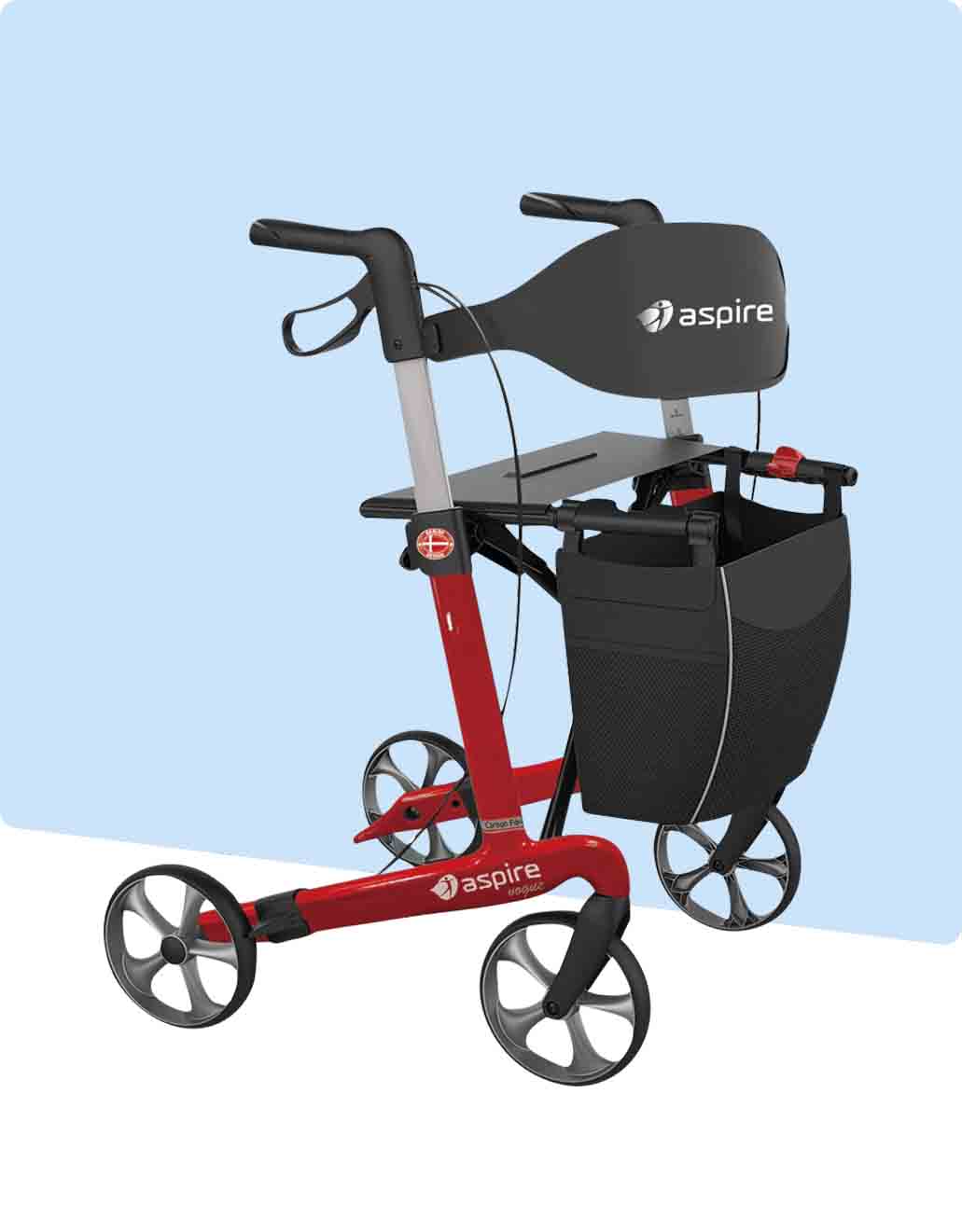
Click here to see Adaptive Equipment's full range of Walkers
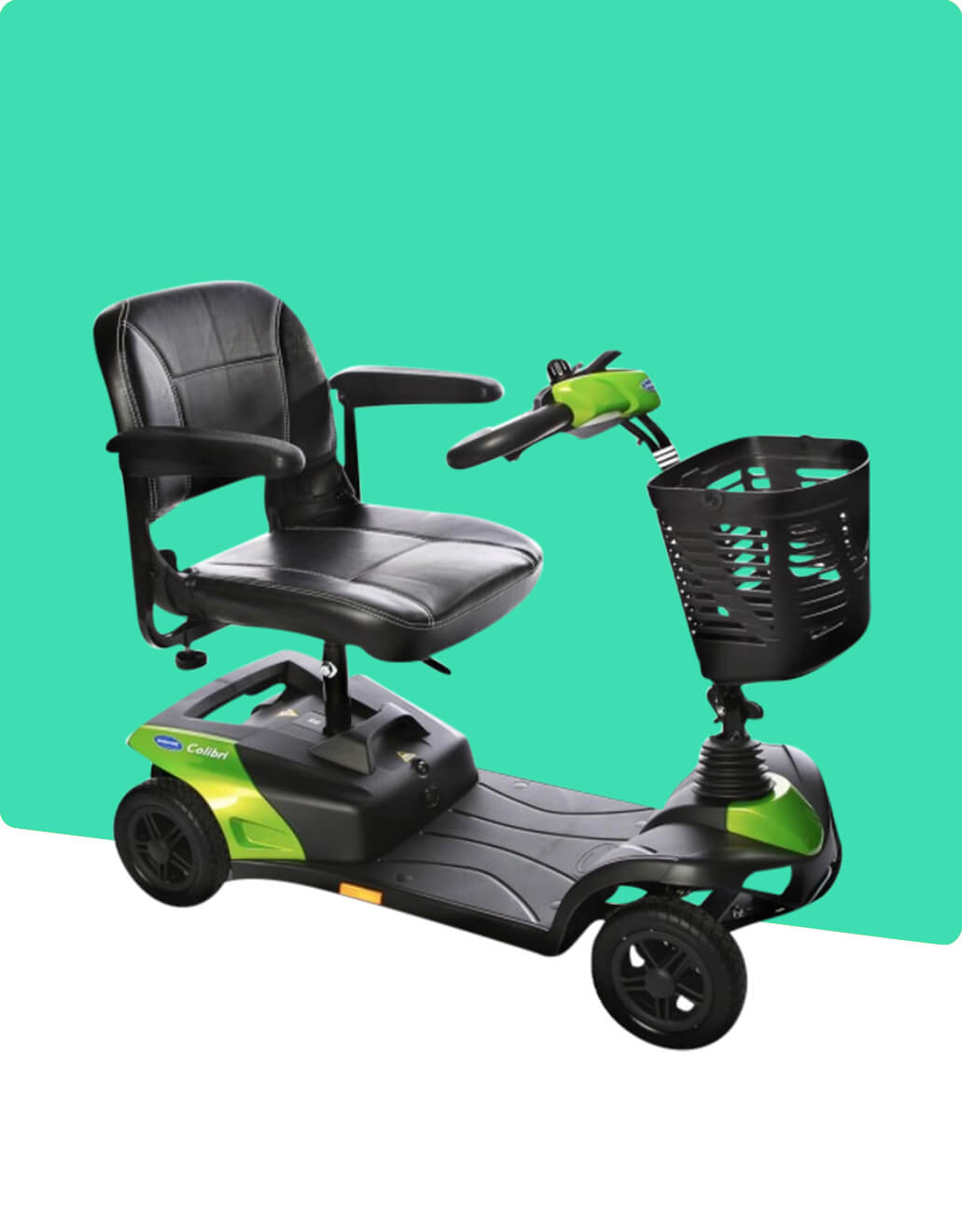
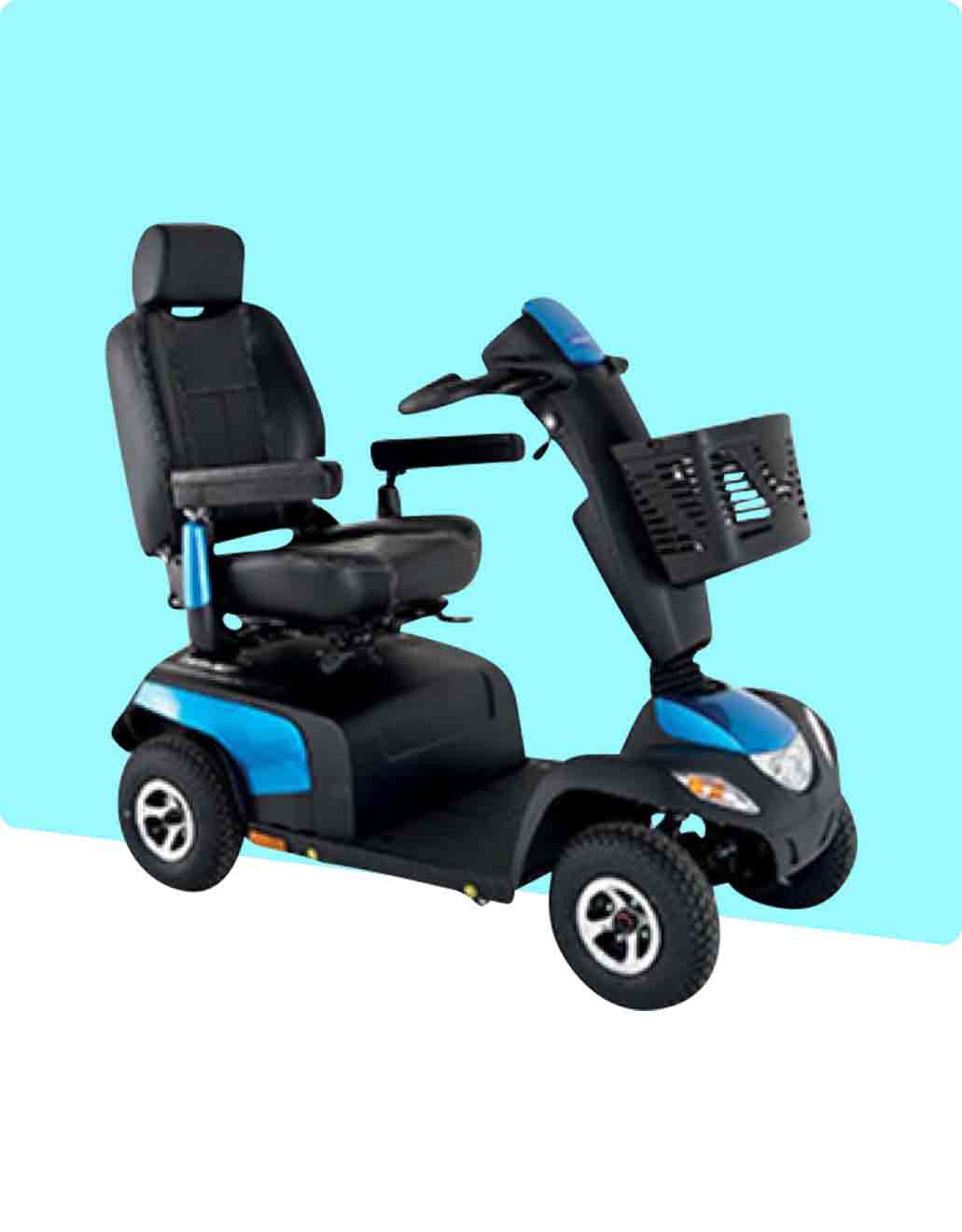
Click here to see Adaptive Equipment's full range of Mobility Scooters
Click here to see Adaptive Equipment's full range of Bathroom Aids
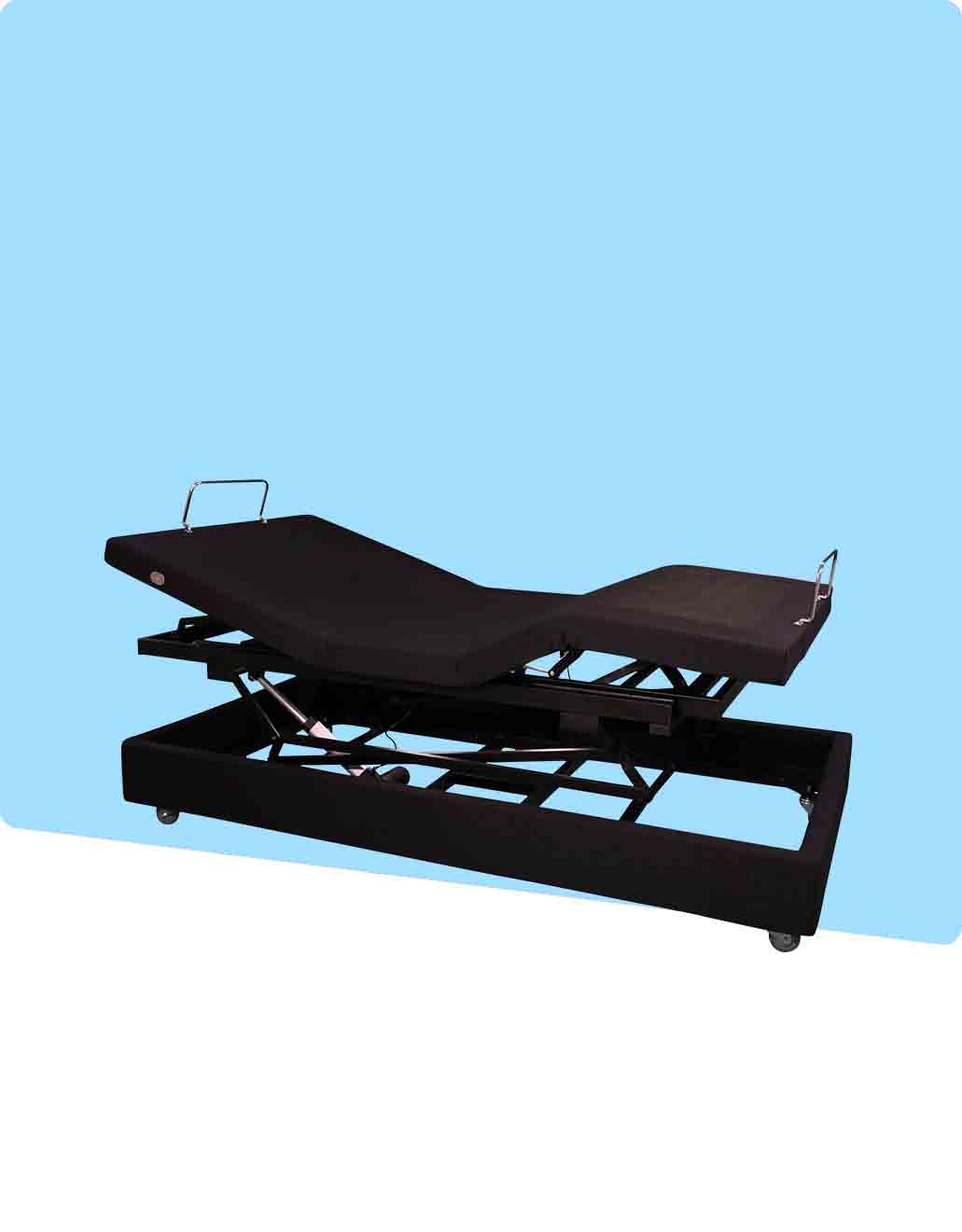
Click here to see Adaptive Equipment's full range of Bed Mobility Solutions
Disability Awareness and Inclusive Design
Australia’s disability landscape is also evolving, with greater awareness, stronger advocacy and improved access through programs like the NDIS. Mobility equipment is now expected to be:
- Adjustable and flexible
- Suitable for changing needs
- Easy to use without stigma
- Designed with real people in mind
Adaptive equipment is no longer 'one-size-fits-all'. It’s becoming personalised, responsive and empowering.
What Does 'Embracing Change' Really Mean?
Embracing change doesn’t mean rushing into new products or making drastic lifestyle shifts overnight. It means acknowledging needs early, planning ahead and choosing tools that support long-term wellbeing.
For many Australians, the biggest barrier is mindset.
Moving Past the “I Don’t Need It Yet” Mentality
It’s common to delay using mobility aids because of fear, pride or uncertainty. But waiting until a fall, injury or crisis occurs often limits options.
Choosing adaptive equipment early can:
- Reduce the risk of falls and hospitalisation
- Maintain confidence and routine
- Support mental wellbeing
- Ease pressure on carers and family members
Adaptive equipment works best when it’s chosen proactively, not reactively.
The future of mobility is about prevention, not correction.
Why Adaptive Equipment Matters More Than Ever in 2026
As healthcare systems become stretched and in-home care demand rises, Adaptive Equipment is filling an essential gap.
Supporting Independent Living at Home
One of the most searched phrases in Australia is 'how to stay independent at home as you age'. Adaptive Equipment provides practical answers to that question.
Common categories include:
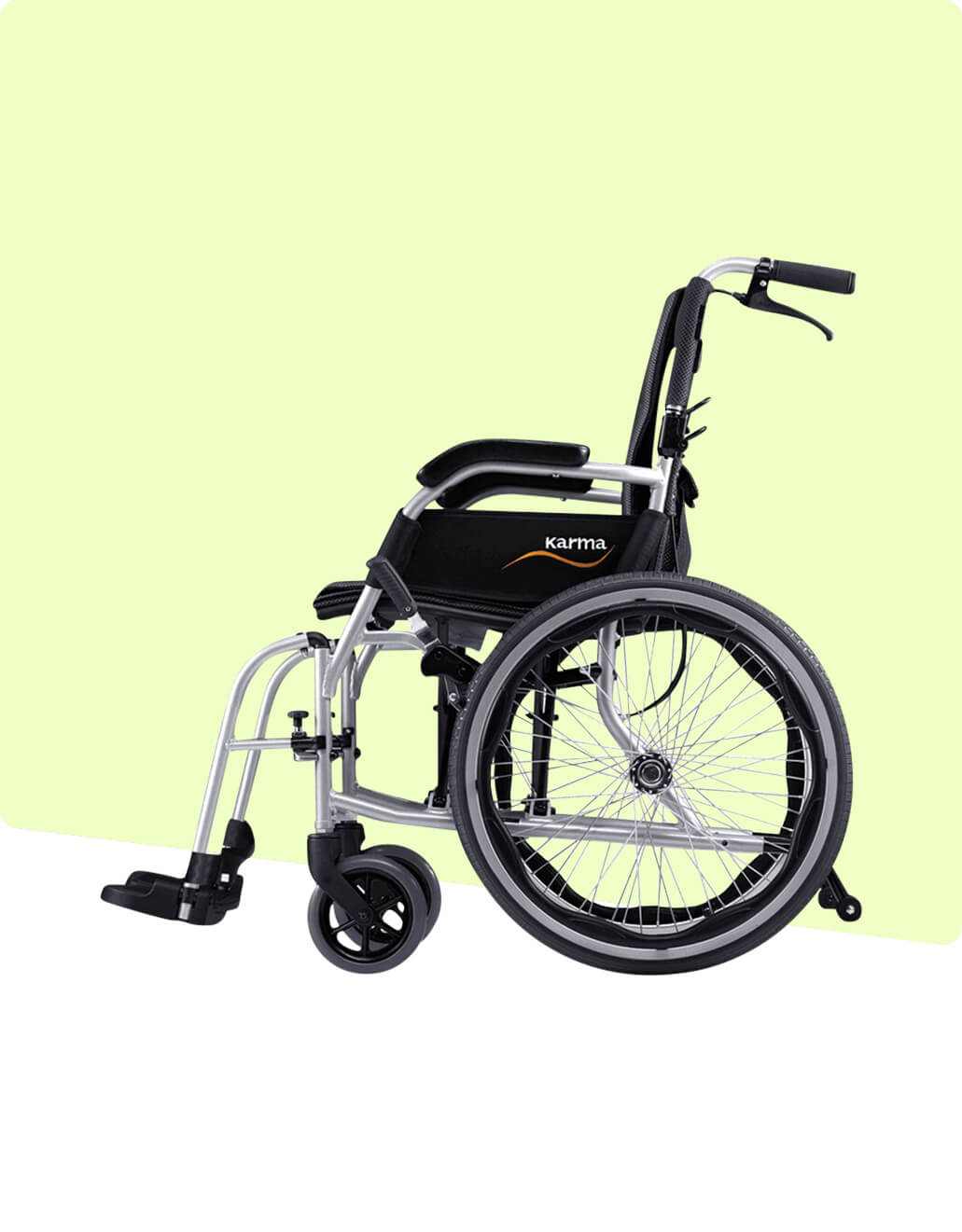
- Mobility walkers and rollators
- Indoor and outdoor mobility scooters
- Bathroom safety equipment
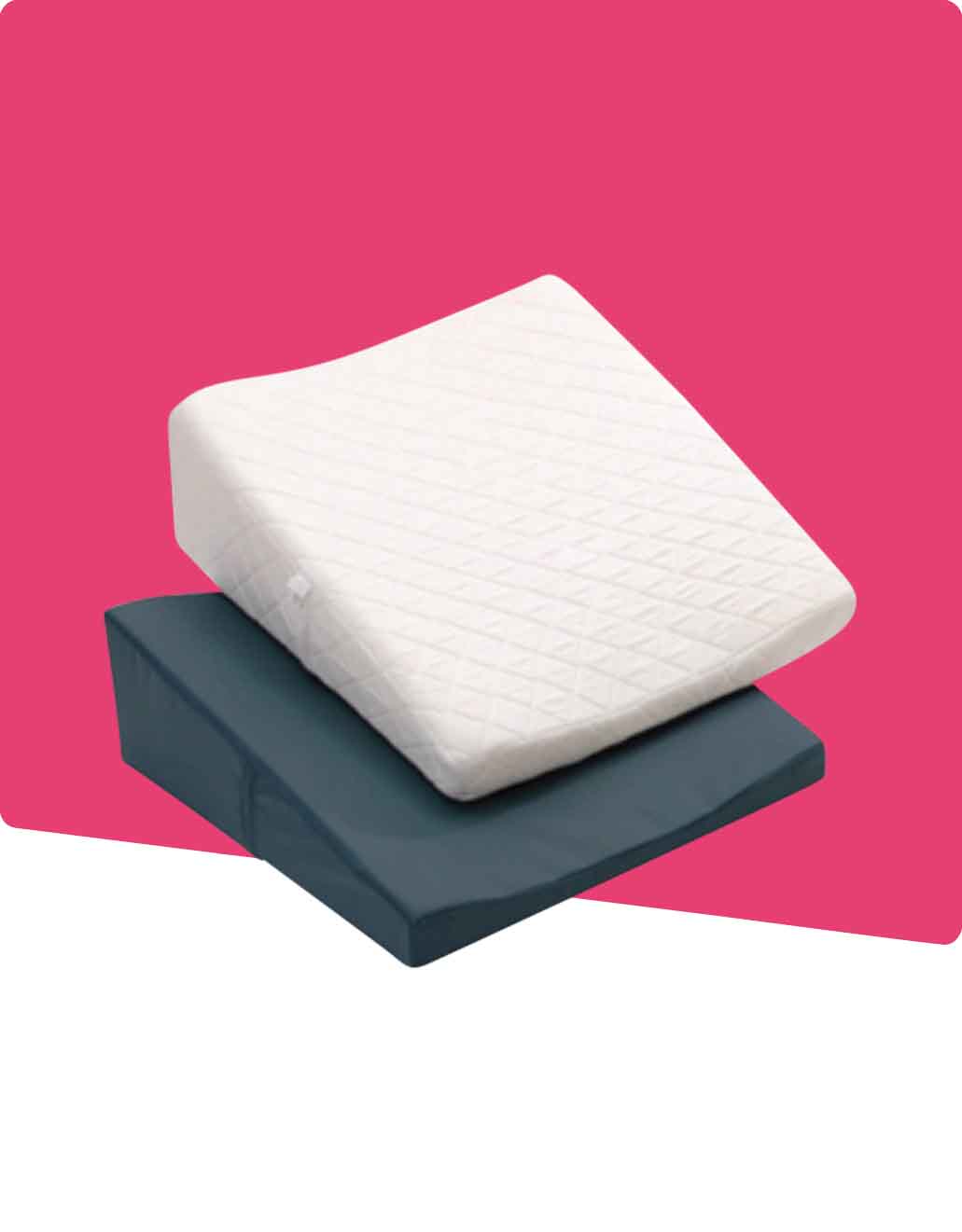
- Bed and transfer aids
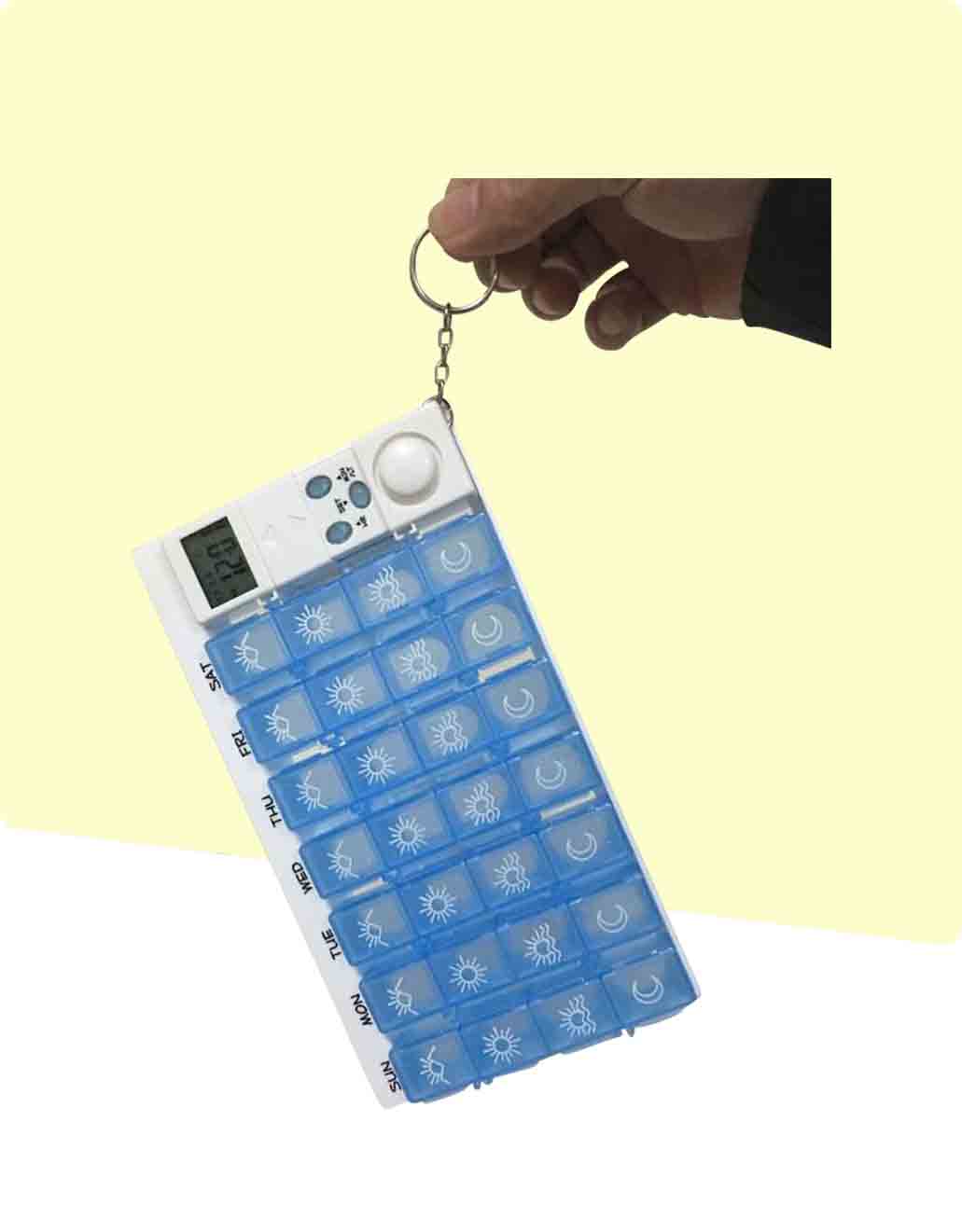
- Daily living aids for dressing, reaching and eating
These products are designed to support everyday moments - getting out of bed, making a cup of tea, showering safely or stepping outside for fresh air.
Reducing Falls and Preventable Injuries
Falls remain one of the leading causes of injury among older Australians. The right equipment can dramatically reduce risk by providing:
- Stability and balance support
- Non-slip surfaces
- Proper posture and weight distribution
- Confidence during movement
This is why fall prevention mobility aids are becoming a cornerstone of aged care and home safety planning.
The Evolution of Mobility Equipment Design
Gone are the days of bulky, uncomfortable and purely clinical mobility aids.
In 2026, adaptive equipment is smarter, lighter and more intuitive than ever before.
Comfort, Confidence and Choice
Modern mobility equipment focuses on:
- Ergonomic design
- Adjustable features
- Lightweight materials
- Discreet, modern aesthetics
This shift helps people feel comfortable using their equipment in public and at home - without embarrassment or hesitation.
Technology and Innovation in Mobility
While not all adaptive equipment needs to be 'high-tech', innovation is playing an increasing role. Features such as:
- Improved battery life in mobility scooters
- Foldable and transport-friendly designs
- Enhanced braking and stability systems
- Easy-grip handles and intuitive controls
These advancements make mobility equipment more accessible to a wider range of users, including those with limited strength or dexterity.
Mobility Equipment That Adapts as Life Changes
One of the most important considerations for 2026 and beyond is adaptability.
Needs change over time. The best equipment changes with you.
Equipment That Grows with the User
Adaptive equipment should support:
- Short-term recovery
- Long-term mobility support
- Progressive conditions
- Temporary or fluctuating needs
Examples include:
- Adjustable Walkers that can convert to Rollators
- Modular bathroom aids
- Scooters with upgradeable seating and controls
- Bed aids that support changing transfer needs
This flexibility reduces the need for frequent replacements and provides peace of mind.
The Role of Occupational Therapists and Carers
Occupational Therapists (OTs) and carers play a crucial role in helping Australians choose the right equipment.
Professional Guidance Makes a Difference
OTs assess:
- Home environments
- Functional abilities
- Safety risks
- Long-term goals
Their recommendations help ensure mobility equipment enhances independence rather than creating new challenges.
Adaptive Equipment works alongside these professionals by offering trusted, practical solutions that meet real-world needs.
Good equipment supports the person - great equipment supports their lifestyle.
Choosing the Right Mobility Equipment in Australia
With so many options available online, choosing mobility equipment can feel overwhelming. A human-first approach makes all the difference.
What to Look For When Buying Mobility Equipment Online
When searching for 'mobility equipment Australia', consider:
- Clear product descriptions
- Australian standards compliance
- Transparent sizing and weight limits
- Realistic use cases
- Support from knowledgeable suppliers
Adaptive Equipment focuses on clarity, guidance and honest information so customers can make informed decisions.
Commonly Searched Mobility Equipment Categories
High-intent, low-competition search areas include:
- Mobility equipment for home use Australia
- Walking aids for seniors Australia
- Bathroom safety equipment for elderly
- NDIS approved mobility equipment
- Indoor mobility solutions for small spaces
- Lightweight mobility scooters Australia
These searches reflect real needs - and real people looking for reassurance, not sales pressure.
Bathroom Safety: A Cornerstone of Independence
Bathrooms are one of the most common places for accidents at home, yet also one of the easiest areas to adapt.
Simple Changes That Make a Big Impact
Bathroom adaptive equipment can include:
- Grab rails and support bars
- Shower chairs and stools
- Non-slip mats
- Raised toilet seats
- Toilet surround frames
These products support safe transfers, reduce strain and restore confidence during personal care routines.
Click here to see Adaptive Equipment's full range of Bathroom Aids
Mobility Scooters and Outdoor Freedom
For many Australians, mobility scooters represent freedom.
They enable:
- Social connection
- Community engagement
- Independence outside the home
- Confidence in navigating longer distances
Modern mobility scooters are designed for both urban and suburban Australian environments, offering stability, comfort and reliability.
Click here to see Adaptive Equipment's full range of Mobility Scooters
Supporting Carers Through Smart Equipment Choices
Adaptive equipment doesn’t just support the user - it supports carers too.
By reducing physical strain and simplifying daily tasks, the right equipment:
- Minimises injury risk for carers
- Improves care efficiency
- Reduces emotional stress
- Encourages shared independence
This is particularly important as informal caregiving continues to rise across Australia.
Preparing for the Future: Planning Ahead with Confidence
Embracing change means planning ahead - even if equipment isn’t needed right now.
Proactive Planning for Peace of Mind
Thinking about future needs allows individuals and families to:
- Make thoughtful, unrushed decisions
- Budget appropriately
- Modify homes gradually
- Avoid crisis-driven choices
Adaptive Equipment encourages Australians to see mobility aids as tools for living well, not signs of decline.
A Human-First Approach to Adaptive Living
At the heart of Adaptive Equipment is a simple idea: people come first.
This means:
- Listening to lived experience
- Designing for dignity
- Offering clear guidance
- Supporting independence without judgement
Independence looks different for everyone - and that’s okay.
Embracing 2026 and Beyond with Confidence
The future of mobility in Australia is not about limitation. It’s about possibility.
As we move into 2026 and beyond, Adaptive Equipment will continue to play a vital role in helping Australians live safely, confidently and independently - at home and in the community.
Change is inevitable. How we respond to it is a choice.
With the right equipment, the right support and the right mindset, embracing change can be one of the most empowering decisions a person makes.

Final Thought
If there’s one message to take forward, it’s this:
Adaptive equipment isn’t about what you can’t do - it’s about everything you still can.
And that future? It’s one worth embracing.


