
















NDIS-Approved Mobility Equipment: A Guide for Australians with Disability
by Deborah Batchelor on Jan 20, 2026
NDIS-Approved Mobility Equipment: Your Complete Guide to NDIS-Compliant Mobility Aids in Australia
Finding the right NDIS-approved mobility equipment can make a profound difference to the daily lives of Australians living with disability. From wheelchairs and walkers to mobility scooters and transfer aids, the right equipment supports independence, safety and meaningful participation in the community.
Many Australians search online for NDIS-compliant mobility equipment, NDIS mobility aids or mobility equipment funded by the NDIS, often unsure what is eligible, how funding works, or where to find reliable suppliers.
This comprehensive guide explains everything you need to know about NDIS-approved mobility equipment, including funding criteria, equipment types, and how Adaptive Equipment helps NDIS participants access high-quality mobility solutions that meet funding requirements and enhance quality of life.
What Is NDIS-Approved Mobility Equipment?
The term NDIS-approved mobility equipment refers to mobility aids that meet the NDIS 'reasonable and necessary' criteria and are commonly funded through an NDIS plan.
NDIS-approved mobility equipment plays a vital role in supporting Australians with disability to live more independently, safely and comfortably. Through the National Disability Insurance Scheme ( NDIS), eligible participants can access funding for mobility aids that help with everyday movement at home and in the community. These supports are designed to improve functional capacity, reduce the risk of injury and enable greater participation in work, social and recreational activities. Understanding what equipment is available and how it aligns with NDIS goals is an important first step for participants and carers.
While the NDIS does not publish an official list of approved products, mobility equipment is considered NDIS compliant if it:
- Is directly related to the participant’s disability
- Supports independence, safety or community access
- Aligns with the participant’s NDIS goals
- Represents value for money
- Is supported by professional assessment when required
Adaptive Equipment supplies mobility products that are widely recognised as suitable for NDIS funding and commonly recommended by allied health professionals.
👉 Explore Adaptive Equipment’s NDIS-friendly mobility range and find products designed to meet funding criteria and real-world needs.
Why Mobility Equipment Is Essential for NDIS Participants
Mobility limitations can affect almost every aspect of daily life - from moving safely around the home to participating in work, education and social activities.
Mobility equipment approved under the NDIS can include items such as wheelchairs, walkers, rollators, mobility scooters, transfer aids and postural supports. To be funded, the equipment must be considered 'reasonable and necessary', meaning it relates directly to the participant’s disability and supports their individual goals. Assessments from allied health professionals, such as occupational therapists or physiotherapists, are often required to ensure the right product is selected. This process helps match the equipment to the user’s physical needs, lifestyle and environment.
NDIS mobility equipment helps participants to:
- Increase independence and confidence
- Reduce fall and injury risk
- Improve physical comfort and posture
- Reduce reliance on carers
- Access the community safely
When chosen correctly, mobility aids don’t just support movement - they support freedom, dignity and long-term wellbeing.
Types of NDIS-Approved Mobility Equipment
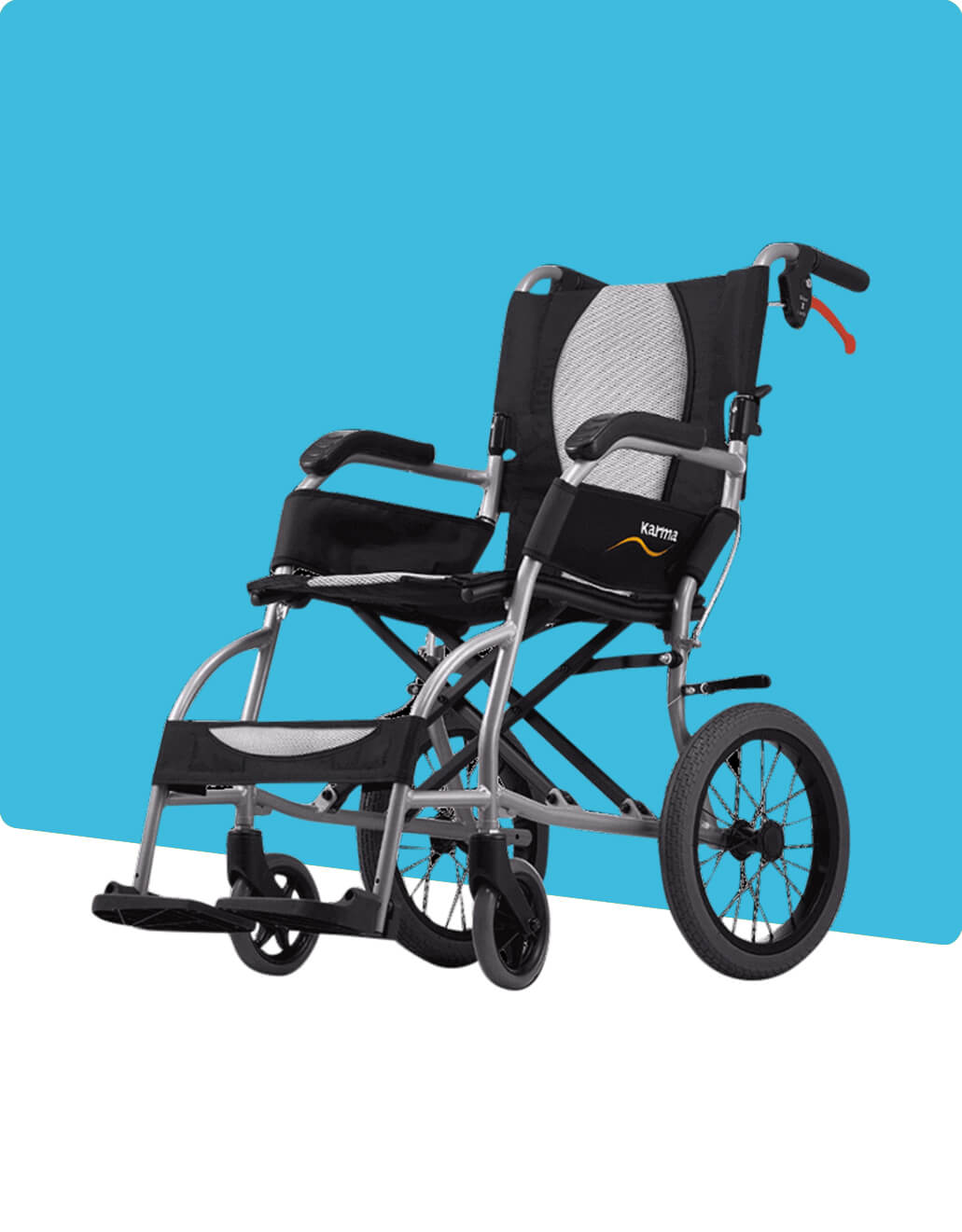
1. NDIS Wheelchairs (Manual and Powered)
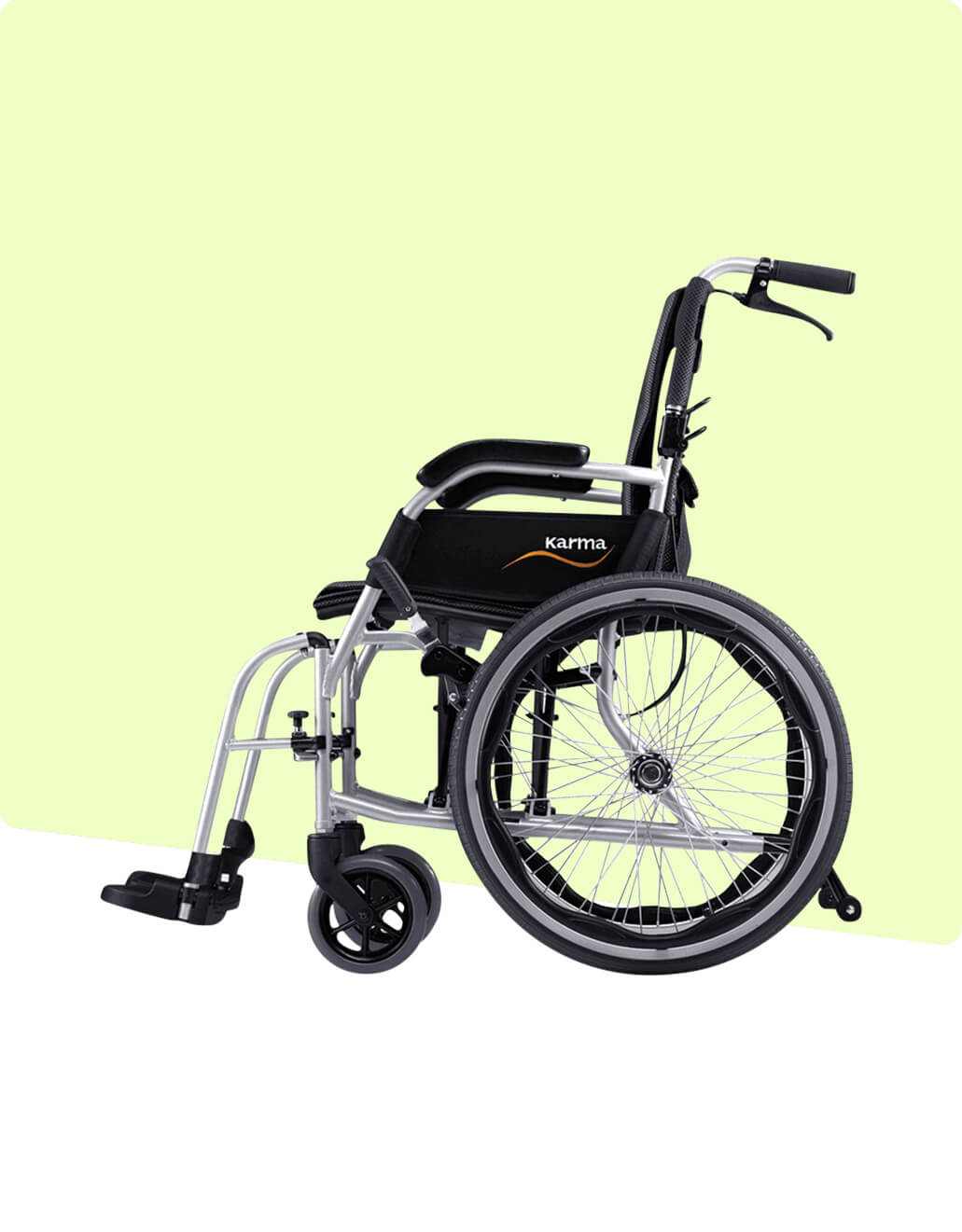
Wheelchairs are among the most commonly funded NDIS mobility aids.
Manual Wheelchairs are suitable for participants with sufficient upper-body strength or carer support, while Powered Wheelchairs support individuals who require greater independence, endurance or postural control.
NDIS-funded wheelchairs may include:
- Adjustable seating systems
- Pressure-relief support
- Indoor and outdoor capability
- Custom controls
Adaptive Equipment offers wheelchair options that align with clinical recommendations and NDIS assistive technology guidelines.
👉 Talk to Adaptive Equipment about NDIS-funded wheelchairs tailored to your functional needs and goals.
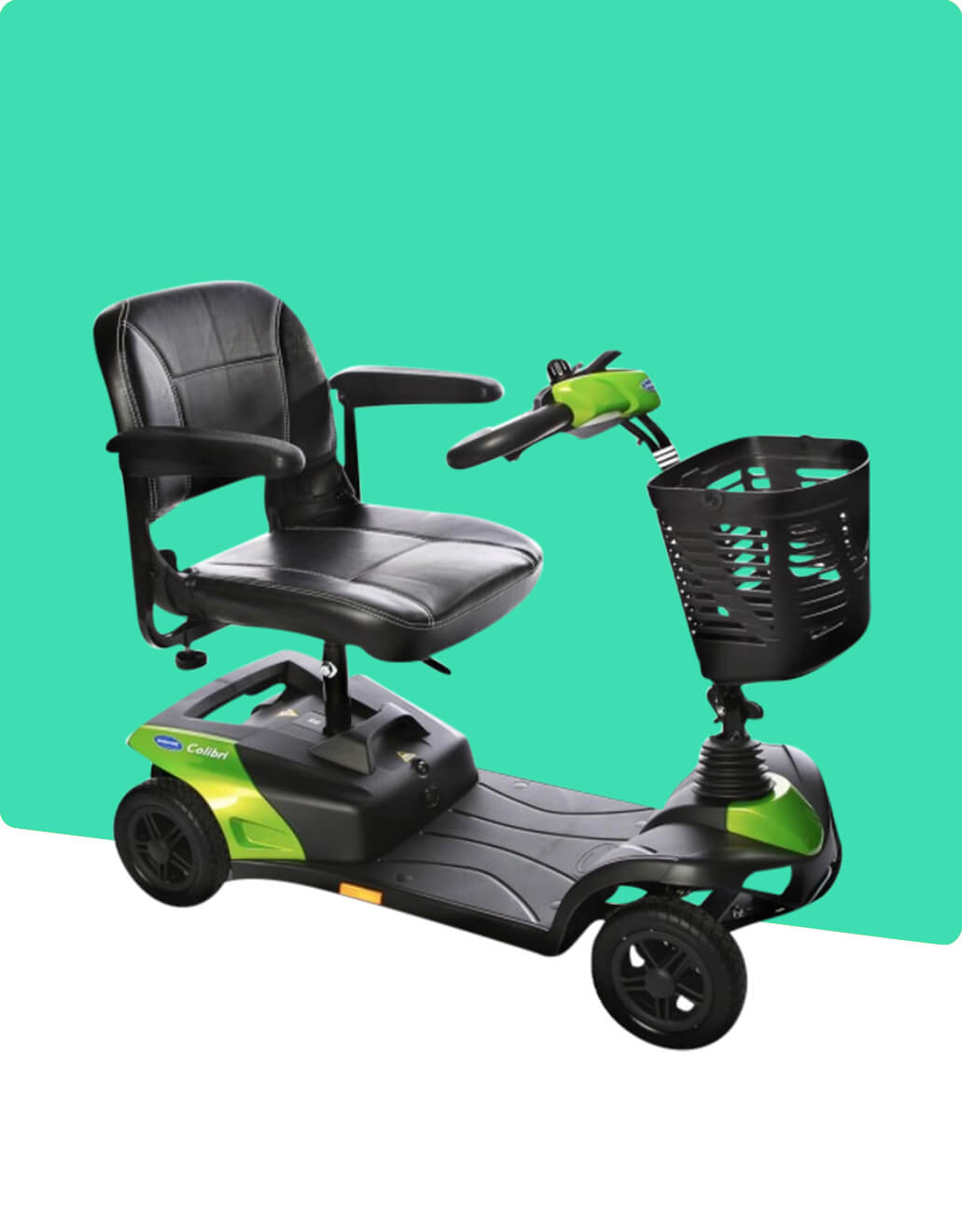
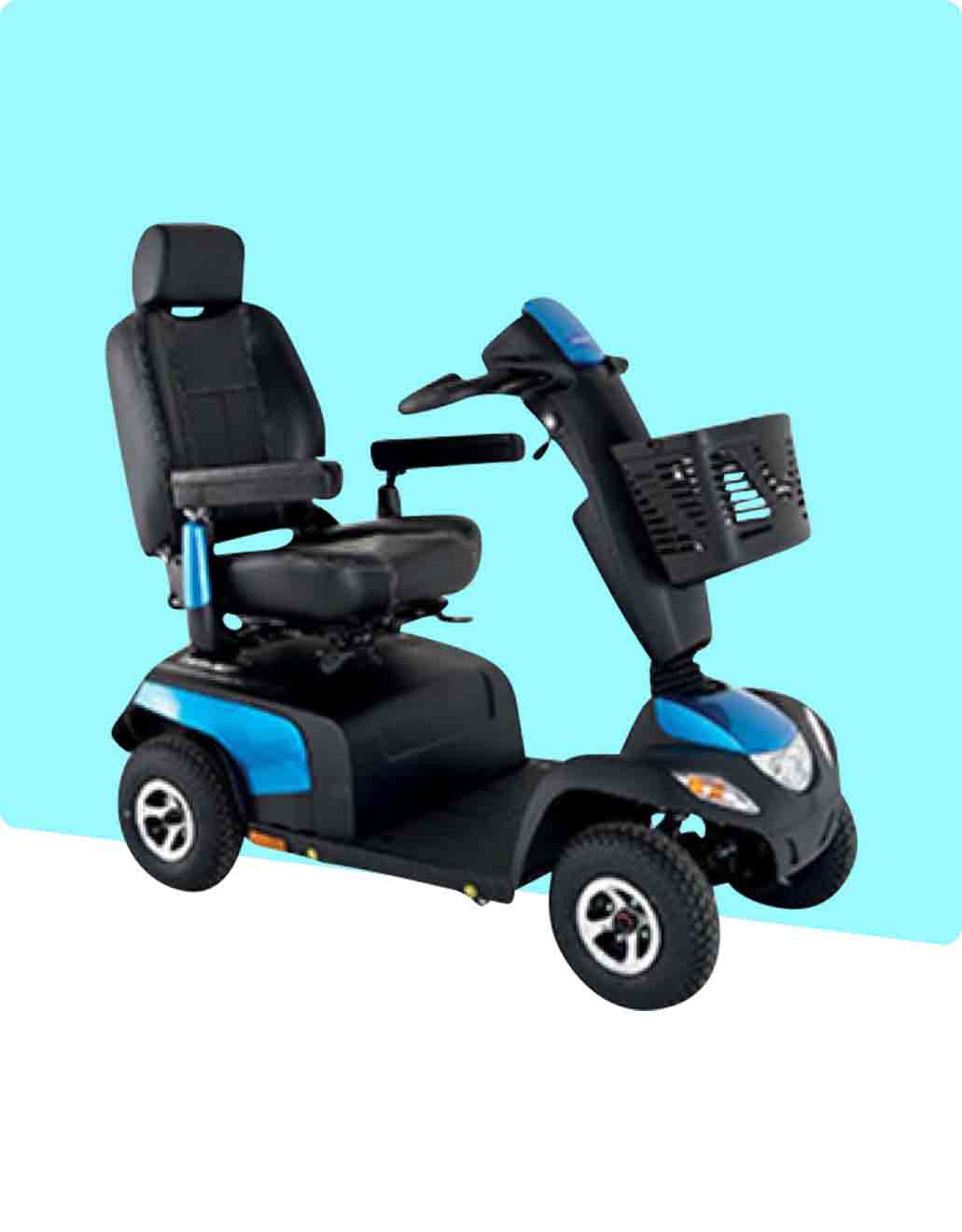
2. NDIS Mobility Scooters
NDIS mobility scooters are ideal for participants who can walk short distances but need support for longer outings or community access.
Features may include:
- Three or four-wheel designs
- Long-lasting batteries
- Adjustable seating
- Safety lights and indicators
Mobility scooters are often funded when they support social participation, independence and community engagement.
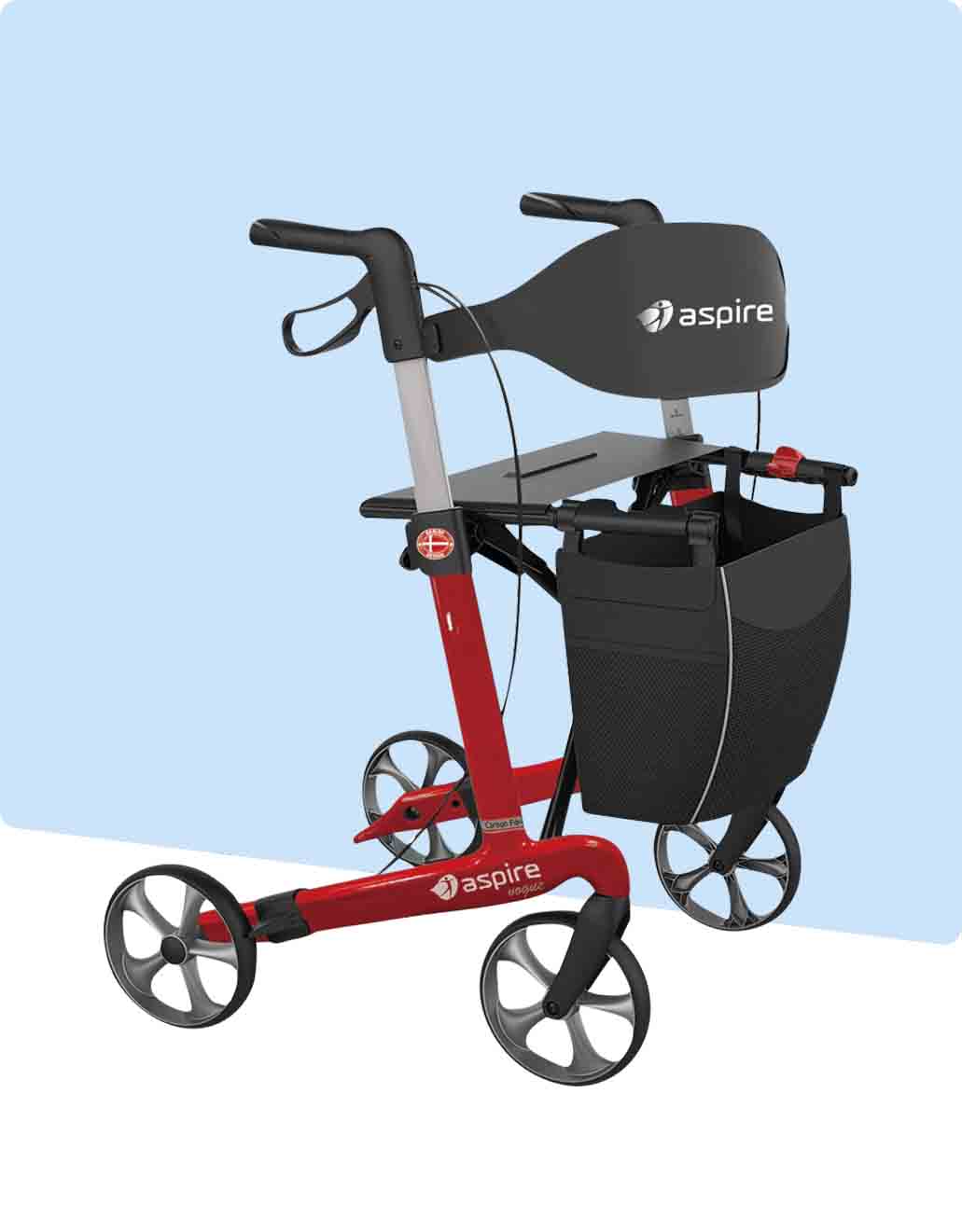
3. Walkers and Rollators Funded by the NDIS
Walkers and Rollators provide balance support and stability for participants with reduced mobility.
Common features include:
- Height-adjustable frames
- Wheels and braking systems
- Built-in seating
- Lightweight, foldable designs
These NDIS-approved walking aids are frequently funded when they reduce fall risk and support safe daily movement.
4. Canes and Crutches (NDIS Mobility Aids)
Specialised Canes and Crutches may be funded under the NDIS when they are disability-specific and not better funded through another system.
Adaptive Equipment offers ergonomic designs that support comfort, posture and long-term use.
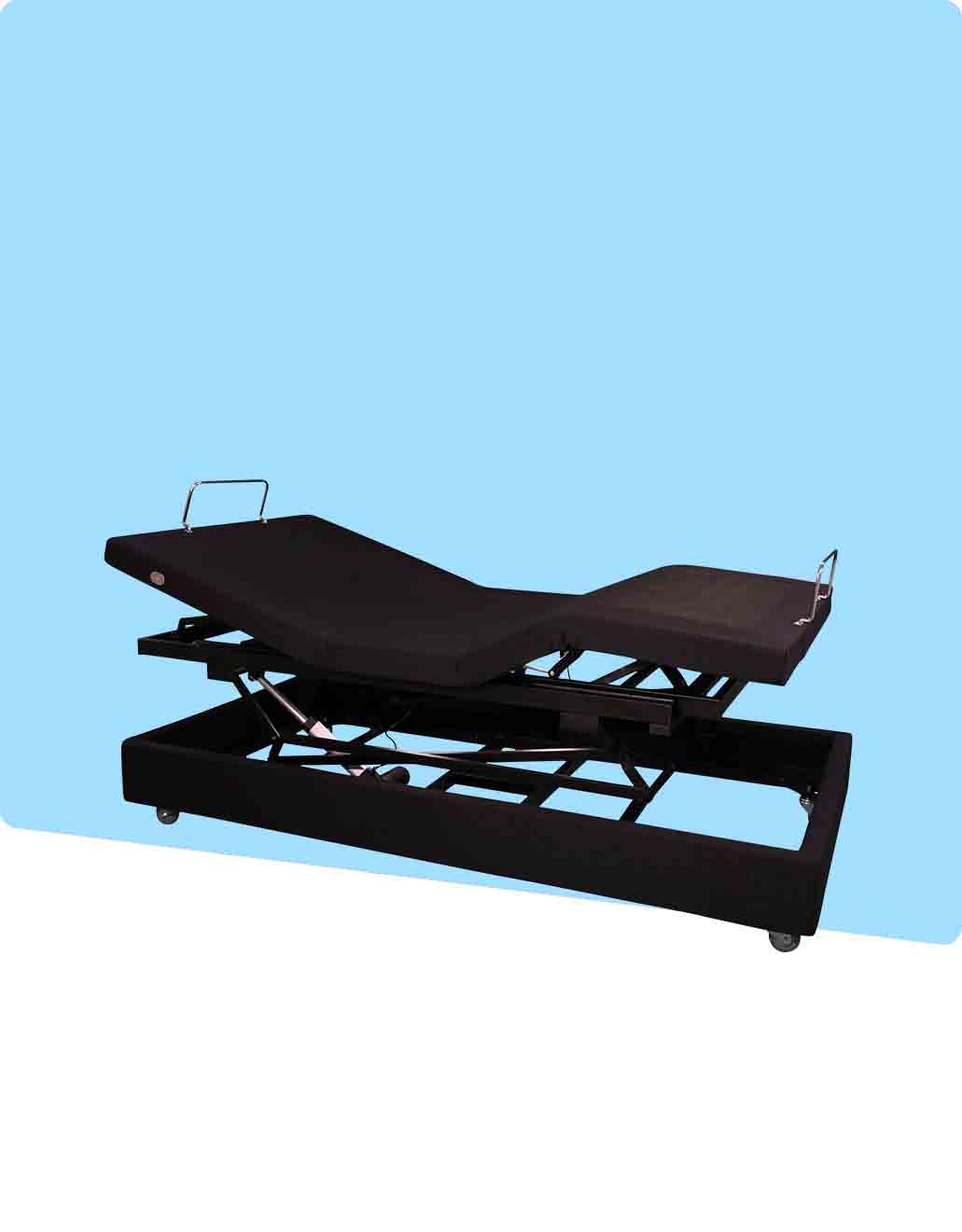
5. Transfer and Positioning Equipment
Mobility also includes the ability to transfer safely.
NDIS-funded transfer equipment may include:
- Transfer boards
- Standing aids
- Hoists and lifters
- Slide sheets
These aids protect both participants and carers by improving safety and reducing physical strain.
How Mobility Equipment Is Funded Under the NDIS
Mobility equipment is typically funded under Assistive Technology (AT supports in an NDIS plan.
Adaptive Equipment offers a wide range of mobility products designed to meet NDIS requirements while prioritising comfort, durability and ease of use. Their product range supports people with varying levels of mobility, from those needing light assistance to individuals requiring more complex support solutions. By focusing on practical design and user-centred features, Adaptive Equipment helps participants maintain independence while navigating daily tasks more confidently. Many products are also customisable, ensuring a better fit and long-term usability.
NDIS Assistive Technology Categories
- Low-cost AT: Simple mobility aids with minimal assessment
- Mid-cost AT: Equipment such as walkers and standard wheelchairs
- High-cost AT: Powered wheelchairs and complex mobility systems
Most mid- and high-cost mobility equipment requires assessment and justification from an allied health professional.
Adaptive Equipment works alongside participants, therapists and support coordinators to ensure equipment recommendations align with NDIS funding requirements.
👉 Get support choosing NDIS-compliant mobility equipment that fits your plan and budget.
Allied Health Assessments and NDIS Compliance
Occupational Therapists and Physiotherapists play a key role in recommending NDIS mobility equipment.
Their assessments:
- Identify functional limitations
- Match equipment to daily environments
- Provide funding justification
- Ensure long-term safety and comfort
Adaptive Equipment supports this process by supplying detailed product information and NDIS-ready options.
Why Choose Adaptive Equipment for NDIS Mobility Aids?
NDIS-Focused Product Selection
Adaptive Equipment specialises in products designed to support people with disability and meet NDIS funding expectations. Each product is selected with functionality, safety and quality of life in mind.
Choosing the right mobility equipment is not just about movement - it’s about improving quality of life. With the right NDIS-approved solutions from providers like Adaptive Equipment, individuals can experience greater freedom, safety and confidence in their daily routines. Participants, families and support coordinators are encouraged to explore available options carefully and seek professional advice when needed. With informed choices, mobility equipment can become a powerful tool for achieving personal goals and greater independence under the NDIS.
Support with NDIS Funding Criteria
Adaptive Equipment helps participants by:
- Offering products commonly approved under NDIS plans
- Providing clear specifications for funding applications
- Supporting therapists and support coordinators
- Reducing delays and complications
Enhancing Independence and Quality of Life
Adaptive Equipment believes mobility is about more than movement - it’s about participation, confidence and choice.
Their mobility equipment supports:
- Independent living
- Safer daily routines
- Increased community access
- Greater comfort and dignity
👉 Browse Adaptive Equipment’s NDIS-approved mobility equipment today and take the next step toward greater independence.
Frequently Asked Questions About NDIS Mobility Equipment
Is mobility equipment always funded by the NDIS?
Only if it meets the 'reasonable and necessary' criteria and relates directly to the participant’s disability.
Can I choose Adaptive Equipment as my supplier?
Yes. NDIS participants have choice and control over their equipment suppliers.
Does plan type affect purchasing?
Adaptive Equipment works with self-managed, plan-managed, and NDIA-managed participants.
Tips for Getting Mobility Equipment Approved Under the NDIS
- Clearly link equipment to your NDIS goals
- Obtain allied health assessments
- Choose NDIS-experienced suppliers
- Plan for future needs
- Keep documentation organised
Final Thoughts: Supporting Mobility, Independence and Choice
Access to NDIS-approved mobility equipment empowers Australians with disability to live safer, more independent and more fulfilling lives. While navigating funding can be complex, the right supplier makes the process easier.
Adaptive Equipment supports NDIS participants with mobility solutions that meet funding criteria and genuinely improve everyday life.


